
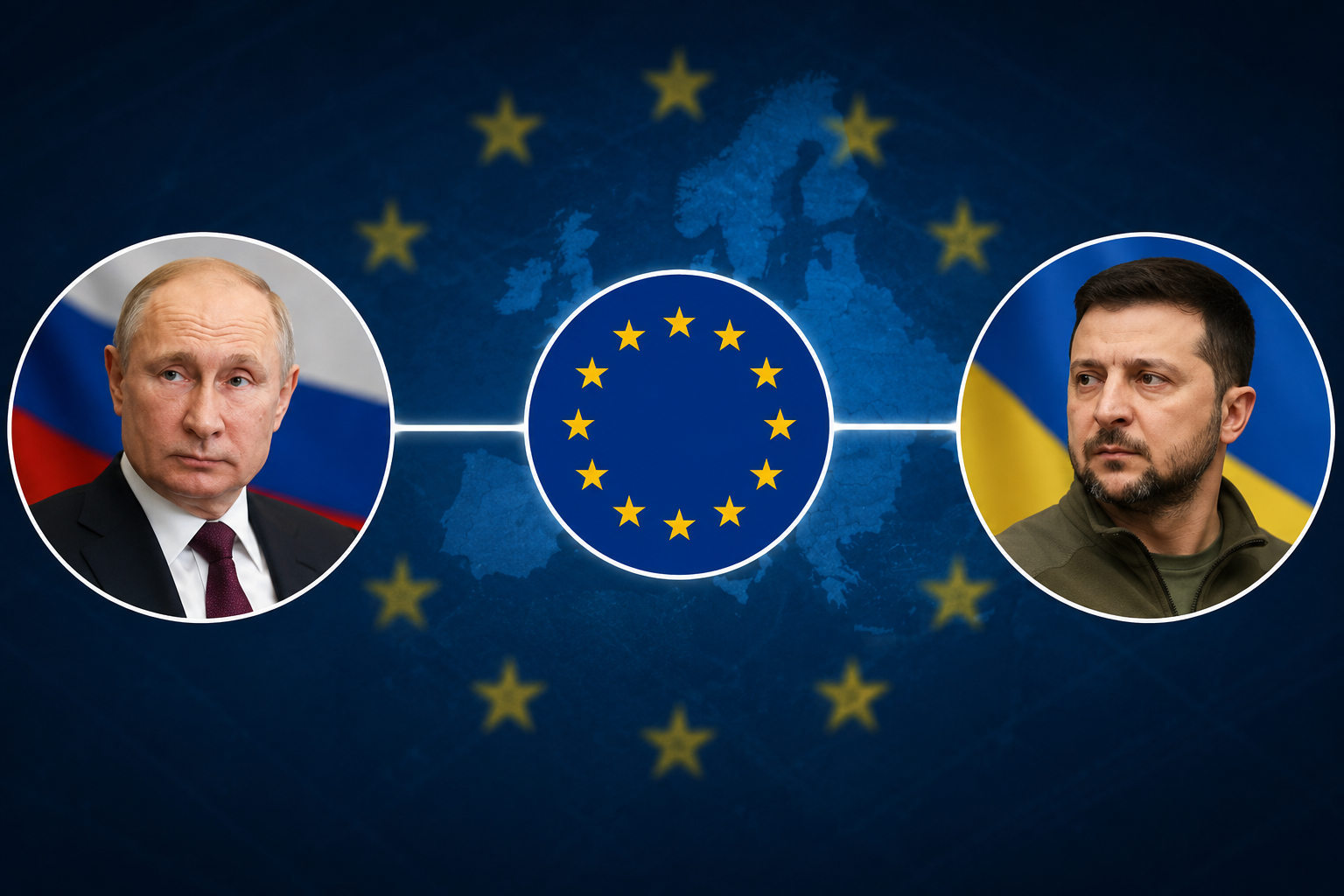
Several European Union countries are increasing pressure on the EU to find ways to use frozen Russian assets to help fund Ukraine. The assets were frozen after Russia launched its full-scale invasion of Ukraine. European countries now hold a large amount of Russian money and are debating whether it can be used more directly to support Ukraine.
Countries including Sweden, the Netherlands, Spain and Poland are reportedly calling on the European Commission to restart discussions on the issue. They believe the frozen assets could provide important financial support for Ukraine, especially as the country continues to face the huge costs of war, defence and reconstruction.
More than €200 billion in Russian central bank assets is believed to be frozen in Europe. However, directly taking and using this money remains a difficult legal issue. Some European governments are concerned that confiscating the assets could break international laws or create problems for Europe's financial system.
Belgium has been particularly cautious because a large part of the frozen Russian assets is held there. Belgian officials have raised concerns about possible legal action and the risk of Russian retaliation. There are also worries that taking another country's central bank assets could make other countries less willing to keep their money in European financial institutions.
For now, the EU has mainly focused on using the profits and interest generated by the frozen Russian assets instead of taking the original money. These profits have already been used to support Ukraine. The EU has received billions of euros in windfall profits from the frozen assets, with some of the money directed toward Ukraine's military and other needs.
Supporters of the new proposal argue that Ukraine needs long-term and reliable funding. They say Russian assets should help pay for the damage caused by the war and reduce the financial burden on European taxpayers.
However, opponents say the EU must be careful. They warn that directly seizing the assets could lead to long legal battles and damage confidence in Europe's financial markets.
The debate is expected to continue as Ukraine needs more money for its defence and future rebuilding. EU countries supporting the proposal hope the bloc can find a legal and safe way to make greater use of Russia's frozen assets.
Summary
Several European Union countries are calling for frozen Russian assets to be used to provide more financial support for Ukraine. The move could help Ukraine fund its defence and rebuilding, but legal and financial concerns remain.
Content
×
![]()