
Spanish Prime Minister Pedro Sanchez has accused Russia and Israel of spreading and amplifying disinformation during a major migration crisis in Ceuta, a small Spanish territory in North Africa.
Sanchez made the comments on Monday, August 31, during an interview with Spanish radio station Cadena SER. He said false information spread widely on social media after July 30 and 31, when tens of thousands of migrants crossed from neighbouring Morocco into Ceuta.
According to Sanchez, research by the European External Action Service (EEAS) found links between the spread and amplification of some disinformation and networks connected to Russia and Israel. He also blamed an international far-right movement for using the migration crisis to attack Spain and other European countries.
Sanchez said these groups were using migration as a political issue to create divisions inside Spain and across Europe.
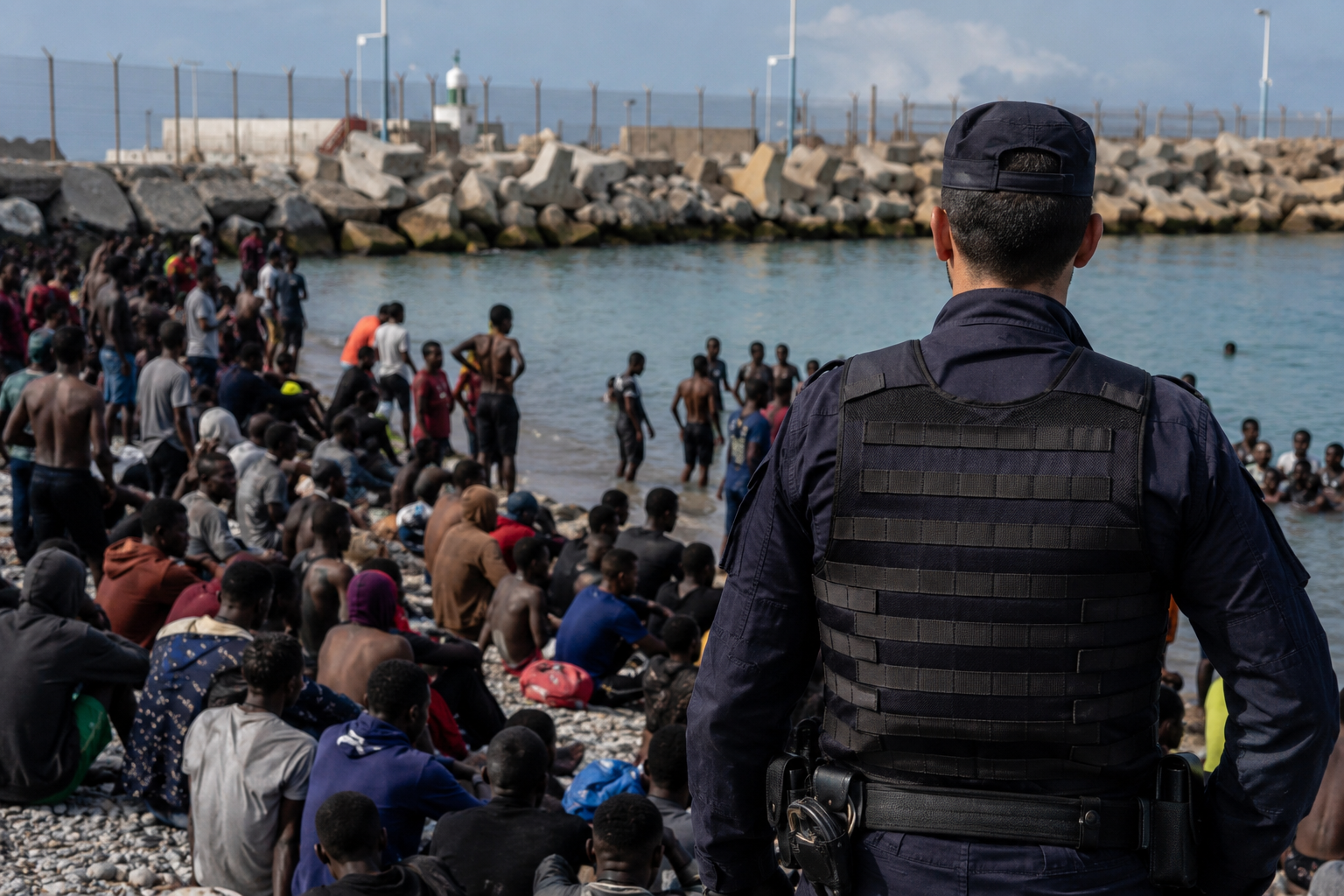
The migration crisis began in late July when a huge number of people attempted to enter Ceuta from Morocco. Spanish officials say at least 70,000 people crossed into the territory over several days. Most of them returned to Morocco within hours, but thousands remained in Ceuta.
The sudden movement of people created major pressure on local authorities. Ceuta is extremely small, covering only about 18 square kilometres, and has a population of around 80,000 people. The arrival of such a large number of migrants created concerns about accommodation, security, public services and sanitation.
Sanchez also said that false information played an important role in encouraging people to make the journey.
One rumour circulating online claimed that migrants who reached Ceuta by swimming could not be deported to Morocco. Sanchez said this information was false.
He also said that human trafficking groups were involved in spreading some of the misleading information online. Spanish authorities are continuing to investigate exactly how the rumours started and how they spread so quickly.
The Spanish prime minister also rejected claims that Moroccan authorities were responsible for deliberately encouraging the mass movement of migrants.
Sanchez said that no intelligence service cooperating with the Spanish government had provided evidence showing that Moroccan authorities were involved in the crisis.
Instead, he stressed that Spain needed to work closely with Morocco to manage migration and prevent another crisis.
“We must be aware that this crisis can only be resolved through cooperation and not through distrust towards Morocco,” Sanchez said.
The Spanish government has also announced additional financial support for Ceuta. Sanchez promised €168 million, or about $195 million, to help the territory respond to the consequences of the migrant influx.
The situation has also caused political tension inside Ceuta. Local residents have organised demonstrations, saying the large number of migrants has created problems involving security, cleanliness and living conditions.
The number of migrants who remain in Ceuta is disputed. The Spanish government estimates that between 3,500 and 7,000 migrants are still in the territory, including unaccompanied children. However, right-wing politicians in Ceuta claim the number could be 10,000 or more.
The crisis has attracted wider European attention because migration remains a major political issue across the continent. Sanchez has called for greater European solidarity and cooperation to help countries facing sudden increases in migrant arrivals.
Meanwhile, concerns are growing over the possibility of another surge. Spanish authorities say new anonymous messages and false claims have appeared on social media suggesting that the Ceuta border could open again.
Officials are monitoring these messages closely as they try to prevent misinformation from triggering another large movement of people.
Sanchez's accusations against Russia and Israel are likely to add another political dimension to the crisis, particularly because Spain has had disagreements with both countries over major international issues, including the war in Ukraine and conflicts in the Middle East.
The Spanish government says it will continue investigating the online disinformation campaign while working with Morocco and European partners to manage the migration situation.
Summary
Spanish Prime Minister Pedro Sanchez has accused Russia and Israel of spreading and amplifying false information during a major migrant crisis in Ceuta. Sanchez said online rumours helped encourage thousands of migrants to enter the Spanish territory from Morocco. He cited research by the European External Action Service (EEAS), the EU’s foreign policy service. Spain says thousands of migrants are still in Ceuta, while the government plans to provide €168 million in additional support to deal with the crisis.
Content


×
![]()