
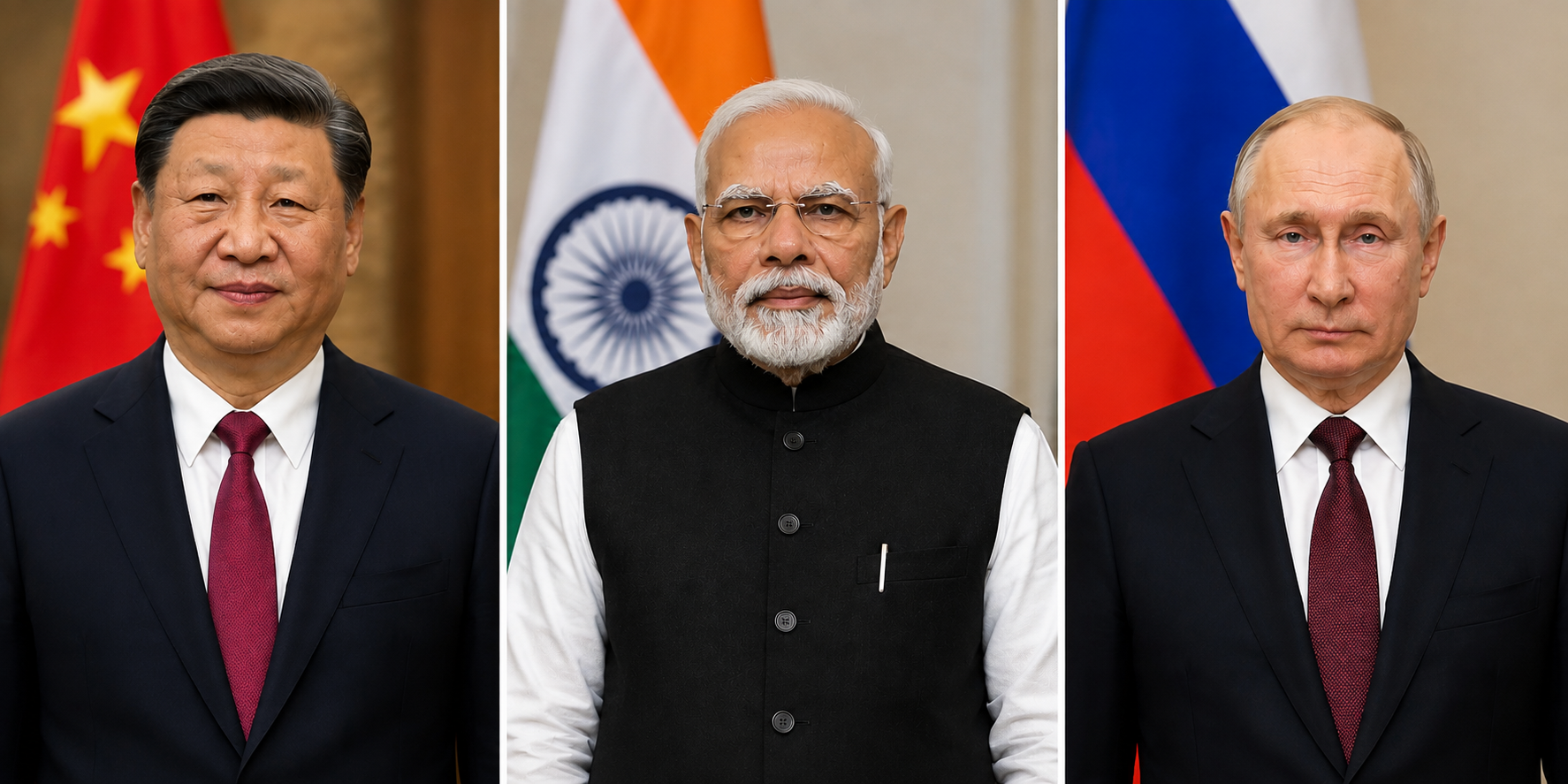
The leaders of China, India and Russia are meeting in Bishkek, Kyrgyzstan, for a major summit of the Shanghai Cooperation Organisation (SCO). Chinese President Xi Jinping, Russian President Vladimir Putin and Indian Prime Minister Narendra Modi are among the most important leaders attending the two-day meeting.
Iranian President Masoud Pezeshkian is also attending, along with leaders from Pakistan, Uzbekistan, Belarus, Kazakhstan and other SCO members. Turkish President Recep Tayyip Erdogan, UN Secretary-General Antonio Guterres and the ASEAN secretary-general are also expected to take part in the wider discussions.
The summit comes at a time of major international tensions. The ongoing US-Israel war on Iran has affected energy markets and global trade, while the Russia-Ukraine war continues in Europe. The situation in Afghanistan, tensions between India and Pakistan, and changing relations between India and China are also important issues.
The Shanghai Cooperation Organisation began in 1996 as the “Shanghai Five”, created mainly to solve border and security problems between China, Russia and Central Asian countries. It officially became the SCO in 2001 and later expanded. India and Pakistan joined in 2017, while Iran became a full member in 2023 and Belarus joined in 2024.
Today, SCO countries represent about 43 percent of the world's population and nearly 23 percent of the global economy. The organisation now focuses not only on security but also on trade, transportation, investment and economic cooperation.
The conflict involving Iran is expected to be one of the major topics at the summit. The war has disrupted important shipping routes, especially around the Strait of Hormuz and the Red Sea. SCO countries are expected to discuss ways to improve trade routes and reduce the impact of disruptions to global shipping and energy supplies.
The organisation has previously criticised the use of force and called for disputes to be solved through diplomacy and international law. Iran's President Pezeshkian is also expected to meet Putin during the summit. Russia and Iran have close political and defence ties, while China is an important economic partner for Tehran.
Another major issue will be the relationship between India and China. The two countries have been working to reduce tensions following years of problems along their disputed border. Their relationship has recently shown signs of improvement.
Modi's meeting with Xi will therefore attract significant attention. India wants better relations with China while also maintaining strong ties with the United States, Russia and other countries. This reflects India's policy of strategic autonomy, meaning New Delhi wants to work with different major powers instead of joining one side completely.
Relations between India and Pakistan are also expected to be discussed. The two countries continue to have disagreements over security and cross-border violence. The SCO has previously tried to take a balanced position by condemning attacks affecting both countries rather than directly supporting one side. Pakistan's close relationship with China also makes its participation important for the wider SCO discussions.
Economic cooperation could be another major focus. SCO members are discussing ideas such as an SCO Development Bank, Development Fund and Investment Fund. These projects could help member countries finance infrastructure and increase trade.
The group is also interested in new transportation routes across Eurasia. One important project is the International North-South Transport Corridor, which connects Russia with India through Iran. The Northern Sea Route through the Arctic could also become more important because conflicts and instability around the Strait of Hormuz and Red Sea have disrupted traditional shipping routes.
China wants the SCO to become a stronger platform for trade, development and security across Eurasia. Beijing also wants to show that countries can cooperate without depending entirely on Western institutions.
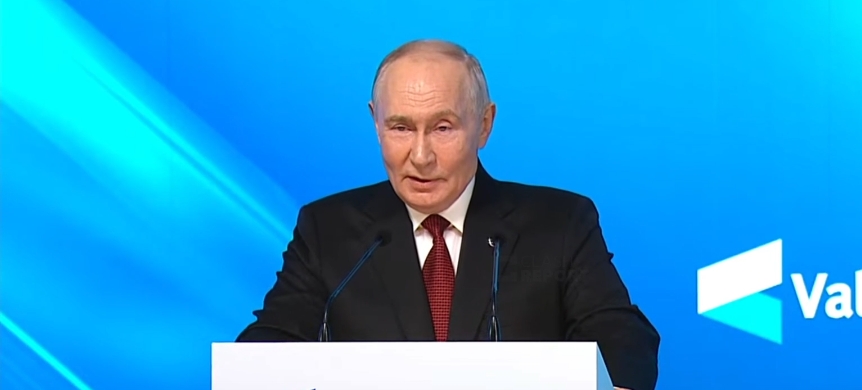
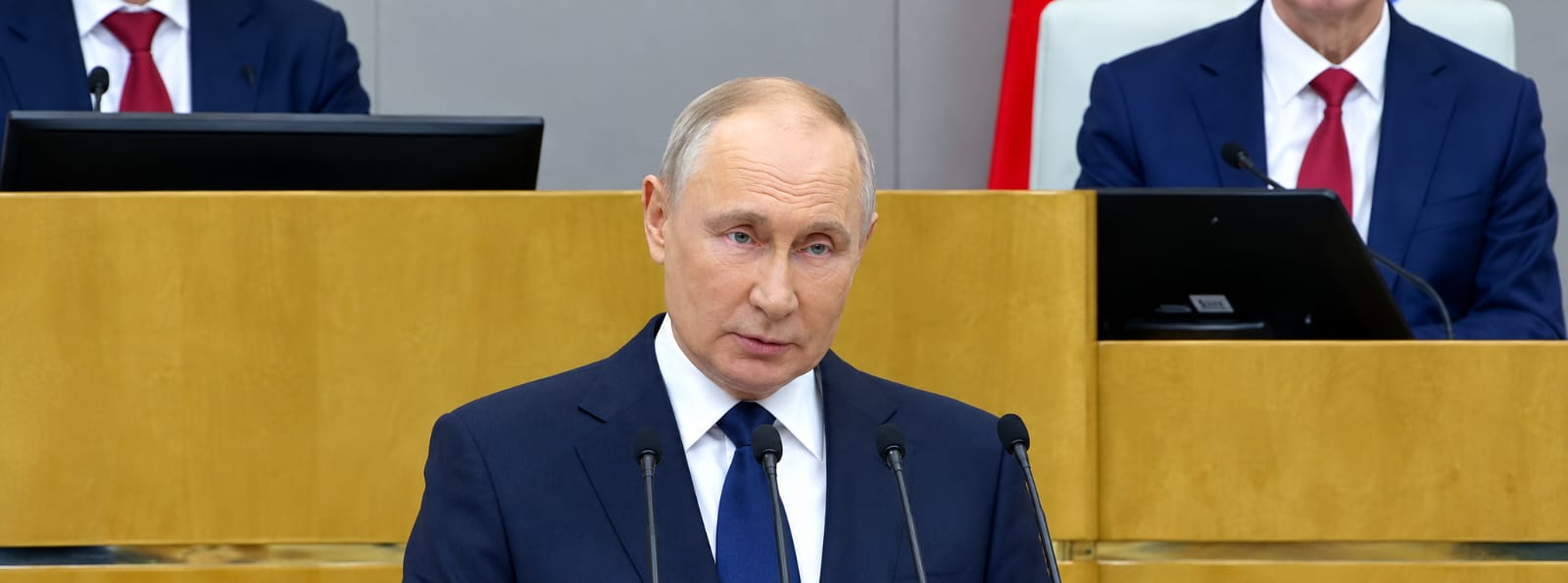
For Russia, the summit is an opportunity to demonstrate that it is not internationally isolated despite Western sanctions and the Ukraine war. Moscow wants to maintain strong relations with China, India, Iran and Central Asian countries.
India has different goals. New Delhi wants access to Central Asia, continued defence and economic relations with Russia, and improved relations with China. At the same time, India continues to cooperate closely with the US through the Quad.
The SCO is not a formal anti-US alliance. Its members have very different interests and often disagree with one another. However, the growing cooperation among China, Russia, India, Iran and Central Asian countries shows that many nations want more freedom to make their own foreign-policy decisions.
The summit could therefore become another sign of a changing global system in which several major powers are seeking a more multipolar world rather than one dominated by a single country. The biggest question is whether the SCO can turn its discussions into real agreements on trade, finance, security and transportation.
Summary
Leaders including Xi Jinping, Narendra Modi and Vladimir Putin are meeting in Kyrgyzstan for the Shanghai Cooperation Organisation (SCO) summit. They are expected to discuss security, trade, the Iran war, Ukraine, Afghanistan and relations between India, China and Pakistan. The summit also highlights growing efforts by major countries to build stronger ties outside the US-led global system.
Content
×
![]()