
Europe is facing a growing number of suspected sabotage attacks, with Russia increasingly being blamed for some of them. Several incidents have happened at defence companies, military-related facilities and other important sites across Europe.
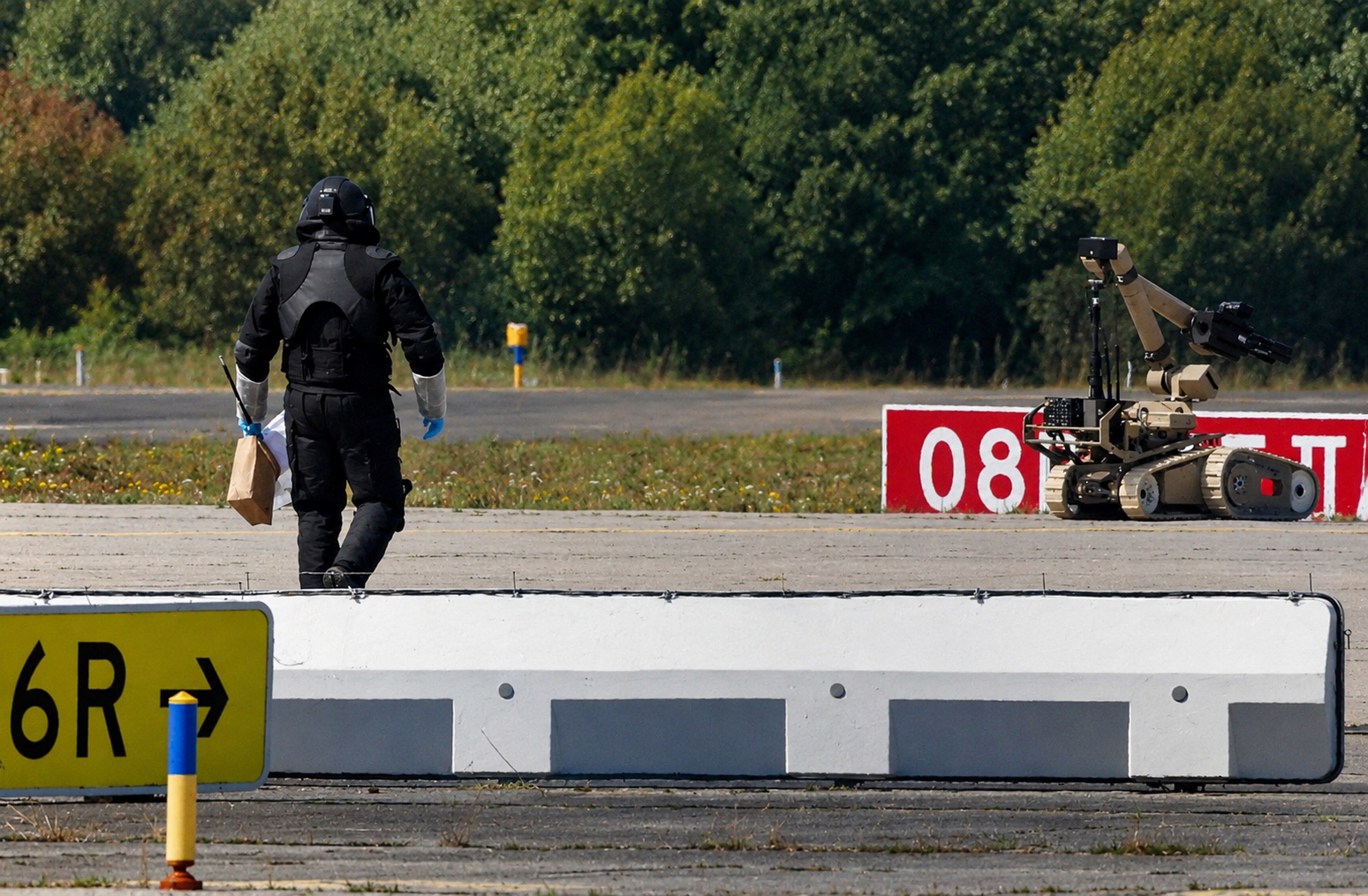
The latest concerns began after drones carrying explosives were discovered at Leipzig Airport in Germany. The airport is used to transport military goods to Ukraine. Germany's interior minister said Russia was responsible for the incident. Russia rejected the accusation and demanded evidence.
The Leipzig incident was followed by several suspicious fires during August.
In Bulgaria, a large fire broke out at a warehouse belonging to defence company EMCO. The company said human error had been ruled out and pointed to concerns about possible outside involvement.
In Italy, a fire at an ammunition facility belonging to KNDS Ammo Italy caused a major explosion. Italian authorities are investigating whether someone deliberately caused the incident.
In Estonia, the Milrem Robotics factory in Tallinn caught fire. The company is connected to the production of military technology and drones. Two people were arrested, while officials said possible Russian involvement was being taken seriously.
In Slovakia, police said they stopped a planned arson attack against a Ukrainian-owned drone manufacturer. Three people were arrested after investigators reportedly found materials that could be used to start fires.
Poland has also experienced several suspicious incidents. A fire broke out at a company producing helicopter components, while another attack targeted drone manufacturer WB Group. Security cameras reportedly showed a masked person throwing incendiary devices. Polish Prime Minister Donald Tusk described the incident as part of Russia's growing activities.
Germany has also reported arrests linked to suspected attacks on defence companies. Authorities are investigating whether some of these incidents were organized or directed from Russia.
Experts say the increasing number of incidents is unusual. Daniela Richterova of King's College London believes Russia may be trying to pressure European countries into reducing their support for Ukraine.
Another possibility is that Russia is testing NATO. Experts say Moscow may be looking for weaknesses in European security and studying how countries respond to attacks.
Many previous sabotage operations were allegedly carried out by people recruited online. These individuals were sometimes offered money to damage property or start fires. Investigators believe the people organizing the operations may remain in Russia while using online contacts to direct those carrying out the attacks.
Experts compare these operations to a "grey zone" conflict. They are serious enough to create fear and damage, but usually remain below the level of an open military attack.
The biggest concern is that one operation could accidentally cause major casualties. For example, an explosive device near an aircraft could cause a crash, potentially forcing NATO to respond.
European governments are therefore increasing security around defence facilities and other important infrastructure.
While investigations are still continuing and not every fire has been linked to Russia, officials are increasingly worried that Europe is facing a coordinated campaign designed to create fear, disrupt support for Ukraine and test how far Russia can go without triggering a larger conflict.
Summary
European countries are investigating a growing number of fires, arson attacks and suspected sabotage incidents at military and defence facilities. Germany, Poland and other countries suspect Russia or people working for Russian intelligence may be behind some of the attacks. Experts say Russia could be trying to frighten European countries, weaken support for Ukraine and test NATO's response.
Content



×
![]()