
The war in Yemen is raising new fears of a wider regional conflict as Houthi forces increase their activities along the Red Sea coast. Yemen’s Ambassador to Qatar, Rajeh Badi, has warned that the fighting could have serious effects not only on Yemen but also on international shipping and the global economy.
In an interview with Al Jazeera, Badi said the Houthis are trying to capture important areas along Yemen’s Red Sea coast. He claimed that Houthi forces have moved closer to areas around al-Makha, also known as Mocha, and al-Waziyah in Taiz province.
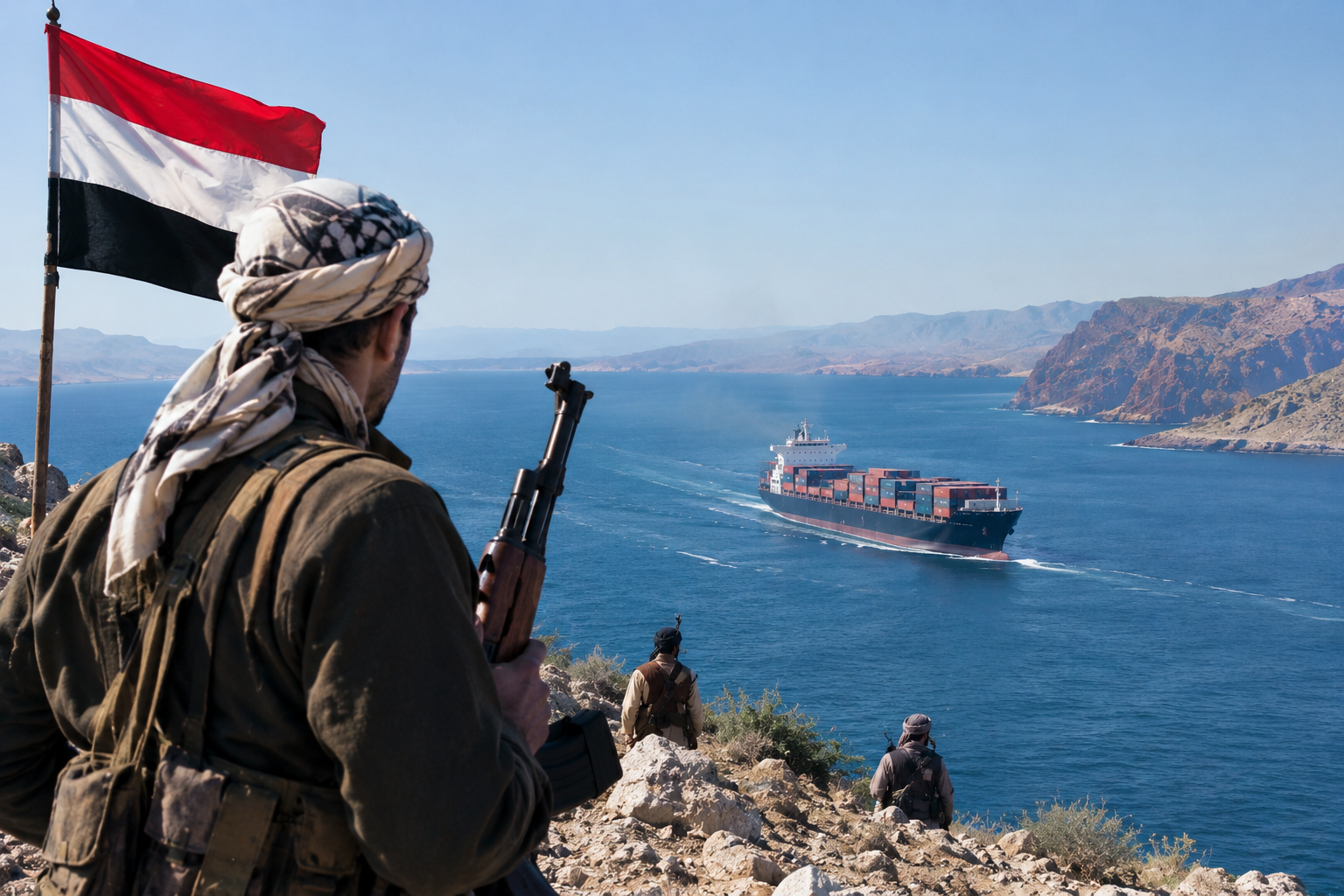
According to Badi, these areas are important because they provide positions overlooking the Red Sea. He said the Houthis could use these locations to launch attacks against ships and make it harder for vessels to travel safely through the region.
The Red Sea is one of the world's most important shipping routes. It connects the Mediterranean Sea through the Suez Canal with the Gulf of Aden and the wider Indian Ocean. The Bab al-Mandeb Strait is the narrow passage connecting the Red Sea with the Gulf of Aden.
Badi warned that if the Houthis are able to seriously disrupt shipping through the Red Sea, the impact could be similar to problems around the Strait of Hormuz. He said the consequences could be even greater because the Red Sea is important for the movement of energy, food and other goods around the world.
The warning comes as tensions between the Houthis and Yemen’s internationally recognised government continue to grow. Badi said the government forces had respected the truce since 2021, while accusing the Houthis of launching a new offensive.
He said government forces responded by opening new fronts in areas including al-Jawf, Marib and al-Bayda. The renewed fighting could make Yemen’s long-running conflict even more dangerous.
Saudi Arabia is also becoming involved again. Saudi-led coalition officials said the Houthis launched missiles and drones toward the Saudi cities of Khamis Mushait, Abha and Jizan. The reported attacks add another layer to the already complicated conflict.
Badi accused the Houthis of trying to bring Saudi Arabia deeper into the war by attacking Saudi territory, civilian infrastructure and Saudi-linked ships in the Red Sea. He argued that the attacks could make the conflict appear to be a direct confrontation between Yemen and Saudi Arabia.
The ambassador also strongly accused Iran of supporting the Houthis. He described the Houthis as one of Iran’s important regional allies, comparing their relationship with Tehran to Iran’s relationships with other armed groups in the Middle East.
Iran has long been accused by the Yemeni government and other countries of providing support to the Houthis. The Houthis are part of a wider regional network of groups that have close political and military ties with Tehran. Iran has rejected many accusations about directly controlling Houthi military operations.
The situation is especially concerning because of the location of Yemen. The country sits near the Bab al-Mandeb Strait, while the Strait of Hormuz lies farther east. Both waterways are important for international trade and energy supplies.
Badi said Yemen’s government believes peaceful efforts have failed after years of negotiations and agreements. He called on the international community to support the Yemeni government and help prevent the conflict from becoming a larger regional crisis.
The latest developments show how Yemen’s conflict could affect countries far beyond its borders. Any major disruption to shipping through the Red Sea could force commercial vessels to take longer routes, increasing travel times and potentially raising transportation and energy costs.
For now, the biggest concern is whether the fighting will continue to expand and whether attacks on shipping or neighbouring countries will increase. A wider conflict around the Red Sea could create another major security and economic challenge for the region and the world.
Summary
Yemen’s ambassador to Qatar has warned that growing Houthi attacks along the Red Sea could create a major threat to global shipping. He said the Houthis are trying to gain strategic positions near the Bab al-Mandeb Strait, a key route for ships carrying energy and food. He also accused Iran of supporting the Houthis and warned that the conflict could spread across the region.
Content



×
![]()