What Happened?
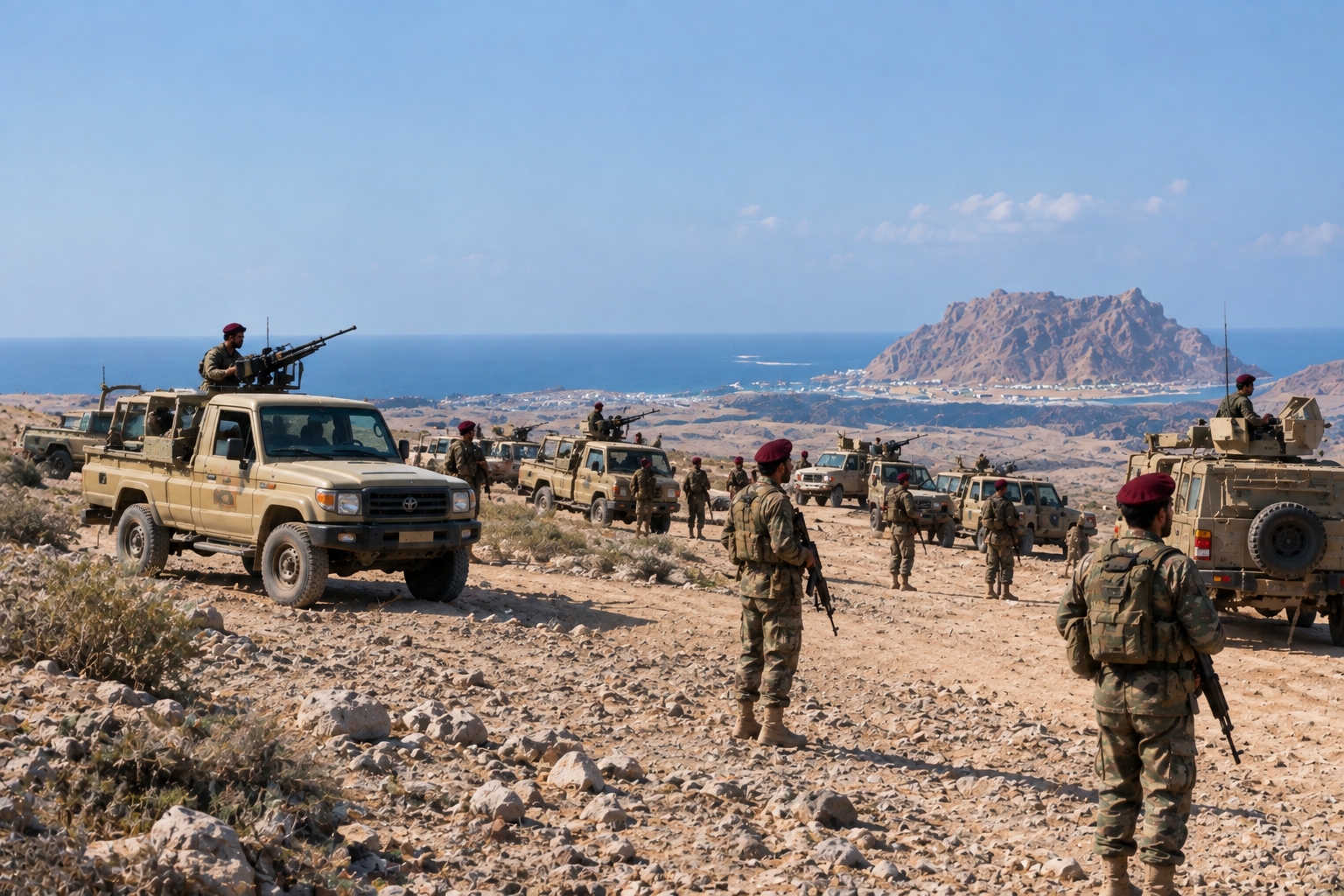
Houthi forces have reportedly strengthened their positions along parts of Yemen’s western coastline. Their movement around areas near Mokha and the strategic waters of the Red Sea has raised concerns about a possible change in control and military influence.
The western coast is especially important because it borders the Red Sea and lies close to the Bab al-Mandab Strait. This narrow waterway connects the Red Sea with the Gulf of Aden and is used by ships traveling between Europe, Asia, and the Middle East.
The Houthis’ reported advance could give them better access to coastal areas and allow them to increase pressure on nearby military and commercial routes.
Key Details
* Houthi forces may be trying to strengthen their presence along Yemen’s western coast.
* Areas near Mokha and the Bab al-Mandab Strait remain strategically important.
* The movement could increase the threat to commercial shipping in the Red Sea.
* Saudi Arabia may face greater security pressure along its southern border.
* The United States could face demands to provide additional support to Saudi Arabia or other regional partners.
* Any direct foreign military involvement could widen the conflict.
* Rising tensions may affect shipping costs, insurance prices, and oil markets.
Why the Red Sea Matters
The Red Sea is one of the world’s most important shipping corridors. Large numbers of cargo ships, oil tankers, and container vessels pass through the region every year.
The Bab al-Mandab Strait is a major gateway between the Red Sea and the Gulf of Aden. If the waterway becomes unsafe, shipping companies may be forced to change their routes and travel around the southern tip of Africa.
Such a change would increase travel time, fuel use, insurance costs, and transportation expenses. These costs could eventually affect the prices of goods in different parts of the world.
A stronger Houthi presence near the coast could therefore create risks far beyond Yemen.
Pressure on Saudi Arabia
Saudi Arabia is likely to be closely concerned about the reported advance. The kingdom has previously faced attacks and security threats connected to the war in Yemen.
If Houthi forces strengthen their coastal positions, Saudi Arabia may worry about new attacks, increased smuggling, or greater military pressure near its borders and strategic infrastructure.
Riyadh could seek additional military assistance, intelligence support, or defensive cooperation from the United States and other partners. However, a stronger military response could also increase tensions and lead to further escalation.
Possible US Involvement
The United States may face growing pressure to support Saudi Arabia and protect international shipping routes. Washington could increase naval patrols, provide intelligence, or assist regional partners with air and missile defense.
However, direct US military intervention could create additional risks. It could draw American forces deeper into the Yemen conflict and increase the possibility of confrontation with Iran, which has been accused of supporting the Houthis.
A wider conflict involving the Houthis, Saudi Arabia, the United States, and Iran could create serious consequences for regional stability.
Impact on Oil and Global Markets
The Red Sea is connected to important energy routes. Any threat to shipping could lead to higher oil prices if traders fear that supplies may be delayed or disrupted.
Even if no major supply interruption occurs, uncertainty can increase market pressure. Shipping companies may also raise insurance premiums or avoid the area entirely.
Higher transport and energy costs could affect businesses, consumers, and governments. The economic impact would depend on how long the security risks continue and whether commercial ships remain able to pass safely through the region.
Humanitarian Consequences
The military situation could also worsen the humanitarian crisis in Yemen. Years of conflict have already displaced large numbers of people and damaged infrastructure, hospitals, schools, and local economies.
Further fighting along the western coast could force more families to leave their homes. Coastal communities may face shortages of food, fuel, medicine, and other essential supplies.
Disruption to ports and transport routes could make humanitarian assistance more difficult to deliver. Civilians living near military positions may face the greatest danger if fighting expands.
Background
Yemen has experienced a long-running conflict involving Houthi forces, the internationally recognized Yemeni government, local armed groups, and regional powers.
The Houthis control large parts of northern and western Yemen, including the capital, Sana’a. Their conflict with Saudi Arabia and other regional actors has created repeated military escalations.
The Red Sea has become an important part of the conflict because of its shipping routes and proximity to strategic locations. Any change in control along the western coast can affect both Yemen’s internal war and wider regional security.
What Happens Next?
The Houthis may try to strengthen their positions around the Red Sea coast and use their new locations to increase pressure on Saudi Arabia. Shipping companies will also be watching closely for any new threats or attacks involving commercial vessels.
The United States may face further pressure to provide more support to Saudi Arabia or become directly involved. However, direct intervention could widen the conflict and create additional risks for regional security.
For now, the reported Houthi advance represents a major change in the situation around Yemen’s western coast. Its long-term impact will depend on whether the movement leads to further fighting, increased attacks on shipping, or a wider regional confrontation.
Source: Fyrim Reports & Analysis.