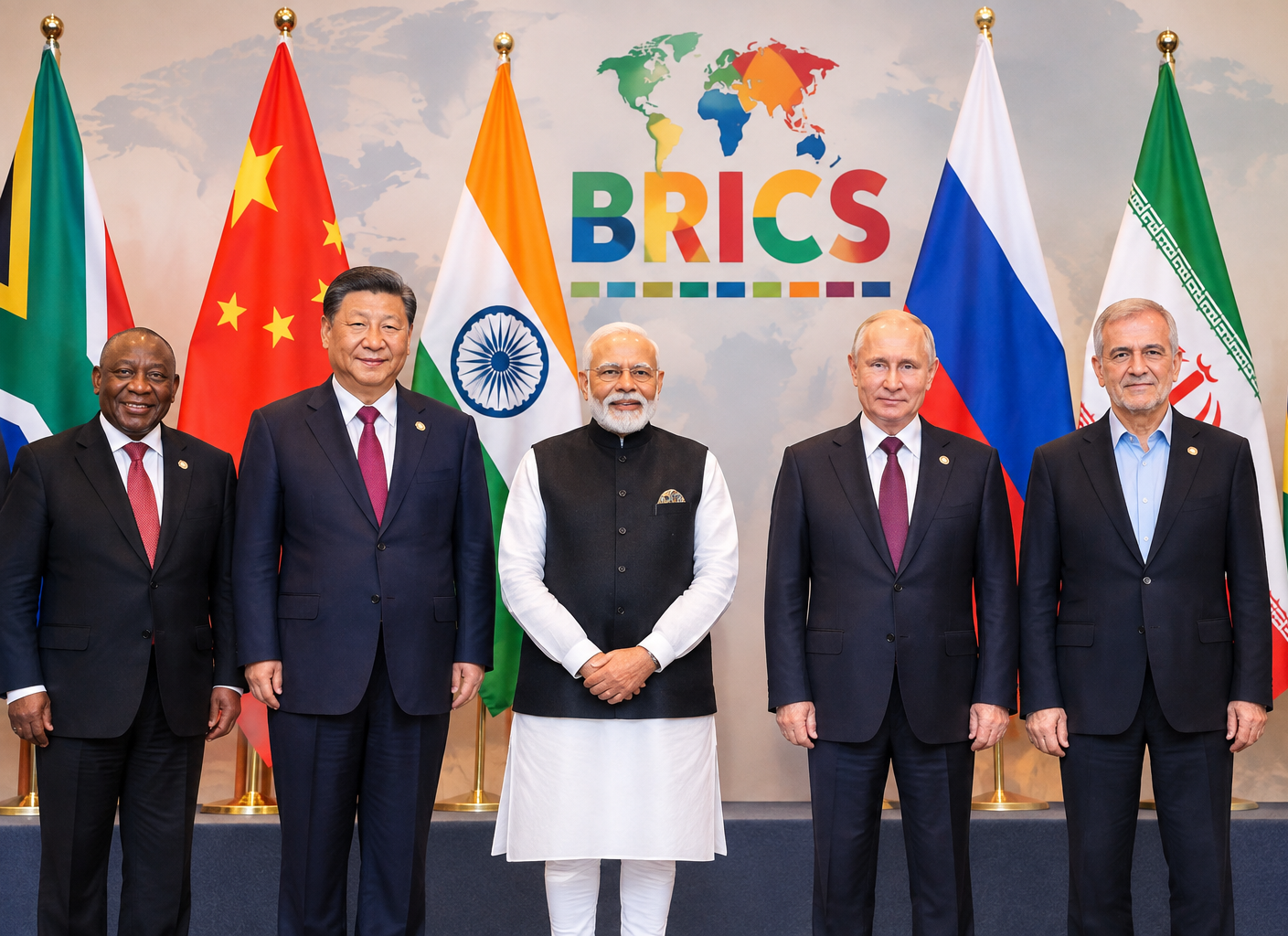
BRICS Summit Opens in New Delhi
Indian Prime Minister Narendra Modi is hosting the BRICS summit as India takes over the bloc’s rotating presidency.
The meeting comes as conflicts in the Middle East and Ukraine continue to affect energy markets, shipping routes and the wider global economy. Trade tensions and tariffs are also creating pressure on several BRICS economies.
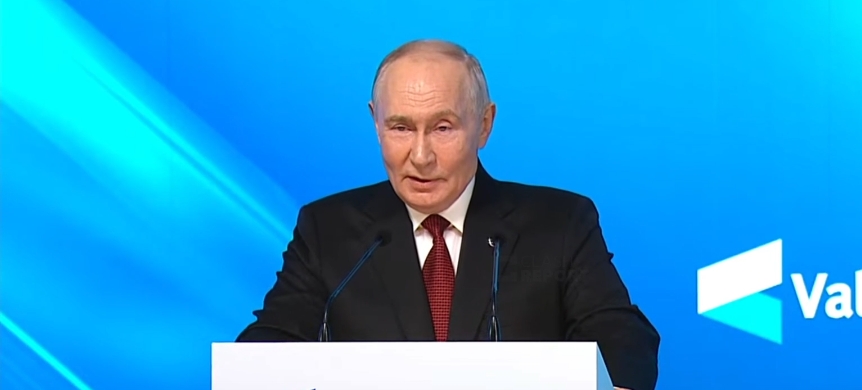
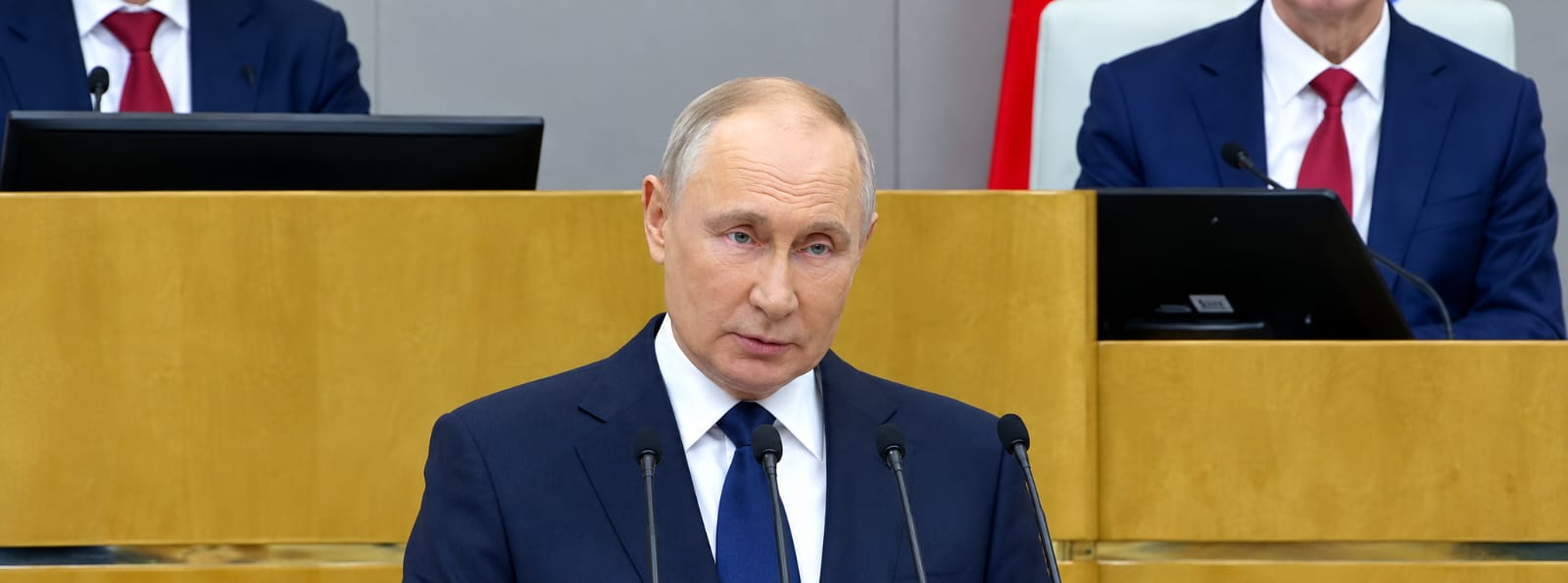
The summit includes Chinese President Xi Jinping, Russian President Vladimir Putin and Iranian President Masoud Pezeshkian, along with leaders or senior representatives from other member countries.
BRICS Calls for Restraint in the Middle East
In their joint declaration, BRICS leaders expressed concern over rising tensions in the Middle East and called for maximum restraint.
The statement also warned against attacks on civilian infrastructure and nuclear facilities, highlighting concerns about the wider impact of regional conflicts.
BRICS Reaffirms Position on Palestine
The declaration also addressed the situation in Palestine.
BRICS members opposed the forced displacement of Palestinians and changes to the demographic character of Palestinian territories. The bloc also repeated calls for an end to Israeli military action in Gaza and expressed support for UNRWA and full UN membership for Palestine.
Trade and Financial Cooperation
Economic cooperation was another major focus of the summit.
BRICS members discussed expanding cross-border payment systems that reduce reliance on traditional Western financial channels. The bloc also opposed unilateral sanctions and tariffs.
The issue comes amid continuing trade tensions between the United States and several BRICS countries.
AI and Technology Cooperation
The leaders also discussed cooperation in artificial intelligence.
AI has become an increasingly important area for BRICS members as countries seek to develop new technologies, strengthen digital economies and increase cooperation in emerging industries.
Xi, Putin and Modi Hold Key Meetings
Chinese President Xi Jinping's visit is notable as his first trip to India in seven years.
The meeting comes as Beijing and New Delhi work to improve relations following years of tensions.
Modi also met Russian President Vladimir Putin before the summit to discuss bilateral relations. He also held talks with Iranian President Masoud Pezeshkian, including discussions related to shipping safety and freedom of navigation through the Strait of Hormuz.
Internal Differences Remain
Despite the joint declaration, BRICS continues to face differences among its members.
Iran and the UAE, for example, have different positions regarding the wider regional conflict involving Iran and the United States and Israel.
The bloc has also previously struggled to reach a common position on some major international conflicts, showing the challenges of maintaining unity among its increasingly diverse membership.
Trade Tensions With the United States
Relations with Washington remain another major issue for BRICS.
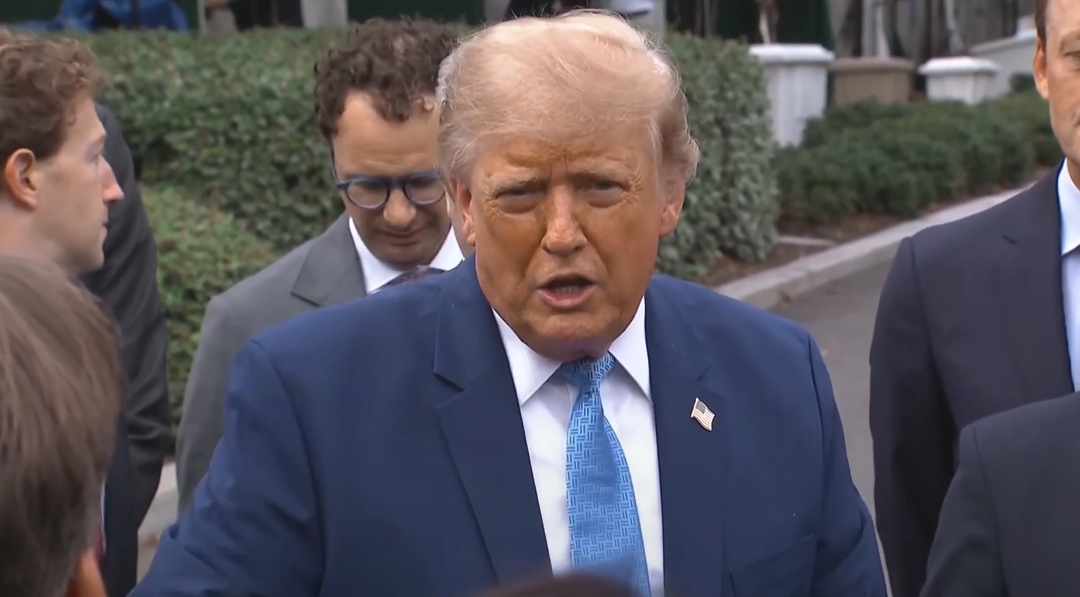
The United States has imposed tariffs on several BRICS members, while President Donald Trump has criticized the bloc and previously described it as anti-American.
Further trade measures could increase pressure on BRICS countries and strengthen calls within the group for greater economic cooperation.
BRICS at 20
BRICS was established in 2006 by Brazil, Russia, India and China before expanding to include South Africa and additional members.
As the bloc reaches its 20th anniversary, its main challenge is turning its larger membership into meaningful economic and political influence.
The New Delhi summit shows that BRICS wants to play a larger role in global affairs, but differences between its members could make deeper cooperation difficult.
Key Points
- BRICS leaders called for restraint in the Middle East.
- The bloc warned against attacks on civilian infrastructure and nuclear sites.
- Members reaffirmed their position on Palestinian rights.
- BRICS wants greater cooperation in trade and cross-border payments.
- AI cooperation was also discussed.
- Modi held meetings with Xi Jinping, Vladimir Putin and Masoud Pezeshkian.
- Internal differences remain a challenge for the expanded BRICS group.
Source and Attribution:
This article is based on the BRICS joint declaration and statements and developments described in the provided material. Fyrim has summarized and analyzed the information for its readers.
Editorial Note:
This article summarizes positions and statements attributed to BRICS leaders. Statements concerning conflicts, sanctions, tariffs and international disputes represent the positions of the parties involved and should be distinguished from independently verified facts.