What Happened?
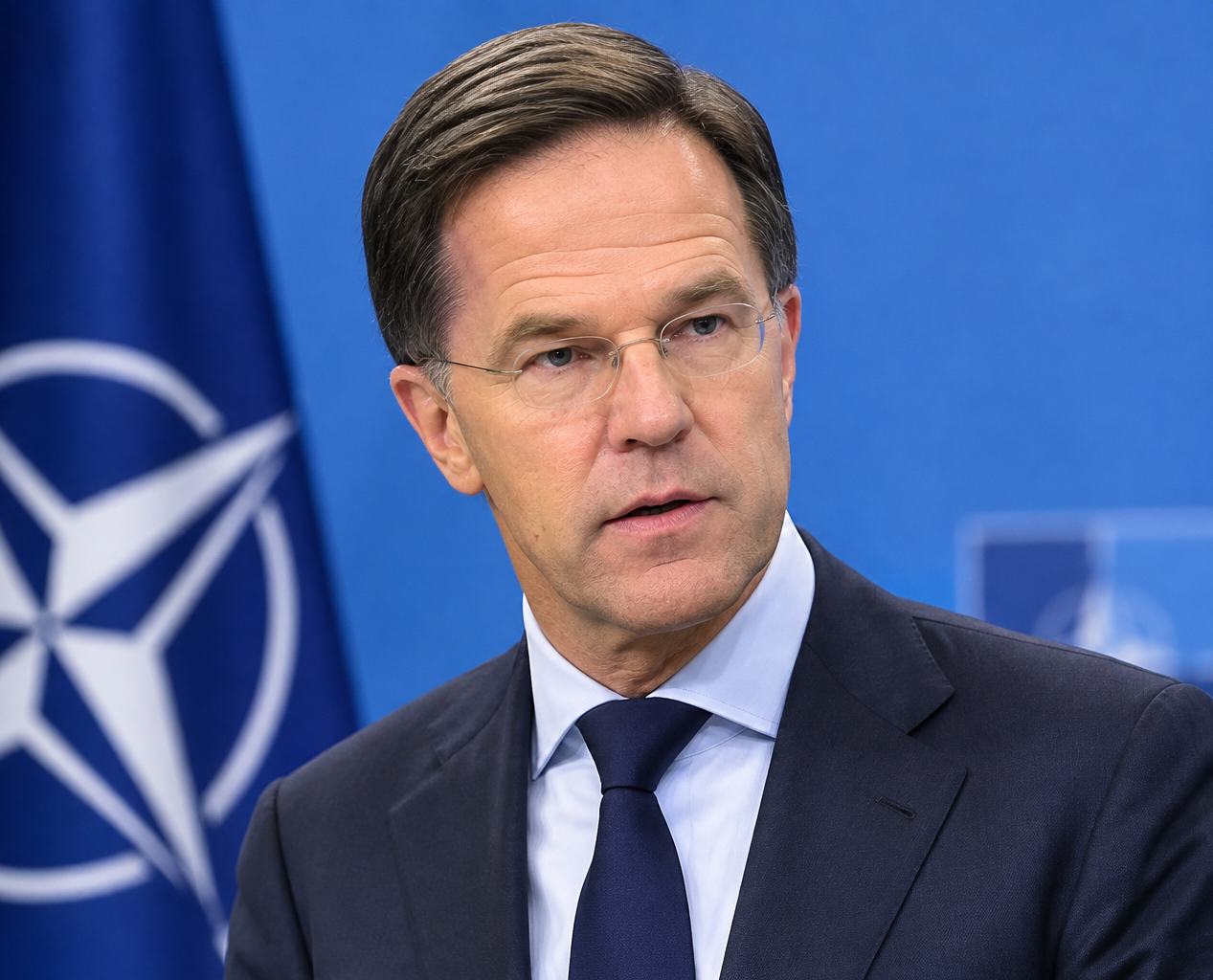
NATO Secretary General Mark Rutte has strongly criticized Russia’s ongoing war against Ukraine, calling for increased support to help Kyiv defend itself. His remarks followed a reported strike on a passenger train in Ukraine, which he described as an example of what he called Putin’s desperation.
Rutte said Putin believes Russia can weaken Western support for Ukraine and divide NATO allies, but argued that this strategy will not succeed.
Key Details
* Support for Ukraine: Rutte called for stronger assistance to Ukraine so it has the resources needed to defend itself.
* Russian Casualties: He claimed Russia is suffering more than 40,000 casualties per month, describing the war as increasingly costly for Moscow.
* Attacks Near NATO: Rutte criticized what he called reckless Russian attacks, including strikes on civilian infrastructure close to NATO territory.
* Kosovo Commitment: He reaffirmed NATO’s long-term commitment to peace and security in Kosovo.
* Russian Soldiers: Rutte warned young Russian men that joining the war could mean they may not return home, accusing Putin of showing little concern for their lives.
NATO’s Warning to Russia
Rutte also addressed Russia’s use of hybrid threats, which can include cyberattacks, disinformation, sabotage, and other forms of pressure below the level of open warfare.
He said NATO has response options available and emphasized that not all of the alliance’s actions will be made public. According to Rutte, some measures remain undisclosed for security reasons.
His message was that Russia should not expect to divide NATO or weaken its collective response. He stressed that the alliance has the ability to respond to threats, even when those actions are not always visible.
Why It Matters
Rutte’s comments show that NATO remains focused on maintaining support for Ukraine and resisting Russian pressure. His call for more assistance suggests that the alliance sees Ukraine’s ability to defend itself as central to European security.
The remarks also highlight the risk of further escalation, particularly as attacks occur near NATO members and concerns grow over hybrid threats. While Rutte emphasized NATO’s preparedness, the alliance must balance its support for Ukraine with efforts to avoid a wider direct conflict with Russia.
What Happens Next?
NATO countries are likely to continue discussions about military aid, air defense, intelligence sharing, and other forms of support for Ukraine. The alliance will also monitor Russian attacks and possible hybrid operations affecting its members.
Rutte’s statements reinforce NATO’s position that its unity will remain a key part of its response to the war.
Source: Fyrim Reports and Analysis. Statements were made directly by NATO Secretary General Mark Rutte during a live television appearance.