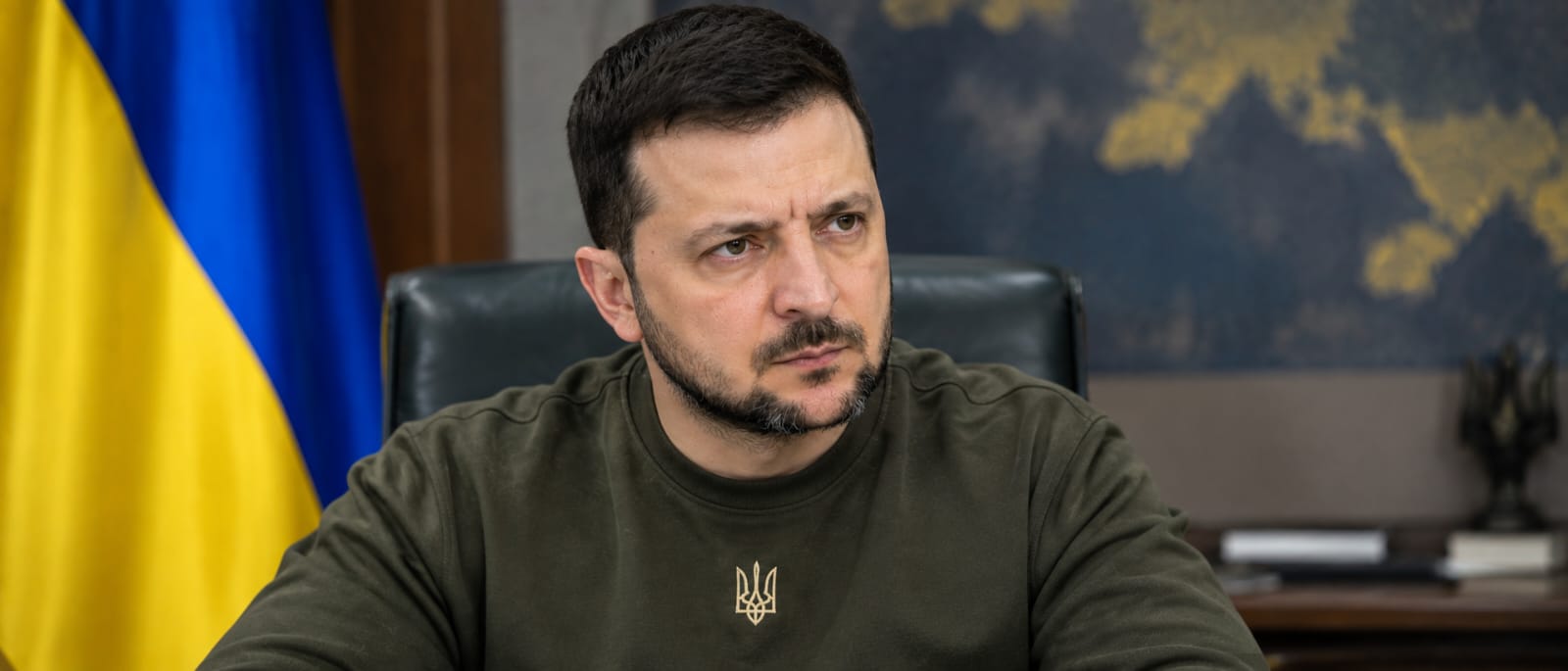
Zelenskyy Cites Nearly 249,000 Russian Battlefield Losses
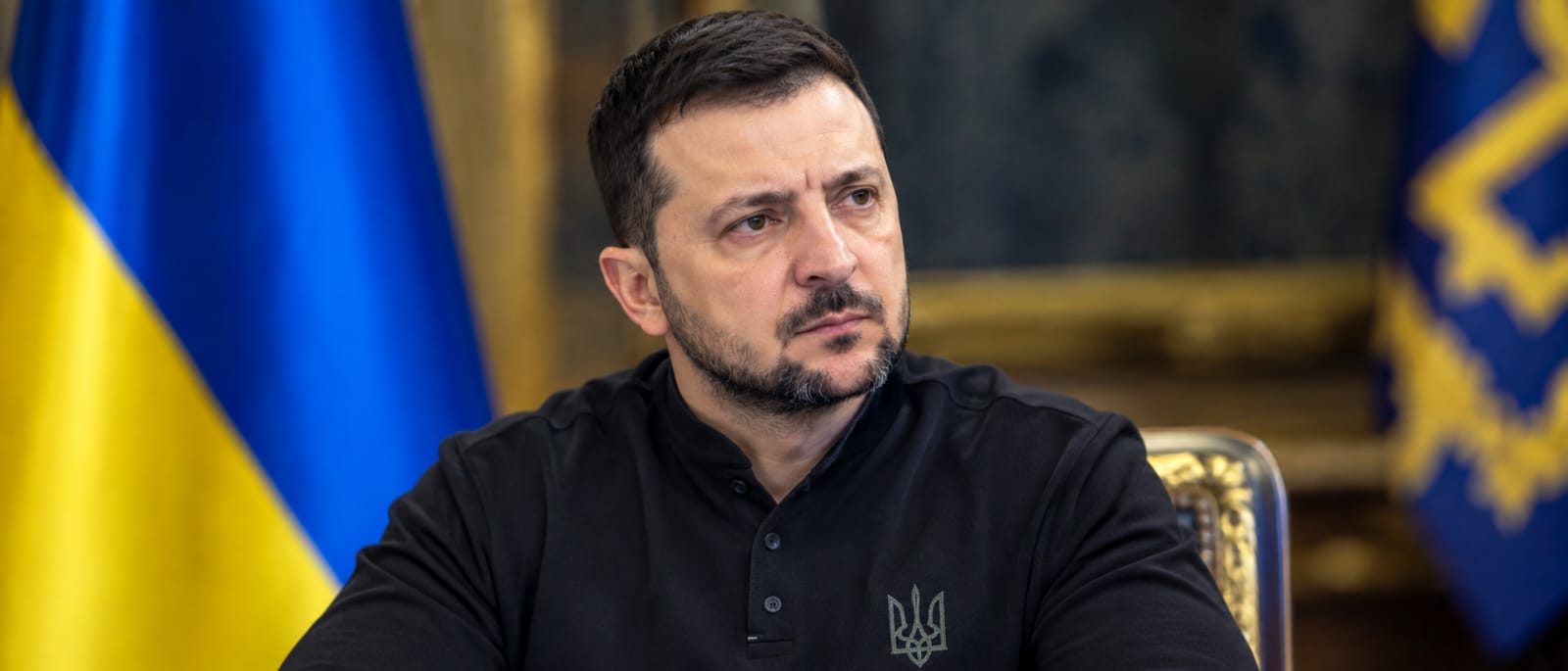
Zelenskyy said Russia lost 248,964 personnel on the battlefield between January and August 2026. He argued that the figure demonstrates the human cost of Russia's military campaign.
He said Ukraine has video records documenting many of the reported Russian losses and described the continued fighting as extremely costly.
The exact number of military casualties in the war is difficult to independently verify, and Russia and Ukraine provide different accounts of battlefield losses.
Russia's Territorial Gains
Zelenskyy said Russia had captured slightly more than 1,000 square kilometers of Ukrainian territory during the year while suffering large personnel losses.
He questioned the strategic value of such territorial gains given the human cost, arguing that Russia already controls a vast amount of territory of its own.
His comments came as fighting continues along multiple sections of the front, with neither side publicly accepting the other's assessment of battlefield losses.
North Korean Troops and Foreign Fighters
Zelenskyy again highlighted North Korea's military support for Russia. He said North Korean troops had been deployed to help Russian forces and had also suffered casualties.
He also said Russia was using citizens from 47 countries in the war, naming countries including Ghana, Nepal, Tajikistan, India, Yemen, Kenya, Zimbabwe, Cuba, Belarus, Sudan and South Africa. Ukrainian officials have previously reported the presence of foreign nationals fighting for Russia, although the scale and circumstances vary by country.
Zelenskyy called on the governments of those countries to prevent their citizens from being drawn further into the conflict.
Zelenskyy Warns About Russia's Wider Ambitions
Zelenskyy said Russia's actions should be viewed as a broader security concern. He pointed to Russian tensions with Moldova, threats toward Poland and the Baltic states, and Moscow's relations with countries in the South Caucasus and Central Asia.
He argued that allowing Russia greater freedom to continue the war could create wider risks for other countries.
Thousands of Missiles and Drones
Zelenskyy said Russia had launched more than 2,100 missiles against Ukraine since the beginning of the year, including more than 950 ballistic missiles.
He also said Russia had used approximately 63,000 attack drones during the first eight months of 2026, including more than 7,700 jet-powered drones.
Zelenskyy said these attacks have placed significant pressure on Ukraine's air-defense systems and infrastructure. Independent UN reporting confirms that missiles and drones remained a major source of civilian casualties in Ukraine during 2026.
Ukraine Says It Did Not Choose the War
Zelenskyy rejected the idea that Ukraine's focus on weapons and military production means it wants continued war.
He said Ukrainians chose to defend themselves because they did not want to lose their country, families, independence or freedom.
He also pointed to Ukraine's development of long-range drones, saying Ukrainian weapons can now reach Russian military facilities thousands of kilometers from Ukraine.
Warning About Winter Attacks
Zelenskyy warned that another difficult winter could follow if Russia continues attacking Ukraine's energy infrastructure and heating systems.
He said Ukraine would respond by trying to make the cost of such attacks painful for Russia as well.
The United Nations has reported continued attacks against Ukraine's energy and civilian infrastructure, with long-range missiles and drones remaining a major source of civilian casualties.
Zelenskyy Calls Putin “Patient Zero”
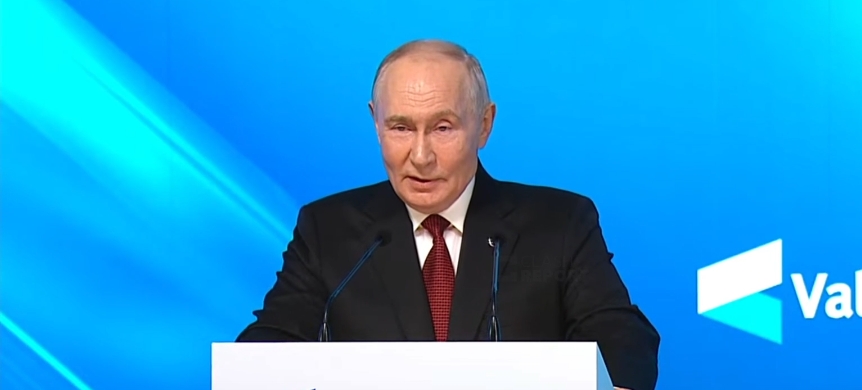
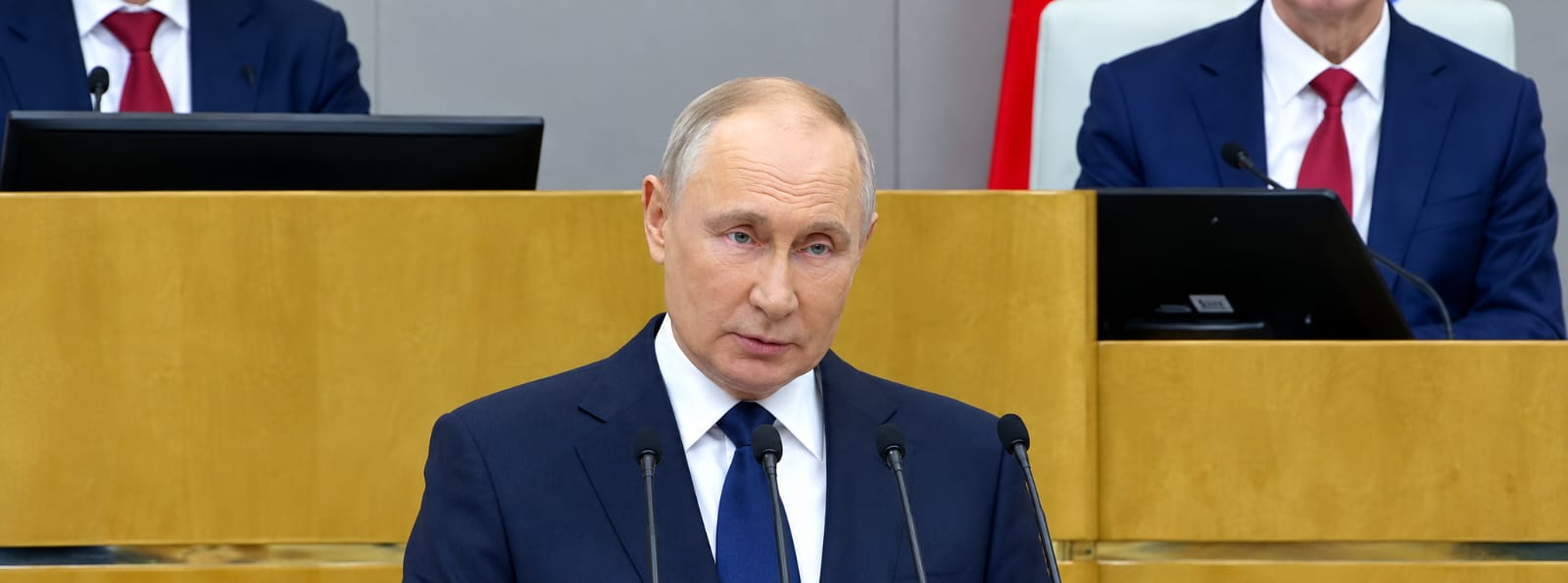
Zelenskyy repeatedly singled out Russian President Vladimir Putin, calling him “patient zero” for the war.
He argued that Putin's continued ability to wage war creates wider international risks and urged governments to limit Russia's financial resources and military capacity.
Zelenskyy also criticized Russia's use of its veto power at the UN Security Council, saying it can obstruct diplomatic efforts.
Concerns About Russia's Economy
Zelenskyy said Russia's budget deficit had reached its highest level and claimed that many Russian regions were facing severe financial difficulties.
He also argued that Russian military plans for the summer had failed to achieve their intended objectives.
Such economic and battlefield assessments are disputed and can change as new data becomes available.
Warning About AI and Future Warfare
One of the broader themes of Zelenskyy's speech was the rapid development of military technology.
He warned that artificial intelligence could soon play a role in deciding what happens on the battlefield, potentially reducing the role of humans in certain military decisions.
He called for international efforts to slow the development of weapons designed for killing before warfare reaches a stage where AI systems have greater autonomy.
The warning comes as AI-assisted drones and other autonomous technologies are already being tested and deployed in the Russia-Ukraine war.
Zelenskyy Calls for Peace
Zelenskyy said Ukraine needs peace and security while continuing to defend itself against Russian attacks.
He argued that the international community should limit Russia's ability to finance and continue the war while strengthening Ukraine's ability to protect its population.
He also urged countries whose citizens are fighting for Russia to prevent further involvement and warned that the conflict could have consequences beyond Ukraine.
Key Points
- Zelenskyy said Russia lost 248,964 troops from January through August 2026.
- He said Russia captured just over 1,000 square kilometers of Ukrainian territory this year.
- He cited more than 2,100 Russian missiles and 63,000 attack drones used against Ukraine in 2026.
- Zelenskyy said Russia is using citizens from 47 countries in the war.
- He highlighted North Korean military involvement.
- He warned about attacks on Ukraine's energy infrastructure during winter.
- Zelenskyy criticized Russia's use of its UN Security Council veto.
- He called Putin “patient zero” of the war.
- He warned that AI could increasingly influence battlefield decisions.
- He called for peace before warfare becomes even more technologically autonomous.
Source
Based on Zelenskyy's September 23, 2026 address to the United Nations General Assembly, with additional context from UN reporting and international coverage.