
The United States and Iran are struggling to reach an agreement as talks continue over the recent conflict in the Middle East.
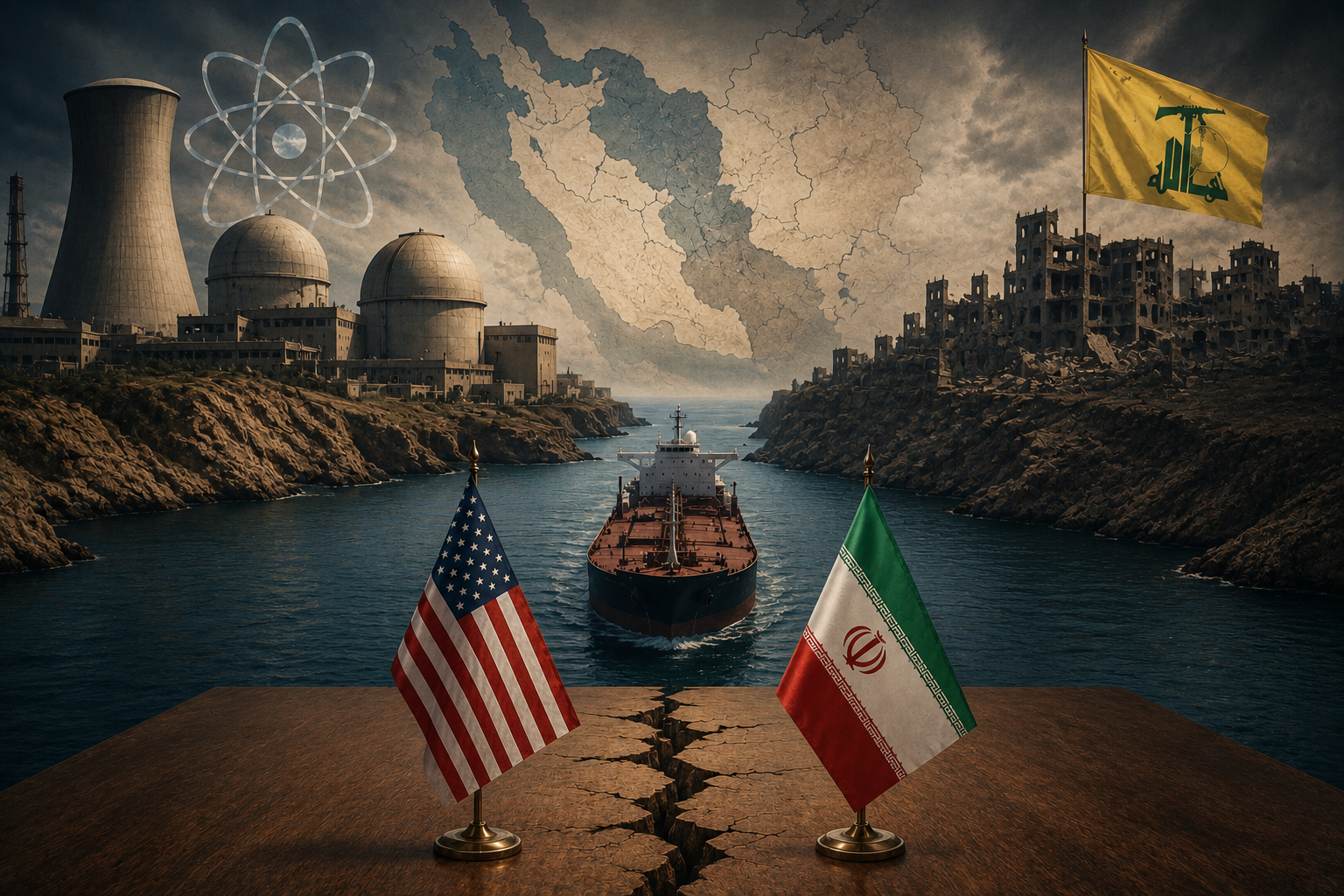
According to Iranian sources, Tehran has proposed a three-phase plan to reduce tensions and permanently end the war. In the first phase, Iran wants a 30-day negotiation period to discuss ending fighting across the entire region.
Iran says this agreement must also include groups linked to Iran, such as Hezbollah in Lebanon. However, the US has rejected the idea that Iran should decide Hezbollah’s future. US Secretary of State Marco Rubio recently said Hezbollah’s future cannot be controlled by Iran.
Iran is also asking for strong guarantees that the war will not restart in the future. Tehran wants these guarantees to come from the United Nations Security Council, but this is difficult for the US and its allies to accept.
Another major issue is the US blockade and the reopening of the Strait of Hormuz, one of the world’s most important oil shipping routes. Iran says the situation has changed after the war and insists it will continue to maintain strong control over the waterway. This position worries both the US and Gulf countries.
Iran is also refusing to dismantle its nuclear facilities or send its enriched uranium outside the country. The US sees this as a key issue because it wants limits on Iran’s nuclear activities.
These disagreements over regional security, the Strait of Hormuz, Hezbollah, and Iran’s nuclear program remain the biggest obstacles to reaching a final agreement between Washington and Tehran.
Summary
The United States and Iran are facing several major disagreements during ongoing talks about ending tensions in the Middle East. Iran wants guarantees to stop future attacks, reopen trade routes, and protect its regional allies, while the US opposes several of these demands. Issues involving Iran’s nuclear program, the Strait of Hormuz, and Hezbollah remain the biggest obstacles.
Content

×
![]()