
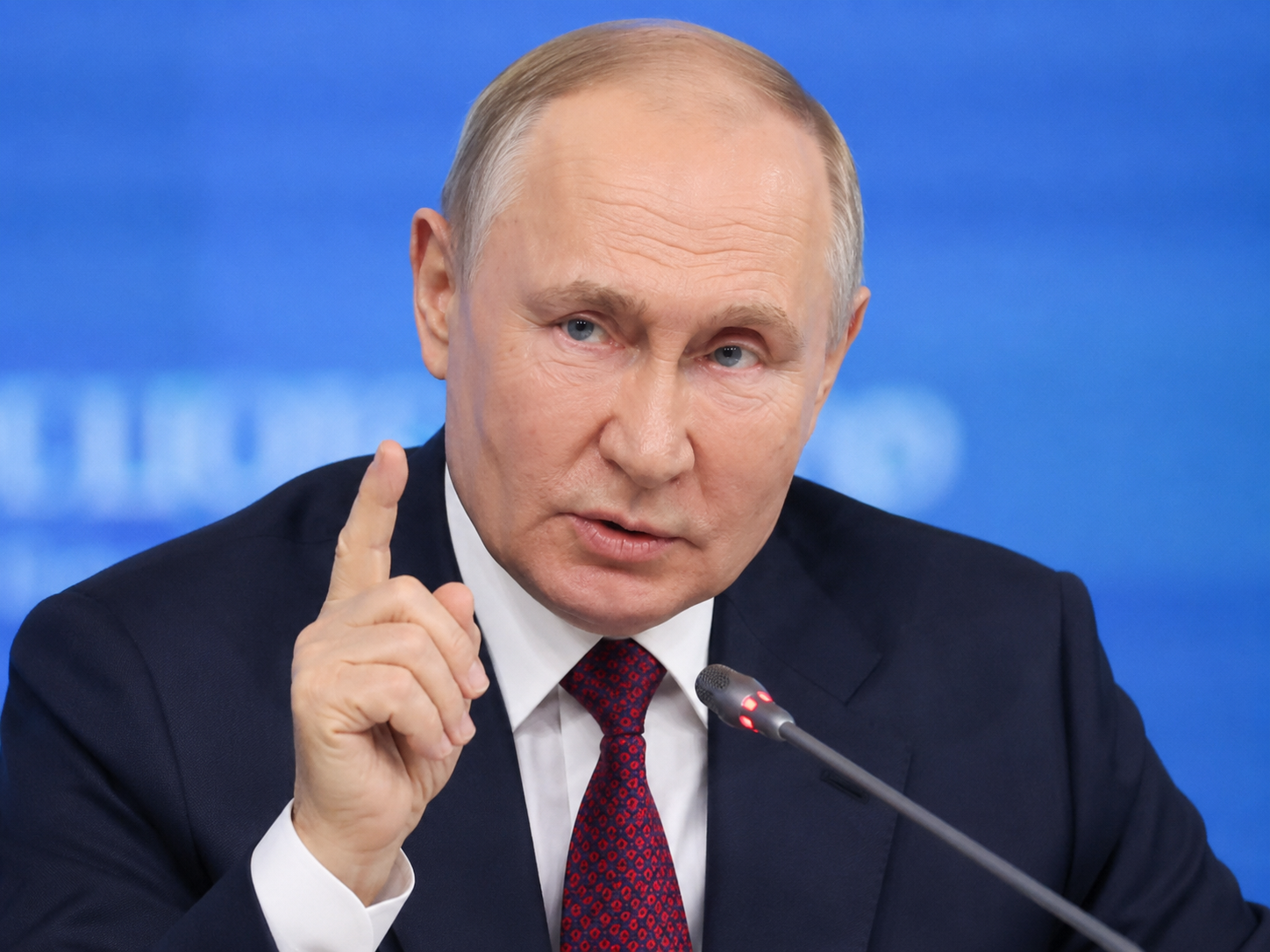
Russian President Vladimir Putin has refused a request from Ukrainian President Volodymyr Zelensky for direct talks aimed at ending the war between Russia and Ukraine.
The proposal came after Zelensky published an open letter asking Putin to meet face-to-face and discuss ways to stop the conflict. Zelensky argued that waiting for international attention to return to the war was not the right approach and called for immediate negotiations. He also requested a ceasefire to reduce the violence and loss of life.
However, Putin rejected the idea during Russia's annual economic forum in St. Petersburg. He said he did not see any reason to hold a meeting at this stage. According to Putin, direct talks between leaders should only happen after experts and negotiators have already agreed on key issues.
Putin questioned Zelensky's intentions, suggesting that the letter may have been written to avoid a real meeting rather than arrange one. He also described parts of the Ukrainian leader's message as disrespectful and rude.
After hearing Putin's response, Zelensky criticized the Russian president and accused him of refusing to work toward peace. Zelensky said Putin simply did not want the war to end and claimed many countries around the world would be disappointed by Russia's refusal to hold direct talks.
A major disagreement between the two sides remains the issue of a ceasefire. Ukraine wants fighting to stop as a first step toward peace negotiations. Russia, however, argues that a ceasefire would give Ukrainian forces time to regroup, rearm, and strengthen their positions.
Putin repeated Russia's position that long-term agreements must come before any pause in fighting. He said Moscow is looking for lasting solutions rather than temporary arrangements that could lead to renewed conflict in a few months.
The Russian leader also stated that military operations would continue until Russia achieves the goals it set when launching its full-scale invasion of Ukraine in 2022. He said the war would eventually end, but only after those objectives were met.
One of the biggest obstacles to peace remains the question of territory. Russia continues to demand that Ukraine withdraw from the regions of Donetsk, Luhansk, Kherson, and Zaporizhzhia. Moscow also wants Ukraine to abandon its efforts to join NATO.
Ukraine has firmly rejected these demands. Kyiv argues that giving up territory would reward aggression and increase the risk of future attacks. Ukrainian officials often point to Russia's annexation of Crimea in 2014, which happened years before the larger invasion began in 2022, as evidence that concessions do not guarantee peace.
Zelensky's letter also included personal criticism of Putin. He suggested that after more than two decades in power, Putin was becoming less effective due to age. Zelensky also referred to recent Ukrainian drone attacks inside Russian territory, including operations near St. Petersburg, using a mocking tone.
These comments appeared to further damage the chances of a meeting. Putin specifically mentioned the letter's harsh language while explaining why he saw little value in direct talks at the moment.
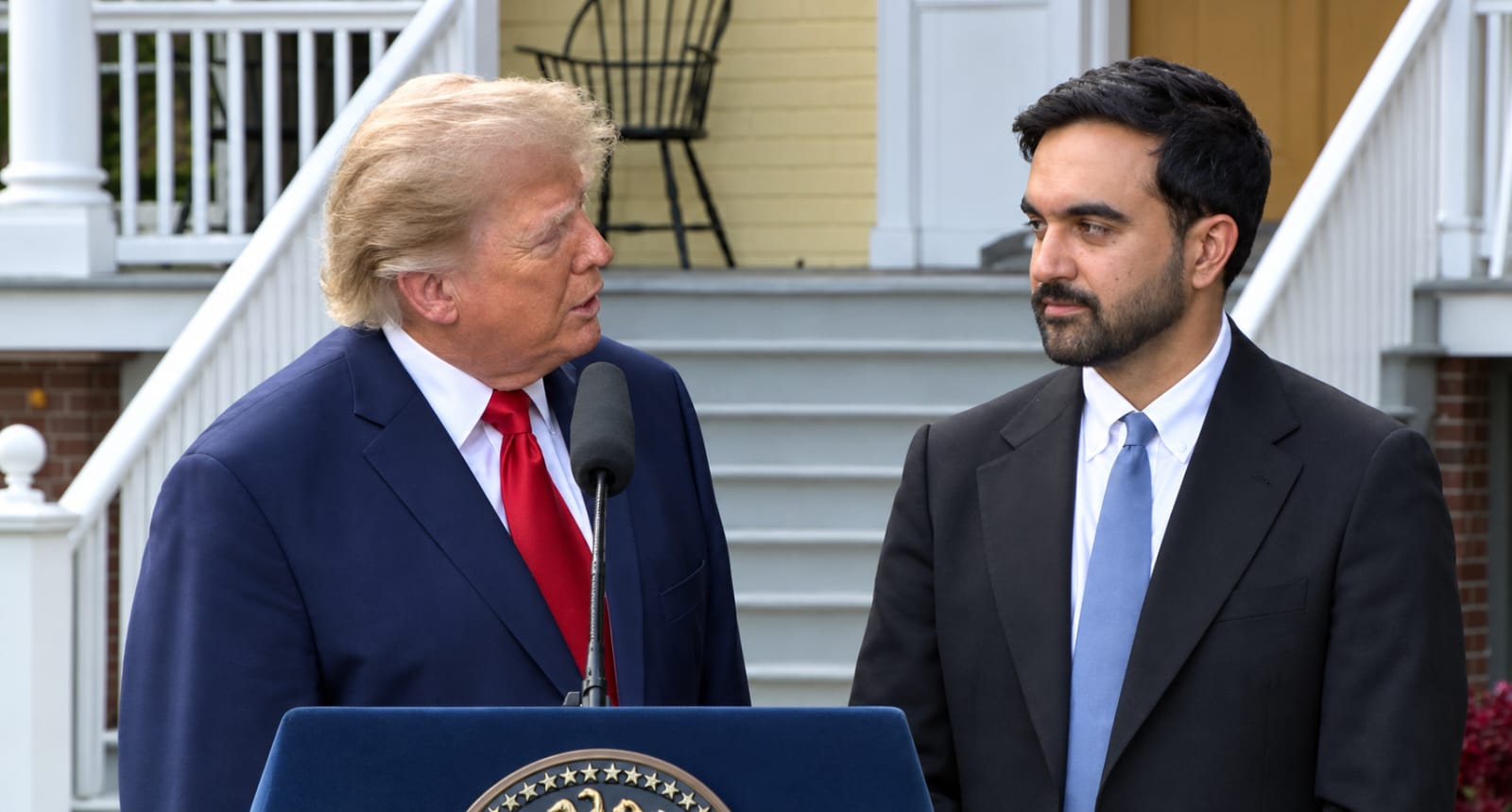
Despite the disagreement, some international leaders had hoped the exchange of letters could lead to progress. United States President Donald Trump welcomed the idea of a meeting between the two leaders and said it would be positive if they sat down together.
While diplomatic efforts remain stalled, the fighting continues on the battlefield.
Ukraine announced that it had targeted several ships operating in the Sea of Azov and waters near territories occupied by Russia. Ukrainian military officials claimed the vessels were being used to transport stolen Ukrainian grain, fuel, and military supplies.
At the same time, reports emerged of casualties linked to attacks on ships in the region. Azerbaijan's foreign ministry stated that five people were killed in attacks involving two vessels, although it did not identify who carried out the strikes.
Ukraine also acknowledged that one of its drones exploded in Romania's Black Sea port of Constanta after reportedly being affected by Russian electronic interference. Romania is a member of NATO, making such incidents particularly sensitive.
Meanwhile, Russian attacks on Ukrainian cities continued. Ukrainian officials reported that at least 13 people were killed and dozens more injured in strikes across the country within a single day. Among the incidents was an attack on a dairy factory near Kyiv that killed four people. Another drone strike on a petrol station in the southern city of Kherson killed a 35-year-old woman.
More than four years into the conflict, both sides remain far apart on key issues. Russia insists that its security and territorial demands must be accepted before peace can be achieved. Ukraine continues to reject those conditions and calls for a ceasefire and the restoration of its territorial integrity.
With direct talks between Putin and Zelensky now unlikely in the near future, hopes for a quick diplomatic breakthrough appear limited. For now, the war continues both on the battlefield and at the negotiating table, where neither side seems willing to make major concessions.
Summary
Russian President Vladimir Putin has rejected Ukrainian President Volodymyr Zelensky's proposal for a face-to-face meeting to discuss ending the war in Ukraine. Putin said there was "no point" in meeting right now and insisted that peace agreements should be worked out by experts before any direct talks take place. Zelensky responded by saying Russia was choosing to continue the war instead of seeking peace. Meanwhile, fighting continues, with both sides carrying out attacks and suffering casualties.
Content
×
![]()