
Armenia is preparing for one of its most important elections in recent years. The vote comes at a time when the country is balancing between closer ties with Europe and its long-standing relationship with Russia.
Prime Minister Nikol Pashinyan is seeking re-election on a platform that promises greater integration with Europe. Since taking office in 2018, he has gradually moved Armenia away from Russian influence and strengthened relations with Western countries.
Armenia, a nation of about three million people in the South Caucasus region, has traditionally depended on Russia for trade, security, and energy. However, under Pashinyan's leadership, the government has taken steps to build stronger links with the European Union and the United States.
One of Pashinyan's major achievements has been launching the process of closer cooperation with the European Union. His government has also worked on improving relations with neighboring Azerbaijan after decades of conflict. A peace agreement brokered with support from the United States has been one of the most significant developments in the region.
Earlier this year, Pashinyan hosted a major gathering of European leaders in the Armenian capital, Yerevan. The event highlighted Armenia's growing relationship with Western nations and demonstrated the government's commitment to a European future.
Despite these diplomatic successes, Pashinyan's popularity has fallen sharply in recent years. Much of the criticism centers on the issue of Nagorno-Karabakh, a disputed region that was populated mainly by ethnic Armenians until Azerbaijan regained control in 2023.
Many Armenians blame Pashinyan for making too many concessions to Azerbaijan in pursuit of peace. Critics argue that his policies weakened Armenia's position and failed to protect Armenian interests in Nagorno-Karabakh.
The peace agreement with Azerbaijan remains controversial. Public opinion is deeply divided, with supporters saying peace is necessary for stability and economic growth, while opponents believe Armenia gave up too much in exchange.
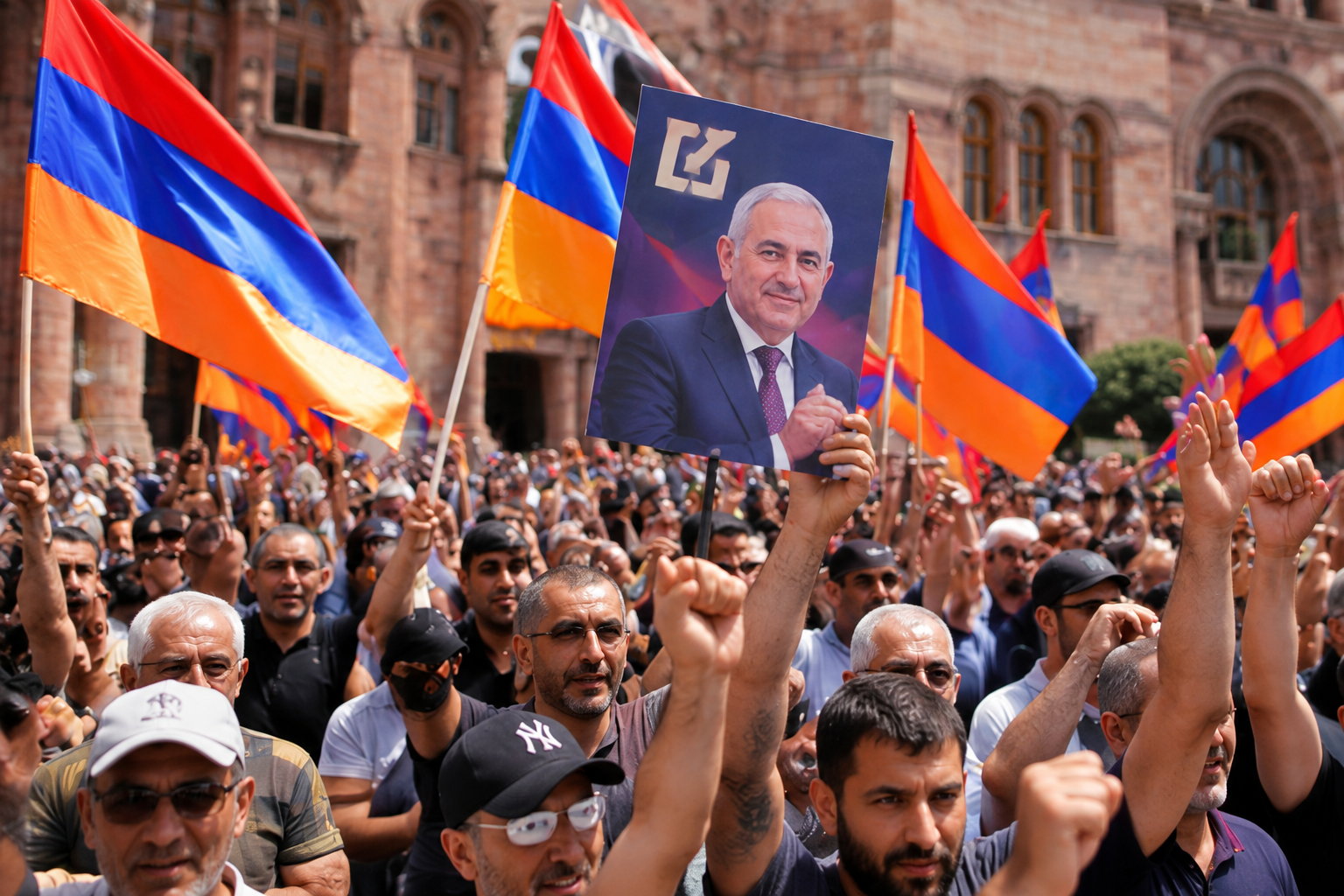
Pashinyan's main political challenger is billionaire businessman Samvel Karapetyan, who built much of his wealth in Russia. Karapetyan is currently under house arrest after being accused of plotting against the government, although he denies wrongdoing. His campaign is being managed by family members while he remains unable to appear publicly.
Other opposition groups include parties linked to former Armenian presidents Robert Kocharyan and Serzh Sargsyan. Both leaders support restoring stronger political, economic, and military ties with Russia.
Recent polling suggests that Pashinyan's party remains the largest political force, but support is much lower than it was several years ago. A large number of voters say they do not trust any political leader, showing widespread frustration with the country's political system.
As election day approaches, Russia's role has become increasingly important.
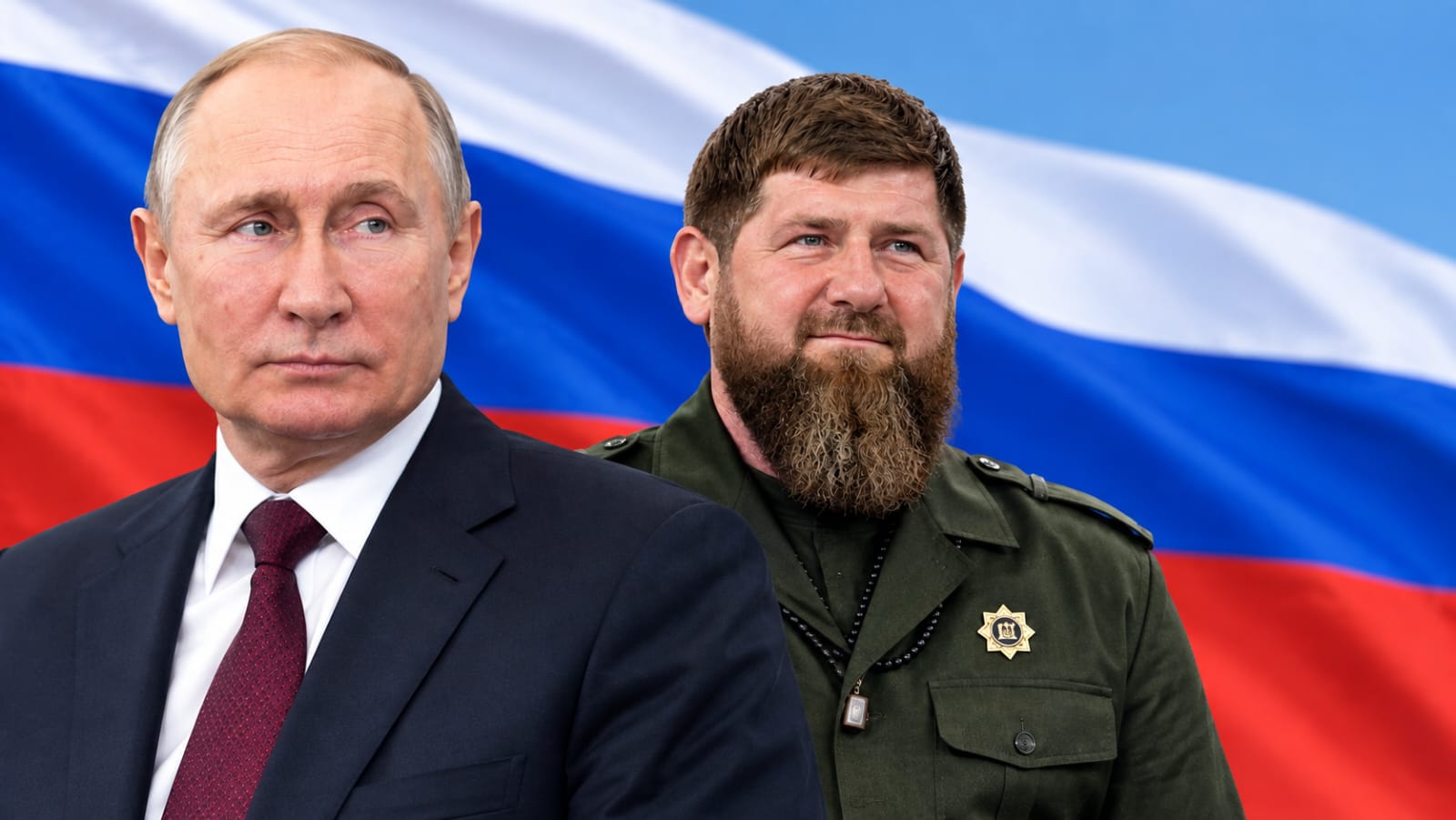
Russian President Vladimir Putin has publicly warned Armenia about the potential costs of moving closer to Europe. He has highlighted the economic benefits Armenia receives through its relationship with Russia and suggested that turning away from Moscow could have serious consequences.
In recent weeks, Russia has imposed restrictions on several Armenian exports. Products affected include flowers, mineral water, cognac, wine, vegetables, and fruit. These measures have raised concerns among Armenian businesses and farmers who rely heavily on the Russian market.
Russia remains Armenia's largest trading partner and accounts for a significant share of the country's foreign trade. Because of this dependence, economic restrictions can have a noticeable impact on Armenia's economy.
Experts in Armenia believe these trade restrictions are linked to the upcoming election. Many see them as an attempt by Moscow to influence public opinion by reminding voters of the economic risks associated with reducing ties to Russia.
Although Armenia still relies on Russia economically, its military dependence has decreased significantly. In recent years, Armenia has purchased more defense equipment from countries such as France, India, and China rather than relying mainly on Russian suppliers.
Energy remains another area where Russia holds significant influence. Armenia receives Russian natural gas at prices far below those found in European markets. This gives Moscow an important economic tool that could affect Armenia if relations deteriorate further.
Russia has also urged Armenia to hold a referendum on whether it wants to pursue European Union membership or remain firmly within the Russian-led Eurasian Economic Union. Pashinyan has avoided making a direct choice, saying that Armenia will continue working with existing regional organizations while keeping its long-term European ambitions alive.
The European Union has responded by offering support to Armenia. European Commission President Ursula von der Leyen recently announced financial assistance and promised help for Armenian exports affected by Russian restrictions.
The election campaign itself has been tense. Opposition figures accuse the government of using state resources to strengthen its campaign. Supporters of the government reject those accusations and argue that the opposition is trying to create instability.
Pashinyan's campaign slogan focuses on peace and a vision of a modern Armenia integrated with Europe. He presents himself as a leader trying to secure long-term stability and economic opportunities for the country.
For many voters, however, the choice is difficult. They must decide whether Armenia should continue moving closer to Europe despite potential economic costs or maintain stronger ties with Russia, which remains an important economic partner.
The election is therefore about much more than choosing a government. It is also a decision about Armenia's future direction, its foreign policy, and its place in a rapidly changing region.
As Armenians cast their votes, they will be deciding whether the country continues on Pashinyan's path toward Europe or moves back toward a closer partnership with Russia. The result could shape Armenia's political and economic future for many years to come.
Summary
Armenia is holding an important election on June 7 as Prime Minister Nikol Pashinyan seeks another term while continuing his plan to move the country closer to Europe. Russia has increased economic pressure on Armenia by restricting several Armenian exports, raising concerns about the cost of reducing dependence on Moscow. The election is seen as a choice between deeper ties with Europe or maintaining closer relations with Russia.
Content

×
![]()