
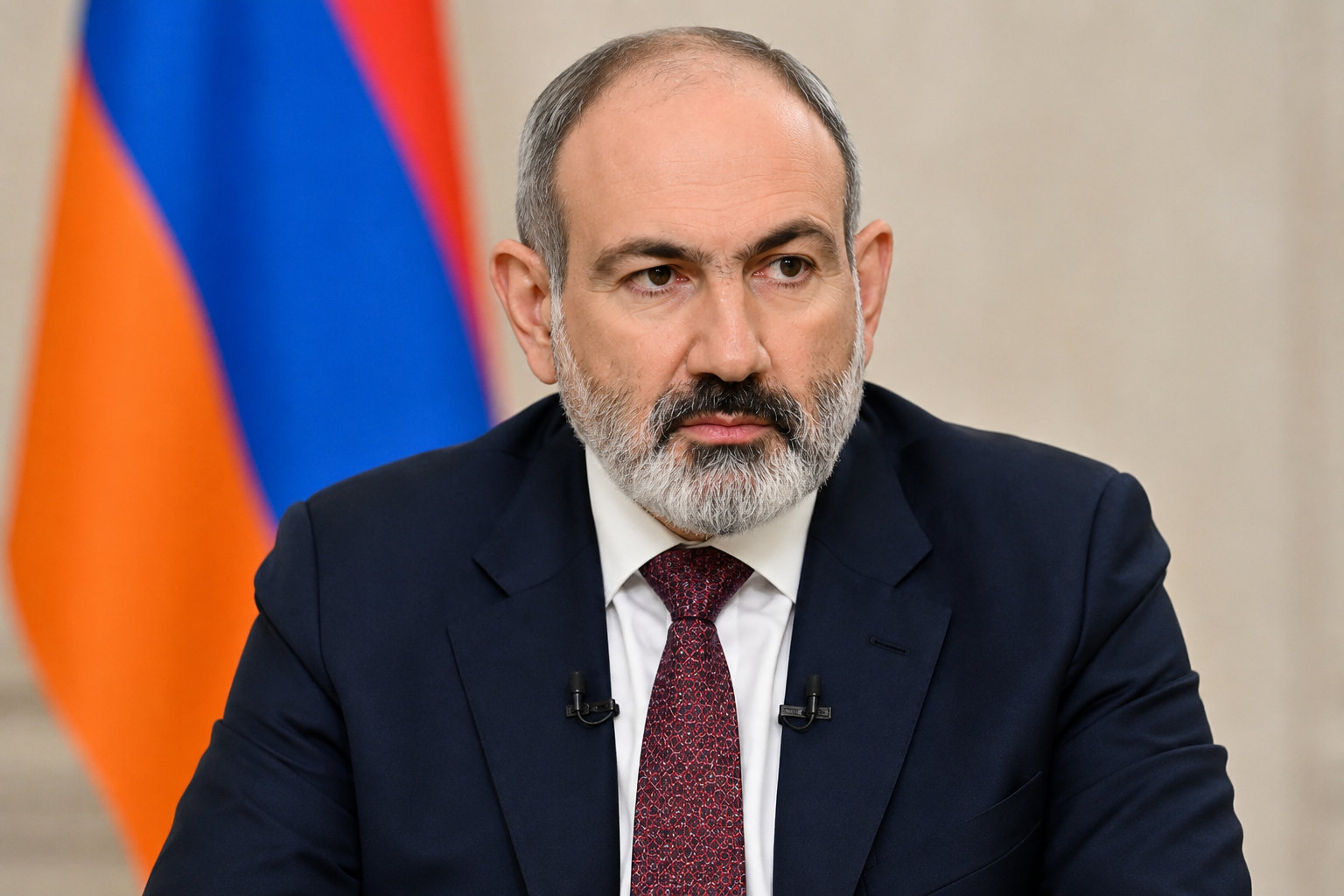
Armenia is holding an important national election that could shape the country's future direction for years to come. Voters are deciding whether to support Prime Minister Nikol Pashinyan and his pro-Western policies or back opposition groups that favor closer relations with Russia.
The election has attracted international attention because Armenia has increasingly moved closer to Europe and the United States in recent years. However, the country still maintains strong economic ties with Russia, which remains its largest trading partner.
Since coming to power in 2018, Pashinyan has worked to reduce Armenia's dependence on Moscow. His government passed legislation to begin the process of seeking membership in the European Union and has strengthened relations with Western countries.
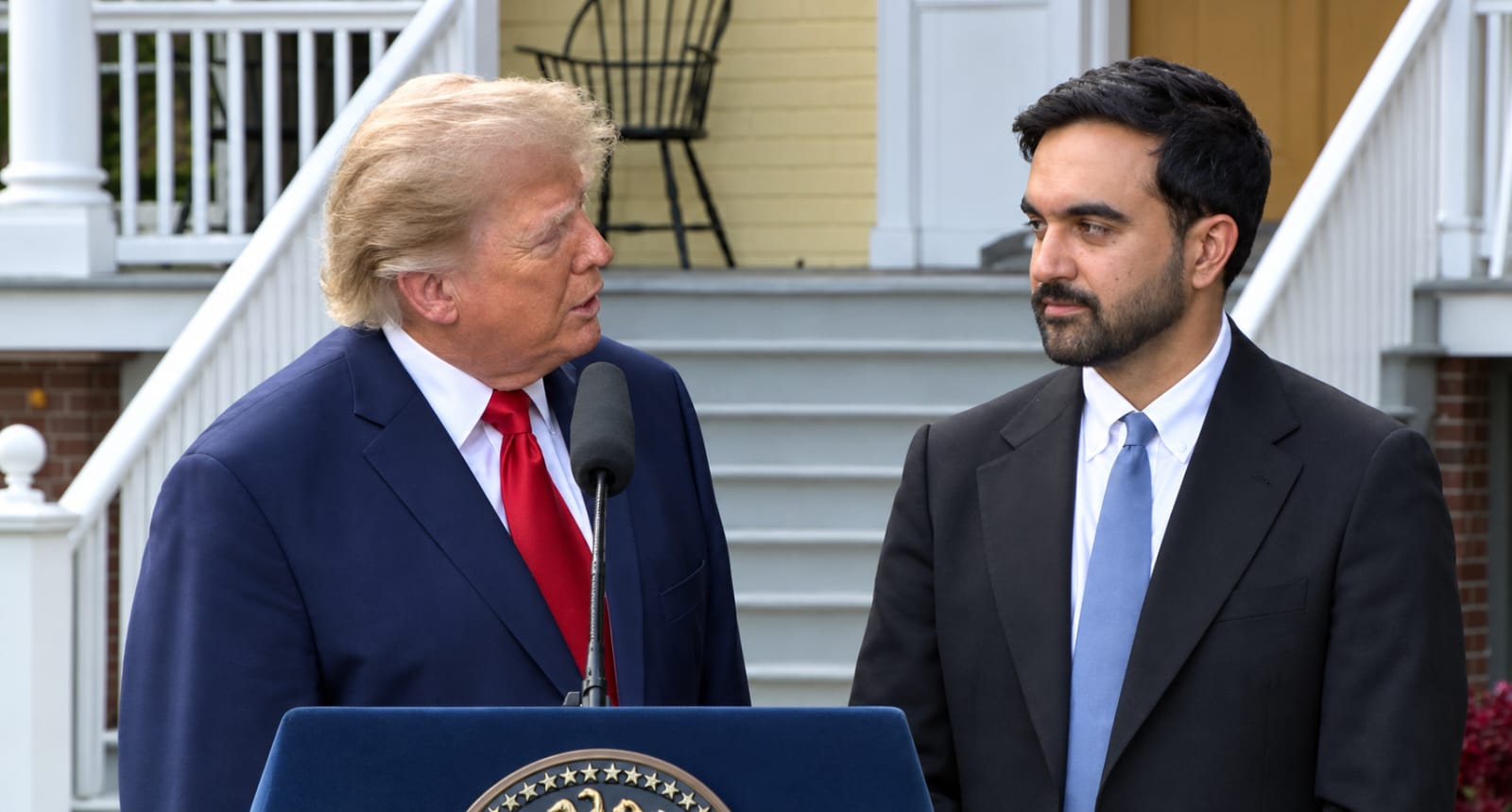
Pashinyan has also pushed for peace with neighboring Azerbaijan after years of conflict. A peace agreement supported by the United States helped improve relations between the two countries, earning praise from Donald Trump.
Despite these diplomatic achievements, support for Pashinyan has fallen significantly. One of the biggest reasons is the loss of the disputed region of Nagorno-Karabakh. In 2023, Azerbaijan regained control of the territory, leading to the departure of around 100,000 ethnic Armenians.
Many Armenians blame Pashinyan for making too many concessions during peace negotiations. Critics argue that he failed to do enough to protect Armenian interests and secure the release of former leaders of Nagorno-Karabakh who remain imprisoned in Azerbaijan.
The peace agreement itself remains highly controversial. Public opinion is deeply divided, with many citizens supporting efforts to avoid future conflict while others believe Armenia gave up too much.
Pashinyan's main political rival is businessman Samvel Karapetyan, who built his fortune in Russia. Karapetyan is currently under house arrest after being accused of plotting against the government. His campaign is being managed by family members and supporters.
Other opposition groups, including those linked to former presidents Robert Kocharyan and Serzh Sargsyan, argue that Armenia's security depends on restoring strong military and economic ties with Russia.
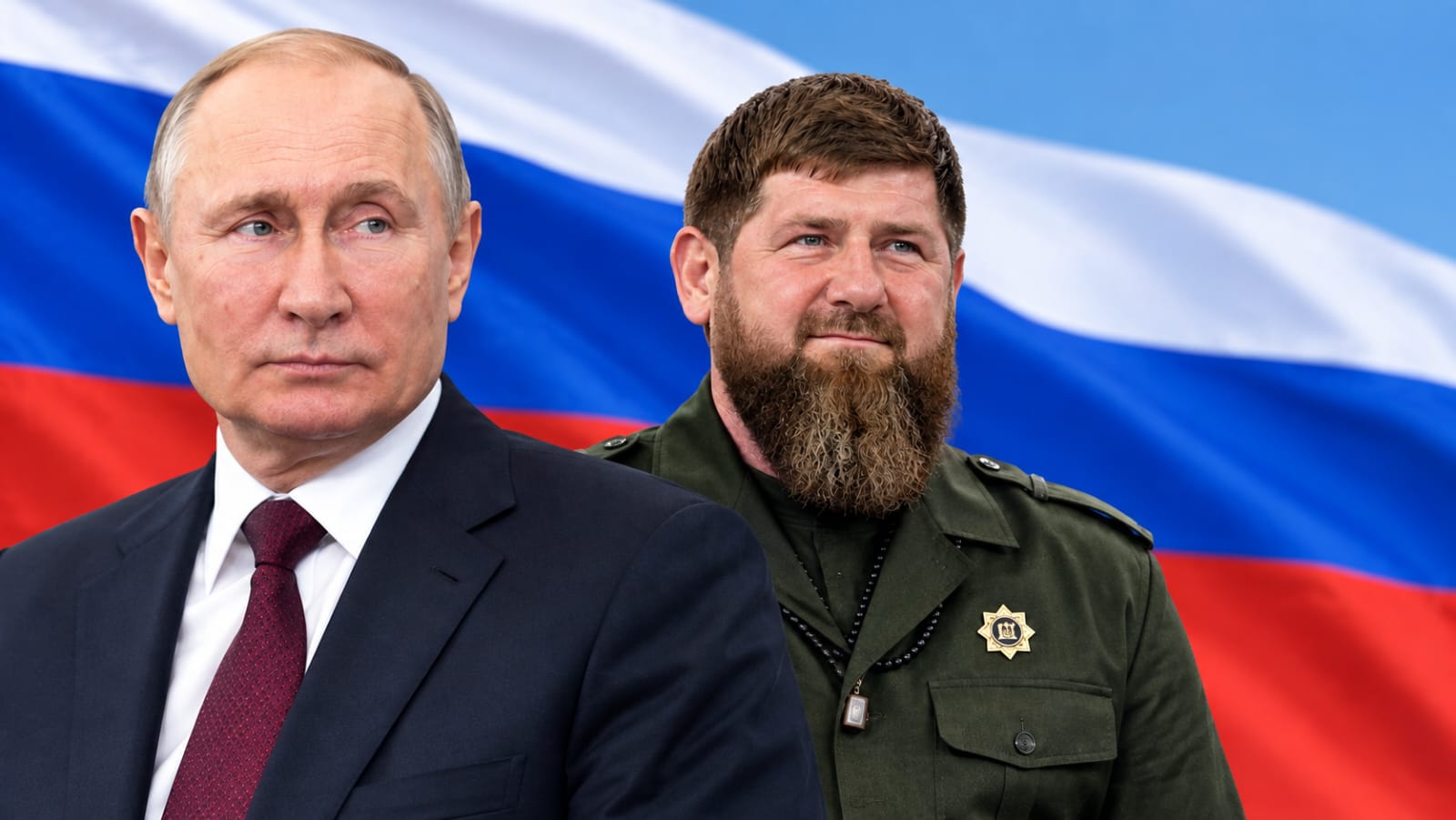
As the election approaches, Russia has increased pressure on Armenia. Russian President Vladimir Putin has warned that closer ties with Europe could harm Armenia's economy and suggested the country could lose important benefits if it moves away from Russian-led economic structures.
In recent weeks, Russia introduced restrictions on several Armenian exports, including flowers, mineral water, fruits, vegetables, wine, and cognac. These measures have affected important sectors of Armenia's economy and have been viewed by many analysts as an attempt to influence public opinion before the election.
Russia currently accounts for more than one-third of Armenia's foreign trade. The country also supplies Armenia with natural gas at prices significantly lower than those available on European markets. This gives Moscow considerable economic influence despite Armenia's efforts to diversify its international partnerships.
Armenian analysts believe Russia's strongest remaining tool is economic pressure. While Armenia has reduced its military dependence on Russia by purchasing equipment from countries such as India, France, and China, its economy remains closely connected to Russian markets.
Meanwhile, the European Union has shown support for Armenia's Western ambitions. European Commission President Ursula von der Leyen recently announced financial assistance worth €50 million to help Armenia deal with economic challenges and expand trade opportunities.
The election campaign has been tense and highly competitive. Opposition figures accuse the government of using state resources to strengthen its position, while supporters of Pashinyan argue that he is the best option for maintaining peace and modernizing the country.
Pashinyan has centered his campaign around the idea of a "Real Armenia" — a nation focused on peace, economic development, and stronger ties with Europe rather than dependence on Russia.
For many voters, however, the decision is not simple. While some support a European future, others worry about the economic consequences of moving away from Russia. Moscow's recent trade restrictions have highlighted how costly that transition could become.
The election therefore represents more than a contest between political parties. It is also a choice about Armenia's place in the world — whether it continues its gradual shift toward Europe or returns to a closer partnership with Russia.
As millions of Armenians cast their votes, the outcome could reshape the country's foreign policy, economy, and security strategy for years to come. The results will be closely watched not only in Yerevan but also in Moscow, Brussels, Washington, and across the wider Caucasus region.
Summary
Armenians are voting in a crucial election that could determine whether the country continues moving closer to Europe or strengthens ties with Russia again. Prime Minister Nikol Pashinyan is seeking re-election while facing economic pressure from Moscow and criticism at home over his handling of relations with Azerbaijan.
Content

×
![]()