
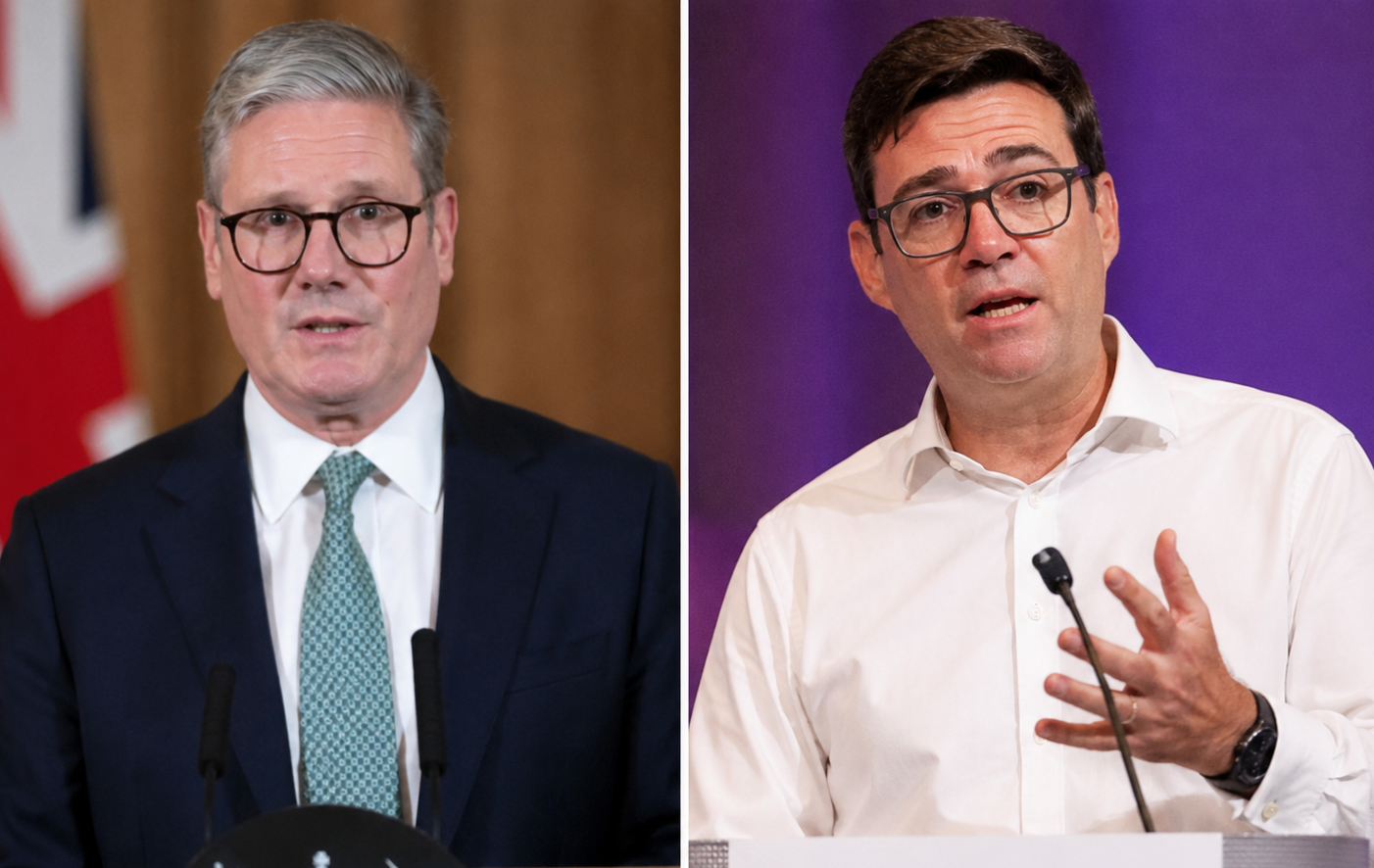
The political future of British Prime Minister Sir Keir Starmer has come under increasing pressure after Andy Burnham secured a convincing victory in the Makerfield by-election. Burnham’s success has encouraged many Labour Party members and MPs to discuss whether the party should prepare for a change in leadership.
Burnham, the former Mayor of Greater Manchester, won the Makerfield seat with an impressive result. He increased Labour’s share of the vote and defeated his nearest rival by more than 9,000 votes. His strong performance has led many within Labour to believe he could be the person to lead the party into the future.
Following the result, several Labour MPs began urging Starmer to consider setting a timetable for his departure from Downing Street. Some believe that a planned transition would be better for the party than a long and potentially damaging leadership contest. They argue that Burnham’s popularity and election success have created momentum that should not be ignored.
Despite the growing calls for change, Starmer has made it clear that he has no intention of stepping aside. Speaking after the by-election result, he said he was elected with a mandate to serve the country and still has important work to complete. He highlighted achievements such as improving economic stability and reducing immigration pressures. Starmer also stated that if a leadership contest takes place, he will participate and fight to remain leader.
The prime minister spent much of Friday speaking with senior cabinet ministers to assess the level of support he still has among his government colleagues. Reports suggest that some ministers have privately encouraged him to consider a transition plan. However, others continue to back him strongly and believe he remains the right person to lead the country.
One of the key moments for Starmer could come during the next cabinet meeting, where senior ministers will gather to discuss the government’s direction. Political observers believe that discussions behind closed doors could have a major impact on Labour’s future.
Meanwhile, Burnham has remained careful about directly challenging Starmer. After his victory, he focused on speaking about the future of the country rather than openly discussing leadership ambitions. He told supporters that Britain needs change and promised to continue working to make the country function better for ordinary people.
Many of Burnham’s allies have called for a calm and orderly process. They believe Labour should avoid internal conflict and instead focus on creating a clear plan for the future. Some supporters have suggested that Burnham has already proven his ability to win elections and connect with voters, making him a strong candidate for leadership.
The possibility of another leadership contender has also emerged. Health Secretary Wes Streeting is considered a potential challenger and is believed to have support from several MPs. However, some Labour figures think that if support continues to grow around Burnham, Streeting may decide not to enter the race.
Not everyone within Labour agrees that a leadership change is necessary. Several MPs and ministers continue to defend Starmer. They argue that changing leaders could distract the government from addressing important issues such as the cost of living, public services, economic growth, and national security. Supporters say that stability is important and point to recent political instability under previous governments as a warning.
The by-election result has also attracted attention from opposition parties. Reform UK leader Nigel Farage described the outcome as disappointing for his party and suggested that some voters supported Burnham mainly because they wanted to challenge Starmer’s leadership. Conservative Party leader Kemi Badenoch used the situation to criticize Labour, arguing that the party is becoming distracted by internal politics rather than focusing on everyday concerns facing British families.
Burnham’s return to Parliament is significant because it allows him to formally stand for the Labour leadership if he chooses. Under Labour rules, a challenger must secure support from a required number of MPs to trigger a contest. Political analysts believe Burnham would have little difficulty gaining enough backing if he decides to run.
As the weekend continues, attention is focused on Starmer’s next move. Some MPs are urging him to use the time to reflect and listen to advice from colleagues, ministers, and family members. Others insist he should remain leader and continue delivering on the promises made to voters.
The coming week is expected to be one of the most important periods of Starmer’s leadership. Whether he chooses to stay and fight, or eventually agree to a transition, the decisions made in the days ahead could shape the future of the Labour Party and British politics for years to come.
Politics
Starmer Faces Pressure to Step Down as Burnham’s By-Election Victory Sparks Leadership Debate
Summary
UK Prime Minister Sir Keir Starmer is facing growing pressure from members of the Labour Party after Andy Burnham won a major by-election victory in Makerfield. Many Labour MPs believe Burnham could become the party’s next leader and are calling for a smooth transition rather than a leadership battle. Starmer, however, says he will not resign and is prepared to fight any challenge. The coming days could be crucial for the future of Labour and the UK government.
Content
×
![]()