
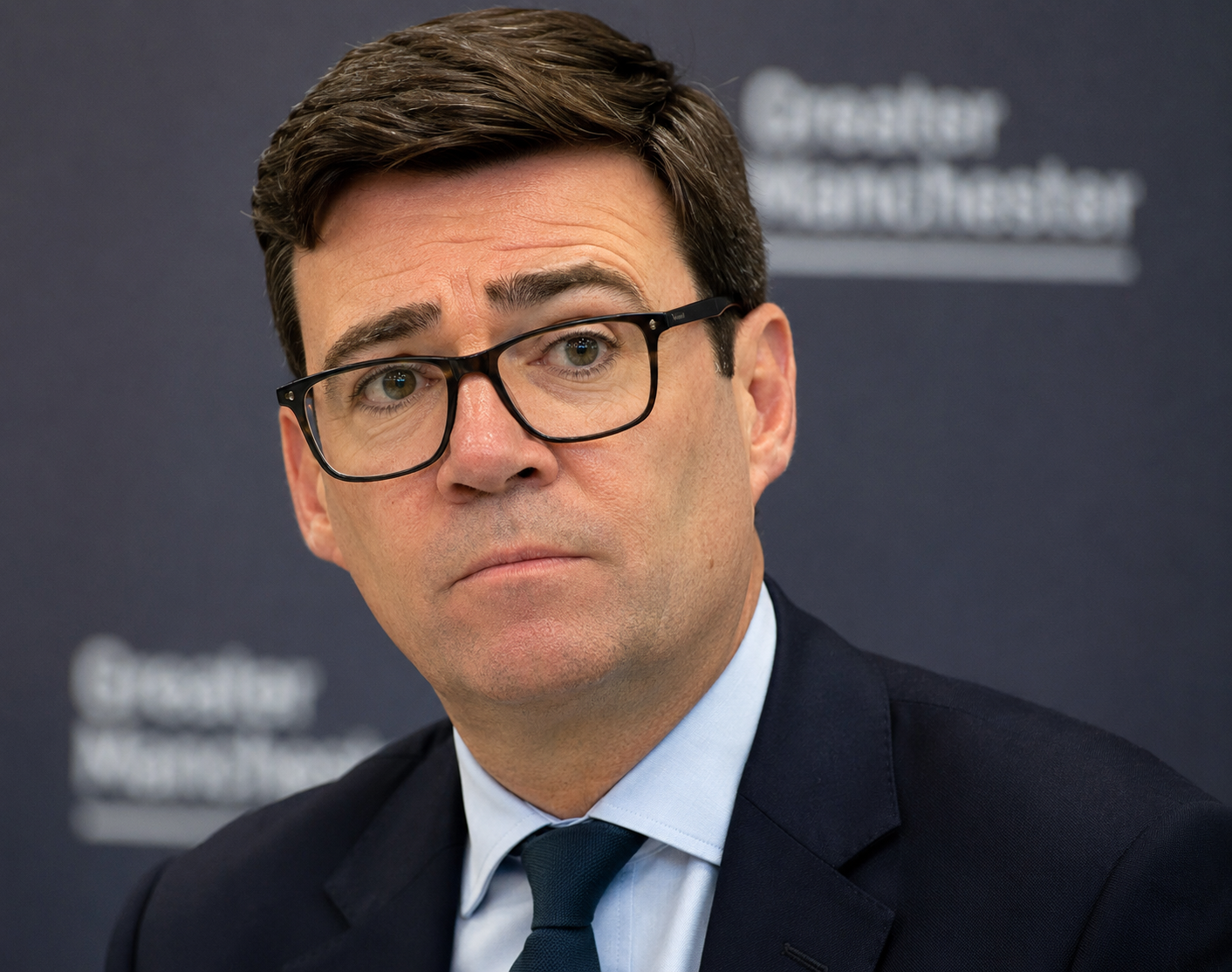
Andy Burnham is expected to become the next Prime Minister of the United Kingdom after receiving overwhelming support from Labour Party members of Parliament (MPs). A total of 322 out of 403 Labour MPs have already nominated him to become the party's new leader.
This means Burnham is only one nomination away from making it impossible for any other candidate to challenge him. A few MPs who were unable to vote have also said they plan to support him when Parliament meets again, making his victory almost certain.
If no other candidate joins the race before the nomination deadline, Burnham will automatically become Labour leader next week. He is then expected to officially become Prime Minister on 20 July, replacing Sir Keir Starmer.
Burnham's rise to the top has been one of the biggest political stories in Britain this year. Just a few weeks ago, he won a by-election in the Makerfield constituency, returning to Parliament after several years away. Before that, he served as the Mayor of Greater Manchester, where he became well known for speaking up on local issues and pushing for more powers for regional governments.
After receiving strong support from Labour MPs, Burnham thanked everyone who nominated him. He said he was "deeply grateful" and described the backing as a sign that many people in the party believe Britain needs a fresh direction.
According to Burnham, his goal is to change how the country is governed by giving more power to local communities instead of keeping too much control in London. He believes this would help improve public services, create jobs, and support economic growth across every part of the country.
Burnham has also spoken about creating a new government office in Manchester that would work alongside Downing Street. He says this would help bring decision-making closer to local communities and allow regional leaders to have a stronger voice on issues like housing, transport, and economic development.
Another important part of his plans is increasing public control over the country's water and energy sectors. While he has not yet explained exactly how this would work, he says he wants these essential services to better serve the public.
Recently, Burnham also addressed Labour's response to the war in Gaza. He admitted that the party did not respond well during the early stages of the conflict and said Labour needs to do better in the future. He promised to lead a government that listens more carefully and responds more openly to important international issues.
On defence, Burnham has said he supports increasing investment in the UK's armed forces. However, he believes the government should also be honest with the public about delays, rising costs, and challenges involving military projects. He has not announced a specific defence spending target but says national security will remain a priority.
Burnham's leadership campaign became even stronger after former defence minister Al Carns decided not to run for the Labour leadership. With no other major candidate expected to enter the race, Burnham is likely to become leader without a vote among party members.
This would allow him to take office much faster, avoiding a long leadership contest during the summer.
Current Prime Minister Sir Keir Starmer has also spoken positively about Burnham. He said he has known Burnham for many years and believes he would make a good Prime Minister. Starmer recently announced his resignation as Labour leader after facing pressure following disappointing election results and criticism from within the party.
Burnham has previously tried to become Labour leader twice before, in 2010 and 2015, but was unsuccessful on both occasions. This time, however, he has gained strong support from MPs across different groups within the party.
Although many Labour MPs support him, some members have asked Burnham to explain more details about his future policies before he officially takes office. Since he spent several years serving as Mayor of Greater Manchester rather than working in Parliament, some newer MPs want to hear more about his plans for leading the country.
Burnham is expected to answer questions from Labour MPs during a parliamentary meeting before officially becoming leader. At the same time, he has already started preparing for government by holding discussions with senior civil servants about his policy priorities.
If everything goes as expected, Andy Burnham will become the new Labour leader and the next Prime Minister of the United Kingdom on 20 July. His leadership is expected to focus on giving more power to local communities, improving public services, supporting economic growth across the country, strengthening national defence, and bringing a different style of leadership to British politics. Many political observers believe his appointment could mark the beginning of a new chapter for both the Labour Party and the UK government.
Summary
Andy Burnham is close to becoming the new leader of the Labour Party and the next Prime Minister of the United Kingdom. More than 320 Labour MPs have backed him, making it very likely that he will take the job without facing another candidate. If no one else enters the race, Burnham is expected to officially become Labour leader next week and take office as Prime Minister on 20 July.
Content
×
![]()