
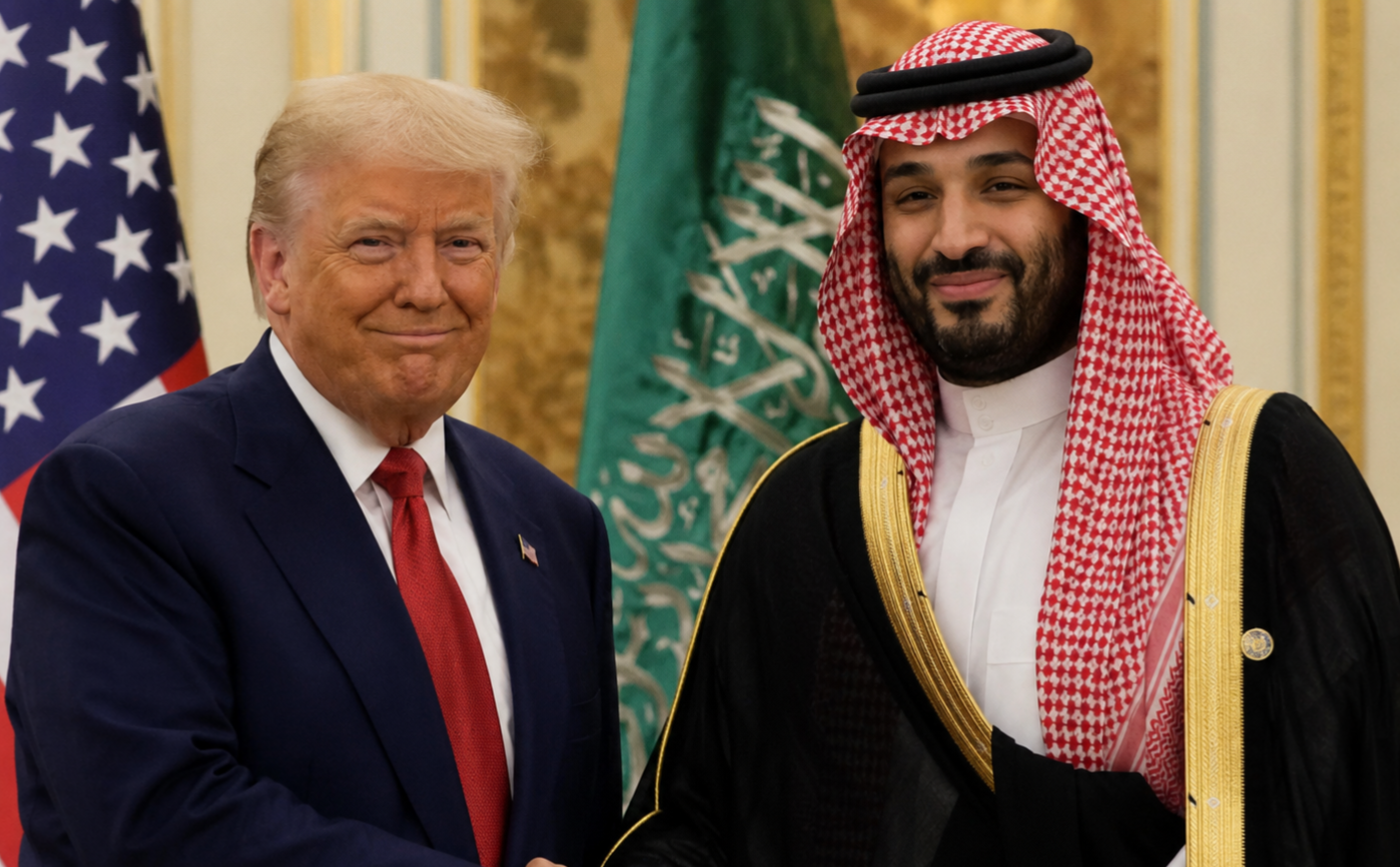
The United States and Saudi Arabia have signed a major nuclear energy agreement that could shape the future of energy and politics in the Middle East for decades. The deal, announced by the US Department of Energy, creates a framework for cooperation between the two countries on peaceful nuclear energy projects and opens the door for American companies to participate in Saudi Arabia’s growing nuclear sector.
US Energy Secretary Chris Wright and Saudi Energy Minister Prince Abdulaziz bin Salman signed the agreement. According to officials from both countries, the deal focuses on the peaceful use of nuclear energy and includes measures related to nuclear safety, security, and non-proliferation.
The agreement has been described as a historic step in US-Saudi relations. For years, Saudi Arabia has sought access to American nuclear technology as part of its long-term plan to diversify its economy and reduce dependence on oil. The kingdom has invested heavily in new industries and technologies under its Vision 2030 development plan, and nuclear power is seen as an important part of that strategy.
Saudi Arabia argues that nuclear energy will help meet rising electricity demand while reducing the amount of oil and natural gas used to generate power. The country currently consumes large amounts of its own energy resources to meet domestic needs. By developing nuclear power plants, Saudi Arabia hopes to free up more oil for export and support future economic growth.
The US government says the agreement will create significant business opportunities for American companies. Officials describe it as the beginning of a long-term partnership that could be worth billions of dollars. American firms are expected to help build and operate nuclear facilities and provide advanced technology and expertise.
Reports suggest that Westinghouse Electric Company, a major US nuclear technology firm, may play a key role in future projects connected to the agreement. Company officials welcomed the deal, saying it could strengthen energy security and bring economic benefits to both countries.
Despite the positive reaction from supporters, the agreement has sparked debate in Washington and across the Middle East. Critics are concerned that some reported details of the deal could allow Saudi Arabia to enrich uranium on its own territory.
Uranium enrichment is a process used to produce fuel for nuclear power plants. However, the same technology can potentially be used to create material for nuclear weapons if enrichment levels are increased significantly. Because of this risk, uranium enrichment is often one of the most sensitive issues in nuclear agreements.
Some lawmakers and experts fear that allowing Saudi Arabia to enrich uranium could increase the risk of nuclear proliferation in the region. Democratic Congressman John Garamendi called the agreement a serious mistake and warned that it could move the world closer to a new arms race in the Middle East.
Other critics argue that previous US nuclear agreements included stricter safeguards. They point to a 2009 agreement between the United States and the United Arab Emirates, which prohibited the UAE from producing its own uranium and required strong international oversight.
Supporters of the Saudi deal disagree with those concerns. They argue that Saudi Arabia remains an important US partner and that cooperation with Washington is better than allowing competitors such as China or Russia to dominate the kingdom’s nuclear sector.
Analysts note that both China and Russia have been expanding their influence in the global nuclear energy market. Russia has already helped build nuclear facilities in countries such as Egypt and Turkey, while China has also sought closer nuclear cooperation with Saudi Arabia. Some experts believe the United States wants to ensure that American companies remain competitive in this strategic industry.
Another reason for concern is the ongoing tension with Iran. The region has experienced years of conflict and disputes related to Iran’s nuclear program. Some observers worry that if Saudi Arabia develops advanced nuclear capabilities, Iran could view this as a threat. Others fear that if Iran eventually acquires a nuclear weapon, Saudi Arabia may feel pressured to seek similar capabilities as a deterrent.
Saudi officials insist that their nuclear program is intended only for peaceful purposes. They say the agreement promotes cooperation on nuclear safety, security, and non-proliferation and reflects a shared commitment to responsible development.
Experts also point out that even if Saudi Arabia begins building nuclear power plants soon, it could take many years before those facilities become operational. Developing a full civilian nuclear energy sector is a complex process that requires significant investment, infrastructure, and technical expertise.
The agreement will now undergo review in the US Congress. While some lawmakers are expected to oppose it, analysts believe opponents may not have enough votes to stop the deal from moving forward.
The new US-Saudi nuclear agreement marks an important moment in Middle Eastern politics and energy development. Supporters see it as a major economic and strategic partnership that will strengthen ties between two long-time allies. Critics, however, remain concerned about the long-term security implications and the possibility that advanced nuclear technology could contribute to future tensions in the region. As more details of the agreement become public, the debate over its benefits and risks is likely to continue.
Summary
The United States and Saudi Arabia have signed a landmark nuclear energy agreement that will allow American companies to play a major role in Saudi Arabia’s civilian nuclear program. Supporters say the deal will strengthen economic ties, improve energy security, and help Saudi Arabia diversify its energy sources. However, critics worry that parts of the agreement could eventually increase the risk of nuclear weapons development in the Middle East if Saudi Arabia gains the ability to enrich uranium.
Content


×
![]()