
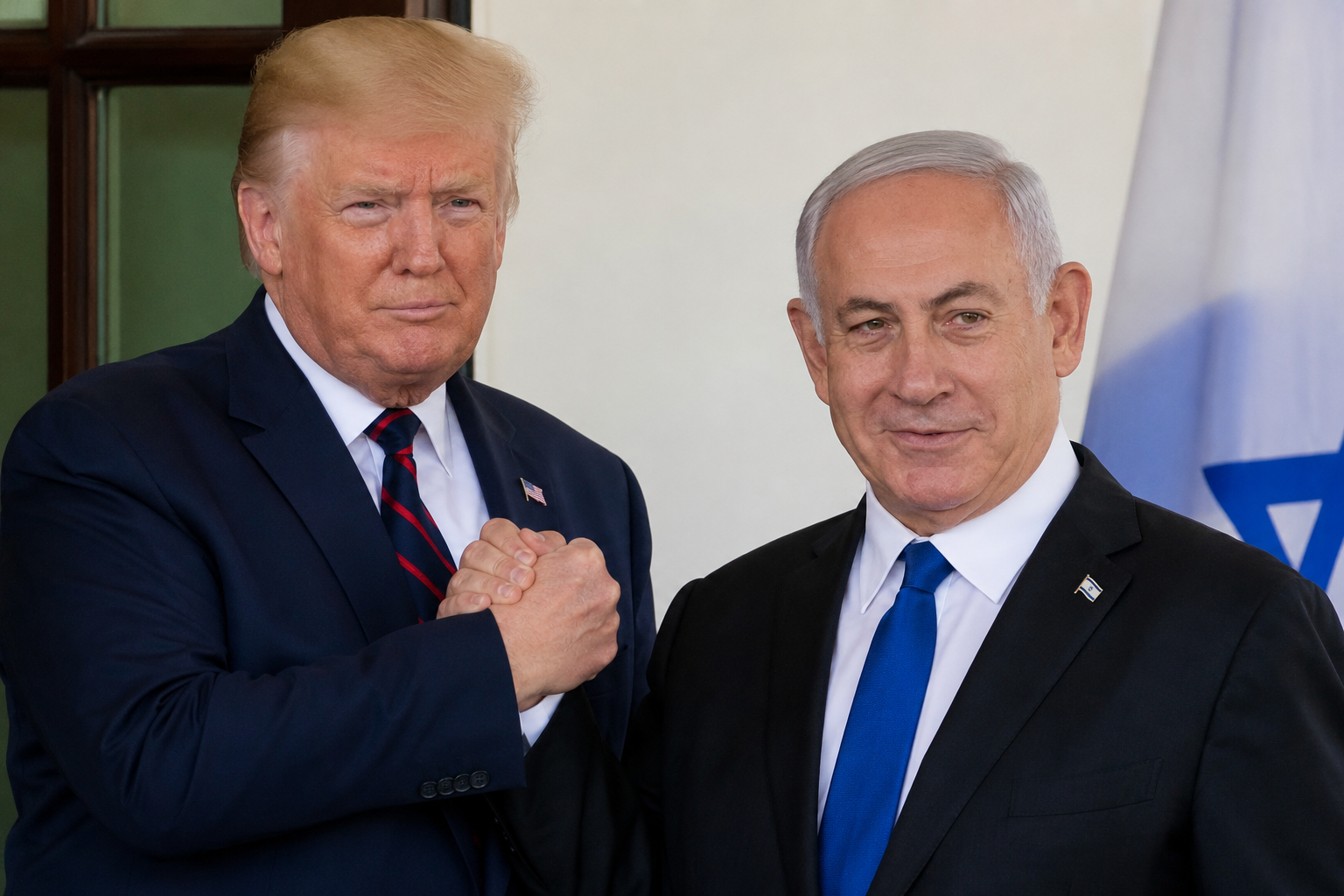
Israeli Prime Minister Benjamin Netanyahu has often highlighted his close relationship with U.S. President Donald Trump as one of his biggest political strengths. For many years, Netanyahu argued that his personal connection with American leaders helped Israel receive strong military, political, and diplomatic support from Washington.
Netanyahu spent part of his youth in the United States and speaks fluent English with an American accent. Over the years, he built relationships with several U.S. presidents and often presented himself as the Israeli leader who understood American politics better than anyone else.
When Donald Trump returned to the White House, many believed that the relationship between the two leaders was stronger than ever. Trump supported several Israeli policies and even agreed to work closely with Israel during the recent conflict involving Iran. This strengthened Netanyahu’s image at home, where he claimed that no other Israeli leader could maintain such close ties with Washington.
However, recent events have raised questions about whether that influence is beginning to weaken.
The war involving Iran did not produce the quick results many had expected. Reports suggested that Netanyahu strongly encouraged Trump to support military action by arguing that Iran could be weakened and even face political collapse. As the conflict became more difficult and complicated, some American politicians and commentators started criticizing Netanyahu's role in influencing U.S. decisions.
At the same time, President Trump has shown a greater willingness to make important decisions in the Middle East without always following Israel’s preferences. His administration has reportedly explored improving relations with regional countries, including Saudi Arabia and Türkiye, even when those moves caused concern in Israel.
One major issue has been Washington’s reported consideration of selling advanced F-35 fighter jets to Türkiye. Israeli officials have expressed concerns about such a sale because they believe it could affect Israel’s military advantage in the region. Trump, however, responded firmly when asked about the issue, saying that no one tells him what military equipment the United States should sell.
Another issue creating tension is the growing discussion about possible nuclear cooperation between the United States and Saudi Arabia. While Israel has traditionally been cautious about such agreements, Washington appears willing to continue talks as part of its broader regional strategy.
Netanyahu’s visit to Washington is therefore seen by many political observers as more than just a routine diplomatic meeting. It is also viewed as an important political moment for the Israeli prime minister.
Israel is expected to hold elections later this year, and Netanyahu is also continuing to face an ongoing corruption trial. Because of these challenges, appearing alongside President Trump could help him show Israeli voters that he still enjoys strong international support.
Political analysts believe that photographs, public statements, and positive meetings with Trump could improve Netanyahu’s image before the election campaign becomes more intense.
However, some experts believe the situation has changed significantly compared to previous years.
Several well-known conservative voices in the United States have become more critical of Netanyahu. Some Republican commentators and politicians who were once strong supporters of Israel have questioned his leadership, especially after the Iran conflict.
There have also been reports of disagreements inside the Trump administration. Some officials have suggested that parts of the Israeli government made diplomatic efforts more difficult during attempts to reduce tensions with Iran.
Because of these developments, analysts say that while Trump and Netanyahu are still likely to appear friendly in public, private discussions may be more complicated than before.
Former Israeli diplomats and political experts believe that Netanyahu’s visit is aimed at reassuring both his supporters and critics that his relationship with Trump remains strong. At the same time, they argue that Trump may now be focusing more on advancing American interests, even when they do not fully match Israel’s preferences.
Some observers also believe that Trump could eventually support new political leadership in Israel if he thinks it would better serve U.S. goals in the region. While there is no official indication that such a change is planned, the possibility has become part of political discussion in both Israel and the United States.
Despite these questions, the United States and Israel continue to maintain a close strategic partnership. The two countries cooperate on defense, intelligence, technology, and regional security, and those long-standing ties remain important regardless of political disagreements between individual leaders.
Netanyahu continues to argue that he is the best person to manage Israel’s relationship with Washington. Whether Israeli voters continue to believe that message may become clearer as the country moves closer to its upcoming elections.
For now, many analysts see Netanyahu’s Washington visit as an important test. If he is able to demonstrate that he still has Trump’s confidence, it could strengthen his political position at home. If the meeting instead highlights growing differences between the two leaders, it may add to the challenges he already faces from political rivals, legal troubles, and changing public opinion.
The outcome of the visit is therefore being closely watched not only in Israel and the United States but also across the Middle East, where decisions made by both governments continue to shape regional politics and security.
Summary
Israeli Prime Minister Benjamin Netanyahu has long said that his close relationship with U.S. President Donald Trump makes him the best leader to protect Israel’s interests. However, after the recent war with Iran and growing disagreements between Washington and Jerusalem, many analysts believe that Netanyahu’s influence in the United States is not as strong as it once was. His latest visit to Washington is seen as an attempt to rebuild that relationship before Israel's upcoming elections.
Content
×
![]()