
Saudi Arabia is facing one of its biggest security challenges in recent years as the conflict between the United States and Iran continues to spread across the Middle East. While the Kingdom has tried to stay out of the fighting, recent attacks have forced it to respond.
According to reports, Saudi Arabia recently joined the United States in carrying out air strikes against Iran-backed armed groups in Iraq. Saudi officials believe these groups were responsible for launching several drone attacks targeting the Kingdom. The joint operation marks a significant step for Saudi Arabia, which has largely avoided becoming directly involved in the wider conflict.
Saudi leaders are now faced with a difficult choice. They can continue responding with military force in an attempt to stop future attacks, or they can focus on diplomacy and negotiations to reduce tensions. Both options carry risks, and the decisions made in the coming weeks could shape the future of the region.
The conflict involves several groups across the Middle East. Iran supports organizations such as the Islamic Revolutionary Guard Corps (IRGC), the Houthis in Yemen, armed groups in Iraq, and Hezbollah in Lebanon. On the other side are the United States, its Central Command (CENTCOM), and several regional partners, including Saudi Arabia and Jordan.
In recent months, attacks have spread beyond direct clashes between Iran and the US. Reports say drones and missiles have targeted countries including Jordan, Kuwait, Bahrain, and Saudi Arabia. Commercial shipping has also been affected, especially around the Strait of Hormuz, one of the world's most important oil routes.
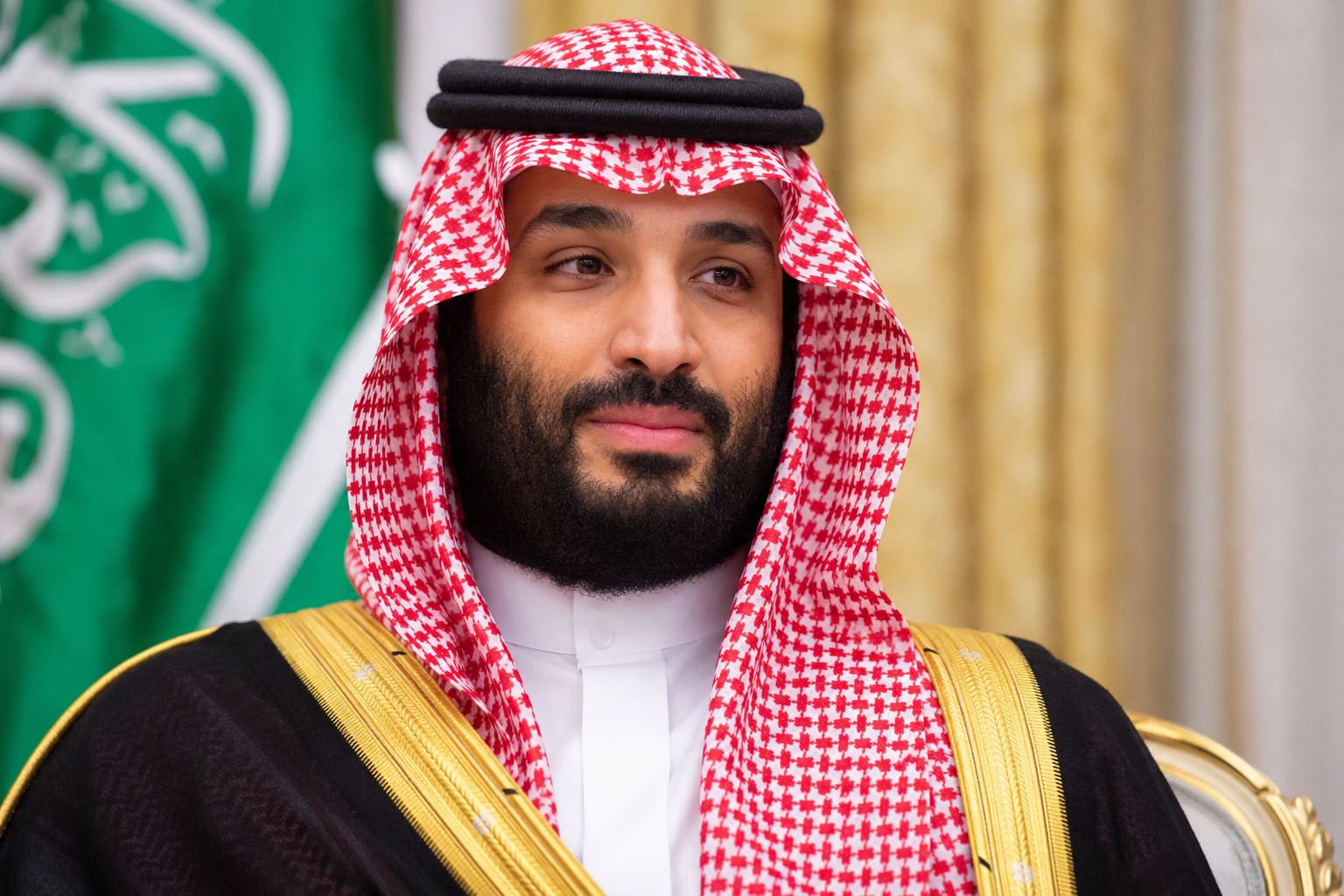
Saudi Arabia has strong reasons for wanting to avoid a long war. Crown Prince Mohammed bin Salman is leading an ambitious economic plan known as Vision 2030. The project aims to reduce the country's dependence on oil by expanding industries such as tourism, technology, entertainment, and manufacturing. The government is also investing in large infrastructure projects, smart cities, and data centers to attract foreign investors.
However, these plans depend on stability and security. Frequent drone and missile attacks could discourage investment and damage important facilities. Investors are less likely to commit money to projects if they believe the region is becoming increasingly dangerous.
Saudi Arabia has experienced similar threats before. In 2019, major oil facilities at Abqaiq and Khurais were attacked by drones and missiles, temporarily reducing Saudi oil production. The incident highlighted how vulnerable critical infrastructure could be during regional conflicts.
More recently, reports suggest that the Abqaiq oil facility was once again targeted by drones launched by Iran-backed groups. These attacks have increased concerns about protecting Saudi Arabia's energy industry, which remains a key part of its economy despite efforts to diversify.
Another major concern is the Strait of Hormuz. This narrow waterway is one of the world's busiest shipping routes, with a large share of global oil and liquefied natural gas passing through it every day. Any disruption in the area can affect energy supplies and increase oil prices worldwide.
To reduce its dependence on the Strait of Hormuz, Saudi Arabia has used its east-west pipeline to transport oil across the country to the Red Sea port of Yanbu. From there, oil can be shipped to international markets without passing through the Strait.
However, this alternative route has also come under pressure. After Saudi-backed forces reportedly carried out strikes near Yemen's capital, Sanaa, the Houthi movement responded by launching attacks on Saudi airports and commercial shipping in the Red Sea. These attacks have made the Bab el-Mandeb Strait increasingly dangerous for ships, creating another challenge for Saudi oil exports.
The Kingdom has already spent years fighting the Houthis in Yemen. Despite a long military campaign, the conflict ended without a clear victory, and both sides later agreed to a fragile truce. Renewed fighting now raises concerns that the region could once again face a prolonged conflict.
As tensions continue to rise, Saudi Arabia is trying to balance its security needs with its long-term economic goals. Military action may help deter future attacks, but it also risks escalating the conflict. Diplomatic efforts could reduce tensions, but success is far from guaranteed.
The coming months are expected to be critical for Saudi Arabia as it works to protect its borders, secure its energy infrastructure, maintain investor confidence, and continue pursuing Vision 2030 while navigating one of the Middle East's most complex and dangerous regional crises.
Summary
Saudi Arabia is trying to avoid getting pulled deeper into the conflict between the United States and Iran. However, after facing repeated drone and missile attacks from Iran-backed groups, the Kingdom has joined the US in carrying out strikes on armed groups in Iraq. Saudi leaders now face a difficult decision between responding with more military action or trying to reduce tensions through diplomacy while protecting the country's economy and Vision 2030 development plan.
Content


×
![]()