
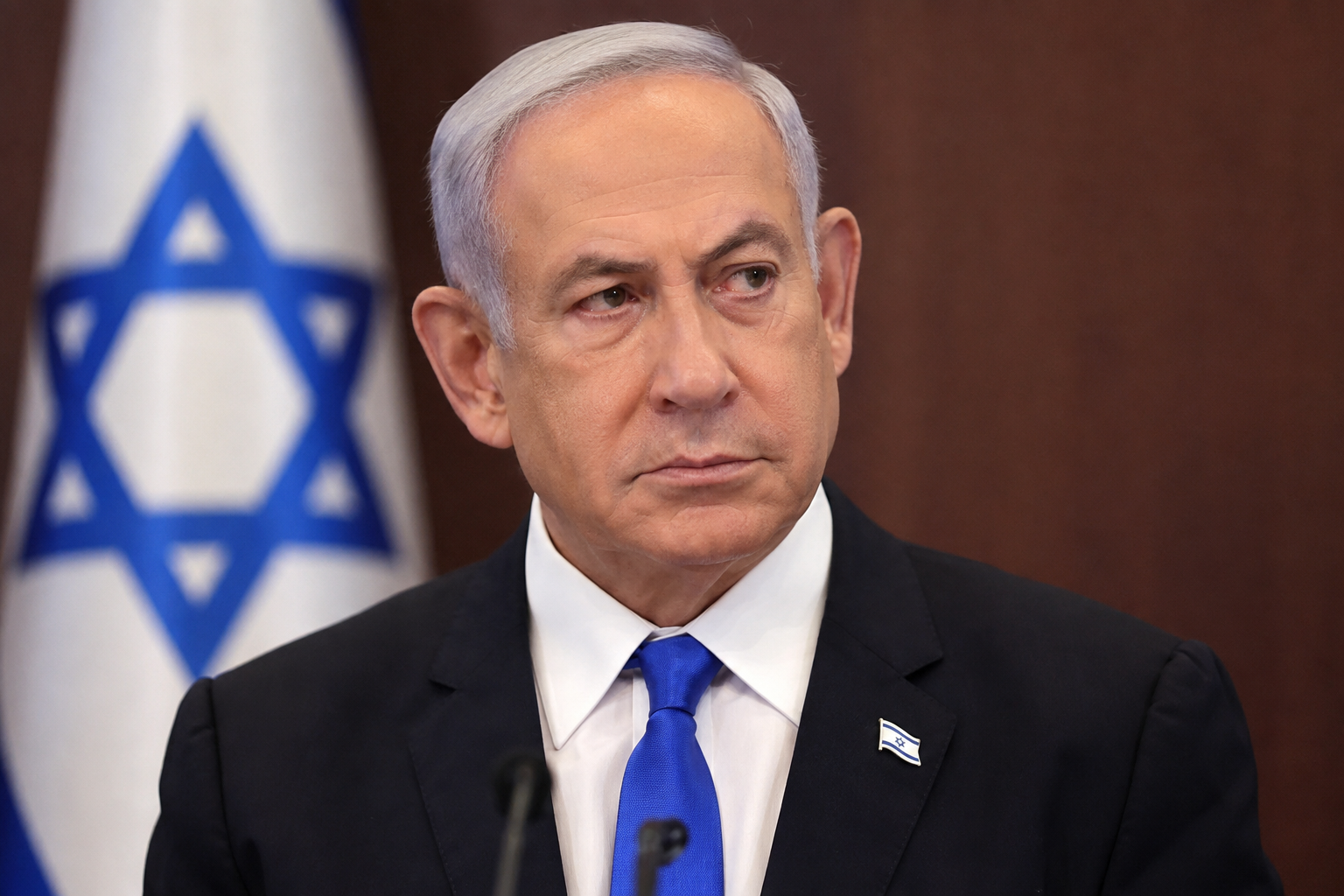
Israeli Prime Minister Benjamin Netanyahu has said he disagrees with parts of US President Donald Trump’s new Gaza peace plan. His comments come after Trump announced what he called a historic agreement aimed at ending the fighting in Gaza and bringing long-term stability to the region.
Speaking after a meeting with Nickolay Mladenov, the lead envoy for Trump’s Board of Peace, Netanyahu said there are clear differences between his government and the US administration.
“There are disagreements with President Trump that I don’t hide regarding the recent agreement with Hamas,” Netanyahu said. He stressed that Hamas must completely give up its weapons and that Gaza must be fully demilitarised before any rebuilding work begins.
According to Netanyahu, Israel believes that removing Hamas’s military power is necessary to prevent future attacks and to improve security. He said reconstruction should only happen after Hamas is fully disarmed.
Last week, President Trump announced that the Board of Peace had reached an agreement with Hamas. Trump described the deal as a major breakthrough that could help end the conflict in Gaza after months of violence.
Under the original agreement, Hamas would gradually disarm while Israeli forces would slowly withdraw from Gaza in stages. The plan also included steps to begin rebuilding homes, hospitals, schools, and other important infrastructure damaged during the war.
The agreement was designed to link each stage of Hamas’s disarmament with a gradual withdrawal of Israeli troops. Supporters of the plan believe this step-by-step approach could build trust between both sides and reduce the chances of renewed fighting.
However, Netanyahu’s latest comments show that Israel wants a different order of events. Instead of a gradual process, Israel says Hamas should first completely disarm before Israeli forces leave Gaza.
Following criticism from Israeli officials, the Board of Peace later clarified its position. It said Hamas must fully disarm before Israel withdraws its military from Gaza. This updated position appears to be closer to what Netanyahu has been demanding.
The disagreement highlights the challenges facing international efforts to end the conflict. While both the United States and Israel say they want peace and stability, they differ on how the process should happen.
The Gaza war has caused widespread destruction across the territory. Thousands of buildings have been damaged or destroyed, and many families have lost their homes. Basic services, including healthcare, electricity, and clean water, have also been severely affected.
Many international organisations have called for a lasting ceasefire and increased humanitarian aid for civilians in Gaza. They also support efforts to rebuild the territory once security conditions allow.
For Hamas, the issue of disarmament remains one of the most sensitive parts of any peace agreement. The group has not publicly accepted all of Israel’s demands, and negotiations are expected to remain difficult.
Diplomatic talks are likely to continue in the coming weeks as mediators try to find common ground between the different sides. Any final agreement would need to address security concerns, humanitarian needs, and the future governance of Gaza.
Political analysts say disagreements between close allies such as the United States and Israel are not unusual, especially on complex issues involving security and peace negotiations. However, they also note that both countries continue to work closely together despite these differences.
The coming weeks will be important in determining whether the proposed peace plan can move forward. Much will depend on whether negotiators can reach agreement on the timing of Hamas’s disarmament, the withdrawal of Israeli forces, and the start of Gaza’s reconstruction.
For now, Netanyahu has made it clear that Israel’s position remains unchanged. He says Hamas must be fully disarmed and Gaza must be demilitarised before reconstruction begins or Israeli troops leave the territory. Meanwhile, the United States continues to support diplomatic efforts to achieve a lasting peace and improve conditions for civilians affected by the conflict.
Summary
Israeli Prime Minister Benjamin Netanyahu says he disagrees with US President Donald Trump over the recent Gaza peace agreement. Netanyahu insists Hamas must fully disarm and Gaza must be demilitarised before any reconstruction begins or Israeli troops leave the area. Trump had earlier announced a peace deal that would gradually lead to Hamas disarming and Israeli forces withdrawing from Gaza.
Content
×
![]()