
Trump Faces Growing Political Challenges at Home and Abroad
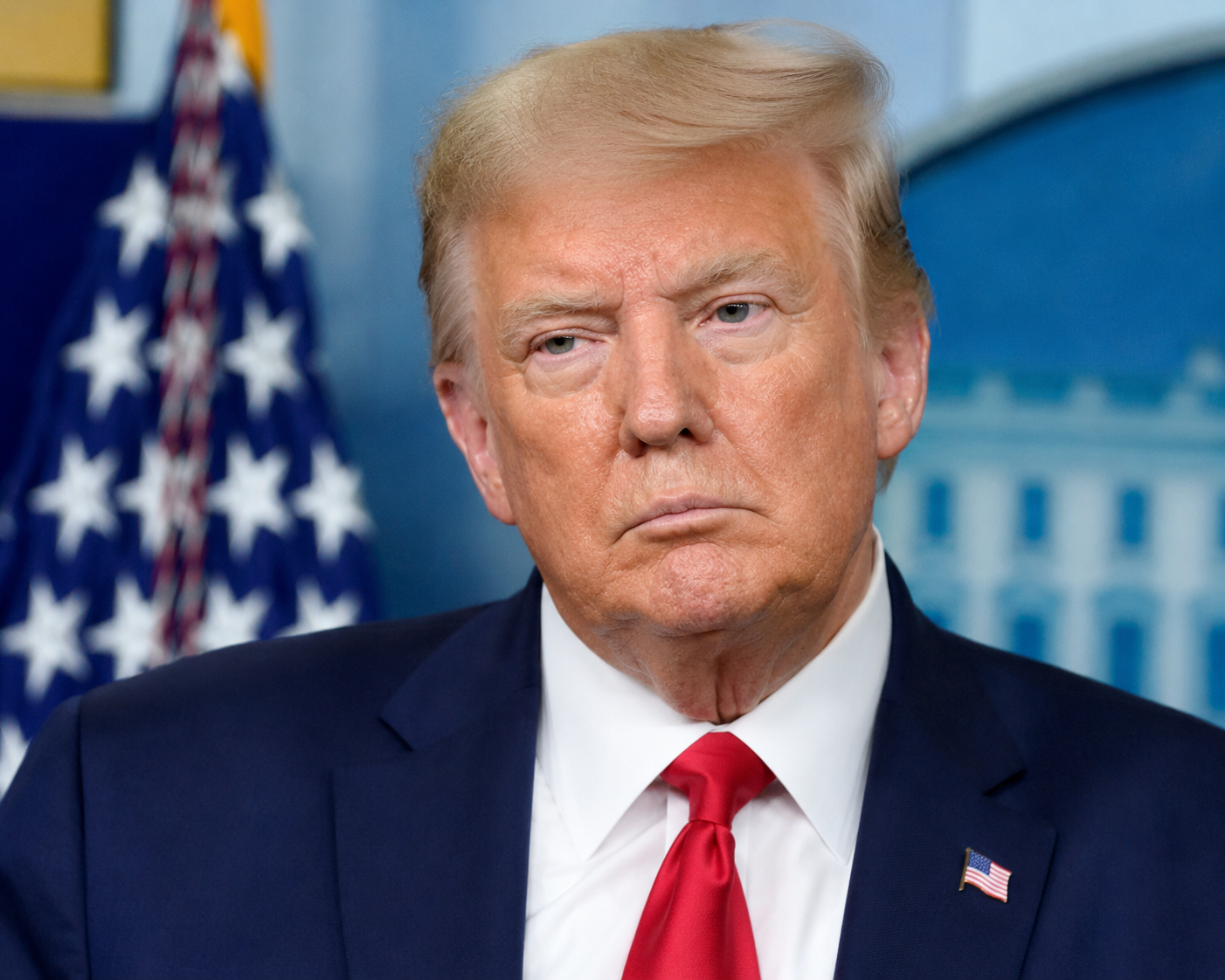
US President Donald Trump is facing a difficult period as several political, legal, and international issues put pressure on his administration. In recent days, he has had disagreements with some of his closest allies, faced problems with a major government appointment, and continued to deal with the complicated conflict involving Iran. These challenges come at an important time, with the US congressional midterm elections only a few months away.
One of the biggest recent disagreements involved Jeanine Pirro, the acting US Attorney for Washington, DC, and a longtime supporter of Trump. Pirro decided to drop criminal charges against former Olympic athlete David Hearn, who had been accused of damaging the Reflecting Pool near the Washington Monument. After reviewing the evidence, prosecutors concluded that the damage was caused by poor construction work rather than intentional vandalism.
President Trump strongly disagreed with that decision. He had publicly supported the claim that the damage was deliberate and criticized Pirro after the charges were dropped. Speaking to reporters, Trump said she had "folded like an umbrella," showing his frustration with her decision. The disagreement surprised many because Pirro has long been one of Trump's most loyal political allies.
Another challenge for the president came in the US Senate. Todd Blanche, Trump's former personal lawyer and his choice to become the next Attorney General, faced opposition from both Democrats and some Republican senators. The main concern was a proposed $1.8 billion compensation fund that critics believed could benefit people who claimed they had been unfairly prosecuted by the government, including some connected to the January 6, 2021, Capitol riot.
Republican Senators John Cornyn and Thom Tillis refused to support Blanche's nomination unless he officially rejected the proposed fund. To move his nomination forward, Blanche later signed letters confirming that he would no longer support the plan. The senators accepted those letters, allowing his nomination process to continue. Trump, however, said he had not reviewed the documents and still believed the idea of the compensation fund should remain an option in the future.
At the same time, the Trump administration continues to face difficulties in dealing with Iran. The United States and Iran have exchanged conflicting statements about possible diplomatic talks. President Trump recently claimed that he had cancelled what he described as a very large military attack after receiving messages from Iranian officials and regional mediators suggesting that negotiations could continue.
Iranian officials quickly denied that any new direct talks with the United States were taking place. American officials also stated that no new negotiations had been scheduled. According to Iranian officials, the country's current discussions are only with Oman and are focused on shipping and security in the Strait of Hormuz, an important waterway for global oil transportation.
The mixed messages have created uncertainty about whether any real progress is being made toward reducing tensions. While both sides continue making public statements, there is still no clear sign that a breakthrough has been achieved. The situation remains closely watched because any escalation could affect global security and energy markets.
Meanwhile, public opinion polls suggest that many Americans are unhappy with the direction of the administration. Several recent surveys show Trump's approval rating at around 33 percent. These polls indicate growing concerns among voters about the conflict with Iran and other issues facing the country. If those numbers remain low, Republicans could face a difficult time in the upcoming congressional elections.
President Trump has rejected the poll results, arguing that they do not accurately reflect public opinion. He has repeatedly said that his own internal polling shows much stronger support and accused some media organizations of publishing misleading survey results. Trump has often questioned public opinion polls throughout his political career, especially when they showed declining support.
Political analysts say the next few months will be important for the president and his party. The congressional midterm elections will determine which party controls Congress and could significantly affect Trump's ability to pass legislation during the remainder of his term. A poor election result for Republicans would increase political pressure on the White House.
Despite these challenges, Trump remains an influential political figure with strong support from many Republican voters. His supporters believe he can overcome the current difficulties, while critics argue that legal disputes, disagreements with allies, and foreign policy problems are weakening his administration.
As the election campaign approaches, the Trump administration is expected to focus on improving its political standing, addressing concerns about foreign policy, and strengthening support among Republican lawmakers. Whether these efforts succeed will become clearer as Americans prepare to vote later this year.
Summary
US President Donald Trump is facing several political and legal challenges. His criticism of close allies, problems with key government appointments, and ongoing tensions with Iran have created pressure on his administration. At the same time, opinion polls show his public approval has dropped ahead of the upcoming congressional elections.
Content

×
![]()