
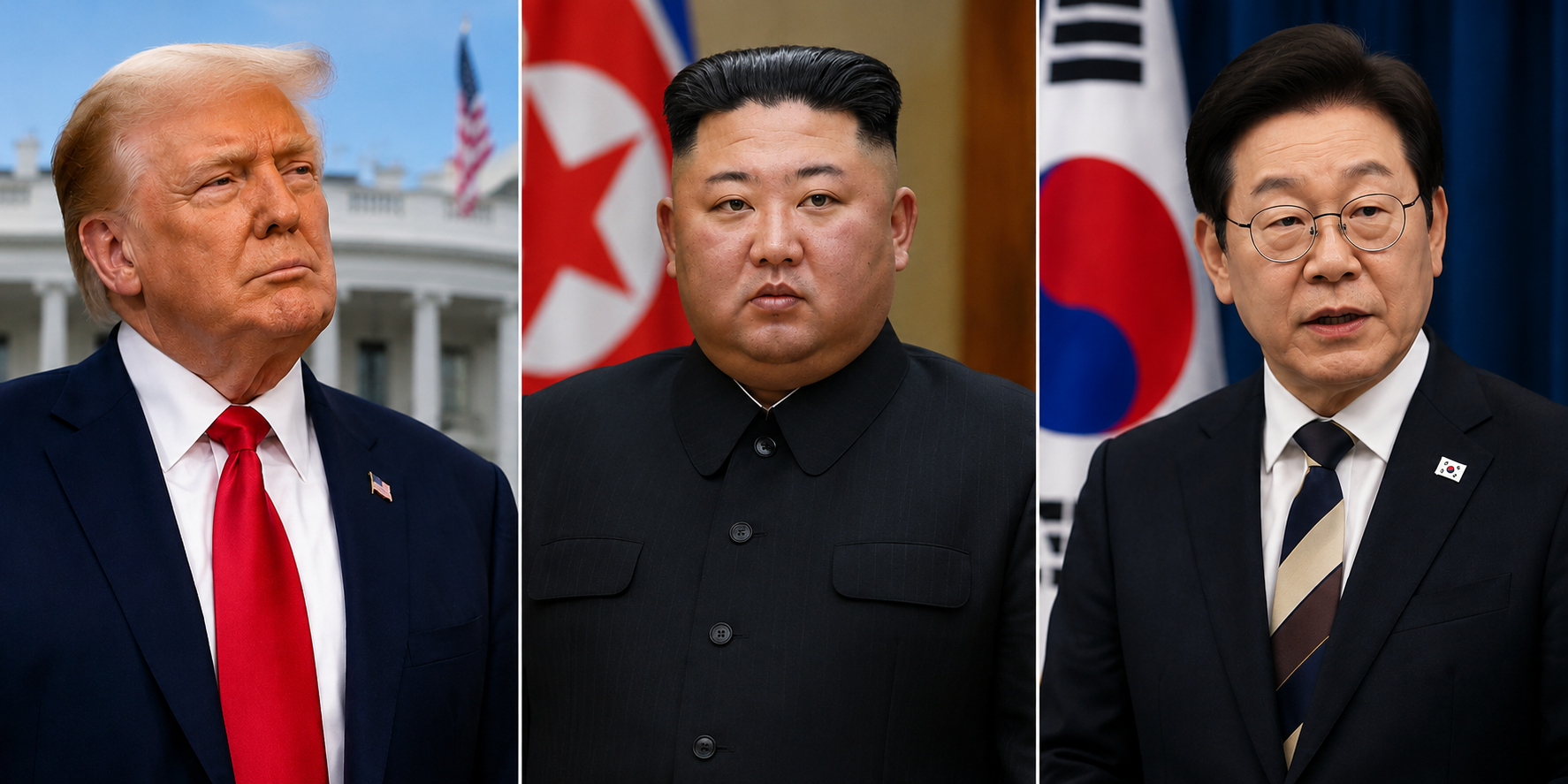
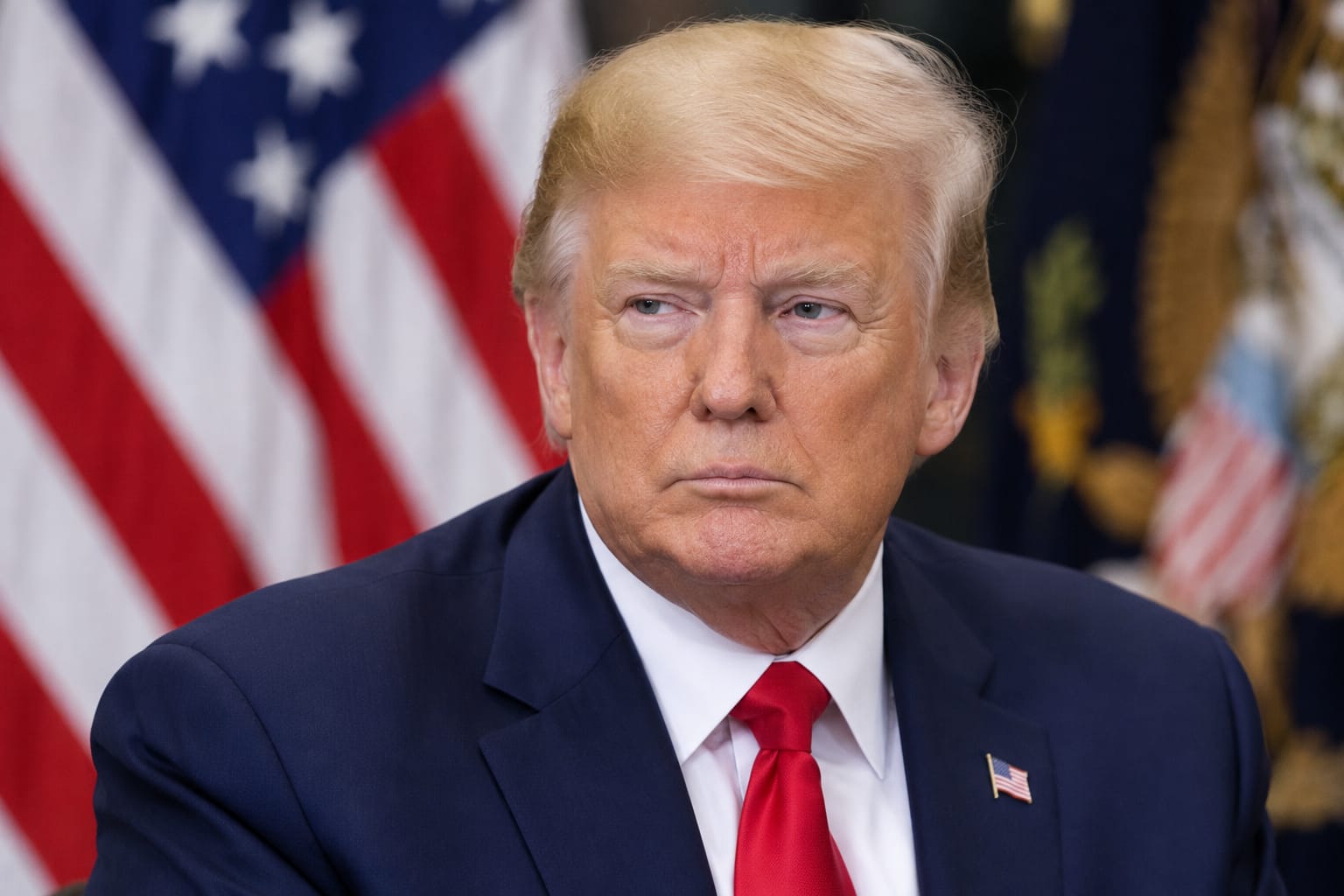
US President Donald Trump has announced plans to substantially reduce joint military exercises between the United States and South Korea. His comments have raised questions about the future of the long-standing US-South Korea military alliance and Washington’s approach toward North Korea.
Trump said the military exercises were expensive and described them as sending a message that was “totally inappropriate and hostile” toward North Korea. He also said the United States pays a large part of the cost of these exercises.
Trump linked his decision to South Korea’s recent refusal to join the United States in military efforts aimed at Iran. He said he had asked South Korean President Lee Jae Myung whether Seoul wanted to join US efforts to denuclearise Iran, but South Korea declined.
The announcement came shortly before the annual US-South Korea military exercises were due to begin. South Korean and US military officials had previously said the exercises would go ahead as planned.
South Korea said it was reviewing Trump's comments. The country's presidential Blue House said Seoul would continue discussions with Washington about military cooperation and other security issues. It also said it hoped improved relations between the United States and North Korea could eventually create opportunities for meaningful talks.
North Korea has not yet publicly responded to Trump's latest comments.
The decision is important because the United States has around 28,500 troops stationed in South Korea. The American military presence has been a key part of South Korea's defence against North Korea for decades.
The two countries regularly conduct military exercises to prepare their forces for a possible conflict. One of the major exercises, known as Ulchi Freedom Shield, was scheduled to last 11 days this year. Around 18,000 South Korean troops were expected to take part.
US and South Korean military leaders have said that the exercises are designed to improve coordination and ensure that both countries are prepared to respond to threats from North Korea.
North Korea strongly opposes the exercises. Pyongyang has repeatedly described US-South Korea military drills as preparations for an attack. On Friday, North Korea's foreign ministry again condemned the exercises and called them a rehearsal for an aggressive war.
The latest development comes at a time when North Korea is continuing to expand its nuclear weapons and missile programmes. Pyongyang has also conducted several ballistic missile tests, despite United Nations restrictions.
North Korea's relationship with the United States has been complicated since Trump's first term. Trump and North Korean leader Kim Jong Un held several high-profile meetings and discussions about North Korea's nuclear programme.
In 2018, Trump suspended some US-South Korea military exercises during his diplomatic efforts with Kim. At the time, Trump described the exercises as provocative and said stopping them would save the United States money.
However, negotiations between Washington and Pyongyang eventually failed to produce a major agreement. Relations later became tense again, while North Korea increased its nuclear and missile activities.
Trump's latest decision could therefore be an attempt to create a better environment for renewed talks with Kim. Trump has repeatedly spoken positively about his relationship with the North Korean leader and recently shared an old photograph of the two leaders from their 2019 meeting.
For South Korea, however, the announcement creates a difficult situation. Seoul wants stronger communication with North Korea, but it also depends heavily on its military alliance with Washington.
Experts have warned that reducing military exercises could weaken the ability of American and South Korean forces to work together during a crisis. Leif-Eric Easley, a professor at Ewha University in Seoul, said the exercises are important for military readiness and alliance coordination.
He also argued that the money saved by reducing the drills could be relatively small compared with the possible security costs.
Trump has previously criticised South Korea over the cost of the US military presence on the Korean Peninsula. He has argued that Washington spends too much money protecting allies while receiving too little in return.
South Korea has tried to strengthen its economic relationship with the United States. It recently committed hundreds of billions of dollars toward investment in the US.
The issue has become even more complicated because of the wider conflict involving Iran. Trump has expressed frustration with several US allies, including countries that have been reluctant to provide direct military support for American actions against Iran.
South Korea has also been involved in discussions concerning security around the Strait of Hormuz, an important international shipping route.
Trump's decision to reduce military exercises could therefore have two major goals: saving US money and creating better conditions for talks with North Korea. However, it could also create concerns in Seoul about whether Washington remains fully committed to South Korea's defence.
For now, South Korea says it is reviewing the US president's comments while continuing discussions with Washington. North Korea's response will also be closely watched.
The future of US-South Korea military exercises could become an important part of Trump's broader strategy toward Kim Jong Un. If Washington reduces the drills significantly, it could open the door to renewed diplomacy with North Korea, but experts warn that it could also create risks for military readiness and regional security.
Summary
US President Donald Trump says the United States will “substantially reduce” joint military exercises with South Korea. Trump linked the decision to South Korea’s refusal to join US efforts against Iran and said the drills are expensive and send a hostile message to North Korea. South Korea is reviewing his comments, while experts warn that reducing the exercises could weaken military readiness and the US-South Korea alliance.
Content
×
![]()