
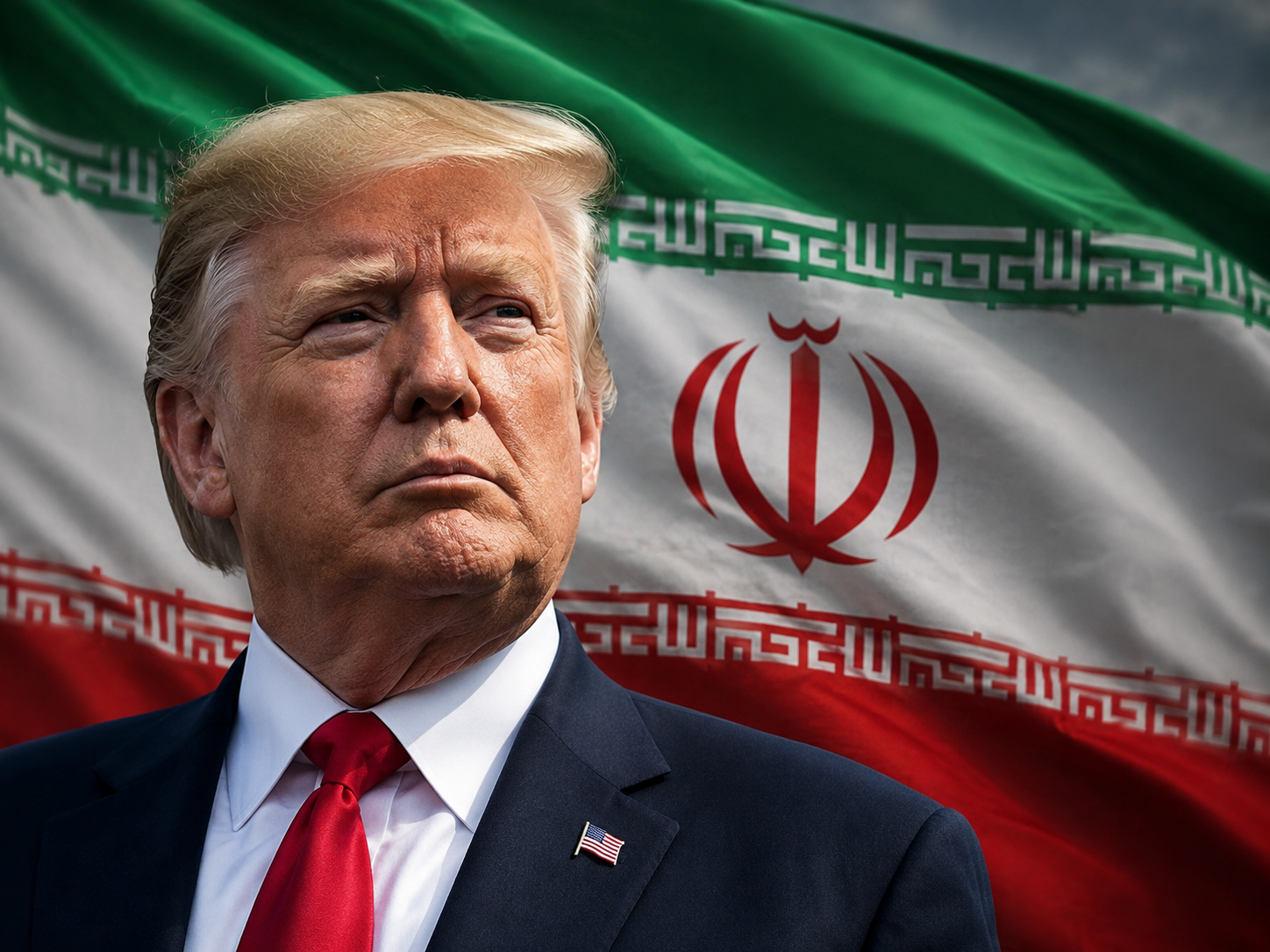
US President Donald Trump has threatened to increase economic pressure on Iran and punish other countries that continue doing business with Tehran. The announcement comes as tensions between the United States and Iran remain high after a 60-day ceasefire ended without a clear diplomatic agreement.
Trump said on his social media platform that the United States was beginning what he called an “economic D-Day” against Iran. He claimed that Iran had failed to reach a deal with Washington and said his administration would launch what he described as the most severe economic operation ever carried out against a country.
Trump also warned other countries not to help Iran. He said that any country allowing its banks, companies, airports or government institutions to provide financial or other support to Iran could face “tremendous” economic consequences. However, he did not explain exactly what punishments those countries would receive.
The measures could target several ways Iran earns or moves money internationally. Trump specifically mentioned oil smuggling, financial transfers, currency exchange businesses, shipping registrations and companies that are allegedly used to hide Iranian business activities.
The United States has already imposed sanctions on Iranian businesses and foreign companies that work with Iran. Washington has also targeted privately owned oil refineries in China that buy Iranian oil. These facilities are important to Iran because oil sales provide a major source of money for the country's government and economy.
China is particularly important because Chinese companies are among the biggest buyers of Iranian oil. Although Trump did not directly name China in his latest statement, tougher enforcement against countries doing business with Iran could create further tensions between Washington and Beijing.
Iran has strongly rejected Trump's threats. Iranian Foreign Minister Abbas Araghchi described the announcement as a distraction from America's own economic problems. He argued that continuing failed pressure policies would not force Iran to surrender and would instead increase hostility between the two countries.
The dispute is also connected to the Strait of Hormuz, one of the world's most important energy routes. A large share of global oil and liquefied natural gas normally passes through the narrow waterway. Since the beginning of the conflict, Iran has been able to disrupt or restrict marine traffic through the area, contributing to concerns about energy supplies and higher prices.
The United Arab Emirates has also become involved in the growing tensions. The UAE recently announced that it would cut financial and economic ties with Iran following what it said was a new missile threat. The UAE said it had detected two ballistic missiles launched from Iran toward maritime traffic, although both missiles landed in the sea.
Iran's armed forces then warned neighboring Gulf countries against supporting US military operations. Tehran said that assistance to the American military could be considered cooperation with the United States.
Oman is another important country in the situation because it has been involved in discussions with Iran over reopening the Strait of Hormuz. The waterway is vital to international trade and energy markets, making any prolonged disruption a major concern for countries around the world.
The Trump administration says its economic campaign is designed to reduce Iran's ability to finance military operations by cutting its sources of revenue. US officials have previously said they want to isolate Iran economically on a scale not seen before.
For Iran, however, the pressure could make negotiations more difficult. Tehran has repeatedly argued that sanctions and military threats will not force it to accept US demands. Instead, Iranian officials say such actions could increase tensions and make a diplomatic solution harder to achieve.
The latest threat therefore adds another layer to an already tense situation. The United States is seeking to increase pressure on Iran, while Iran is refusing to give in to Washington's demands. At the same time, countries such as China, the UAE and Oman could face difficult choices because they have economic or diplomatic interests connected to Iran.
The biggest question now is how far Trump will go with the promised economic measures and whether they will force Iran back to negotiations or lead to even greater confrontation. Any serious disruption to Iranian oil exports or the Strait of Hormuz could also affect global energy prices and the wider world economy.
Summary
US President Donald Trump has announced plans for what he describes as the toughest economic pressure ever placed on Iran. He warned that countries, banks, businesses, airports and government agencies that continue to support Iran could also face serious economic punishment from the United States. Trump did not give a detailed list of the measures or say exactly which countries would be targeted.
Content

×
![]()