
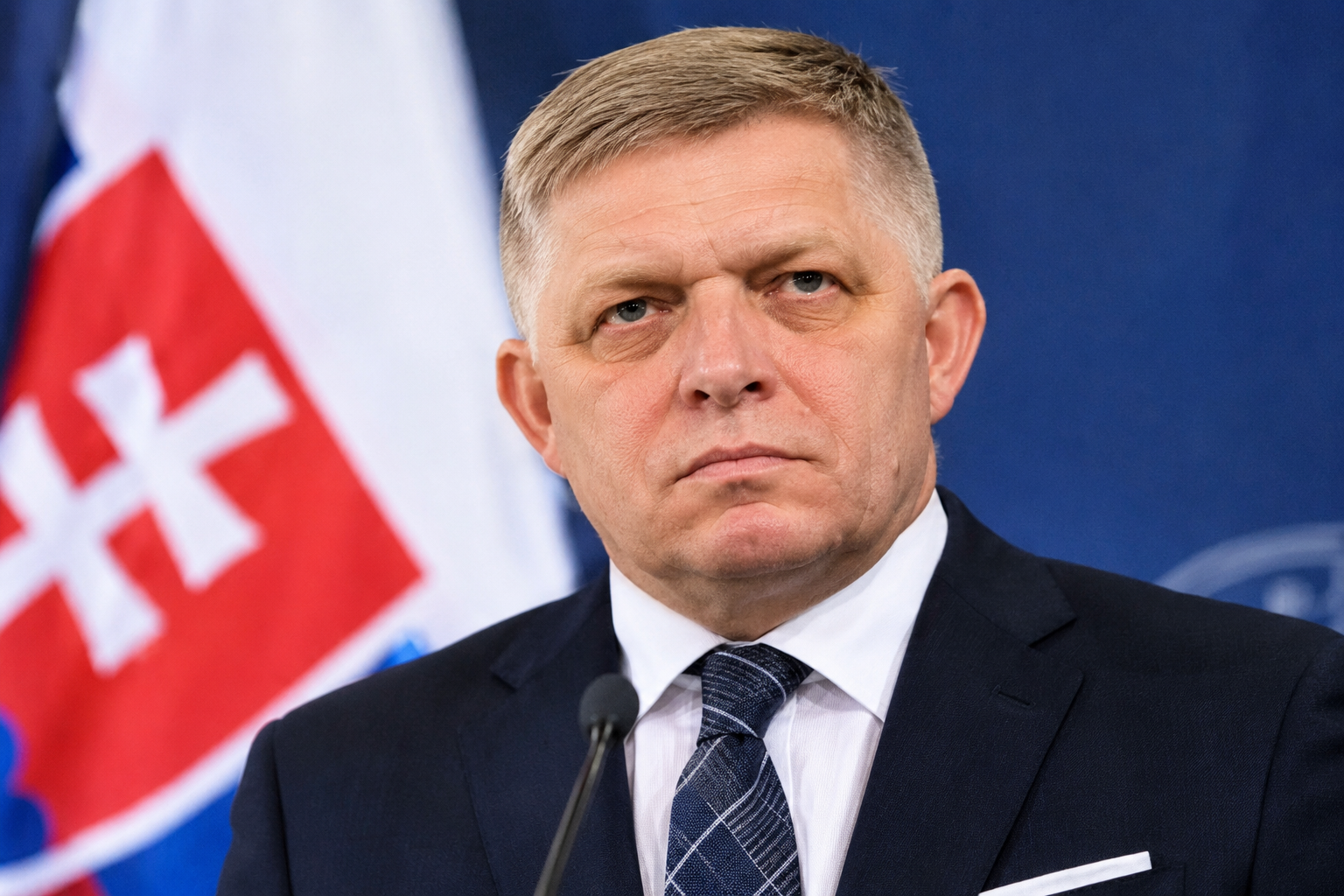
Slovakia Prime Minister Robert Fico has said that Europe cannot achieve lasting peace and security by trying to isolate Russia.
Speaking on August 29 at an event marking the 82nd anniversary of the Slovak National Uprising, Fico argued that Russia should not be removed from Europe’s political and security discussions. He said European countries can criticize Russia when it makes mistakes, but should not “demonize” the country or try to push it out of Europe.
Fico’s message was that Europe must eventually find a way to live alongside Russia. He said that European security can only be achieved with Russia, rather than by treating Russia as a permanent enemy.
He also criticized what he described as growing Russophobia, meaning strong hostility toward Russia and Russian people or interests. Fico argued that increasing tensions between Europe and Moscow will not create long-term stability.
The Slovak leader also defended his view of the European Union. He said the EU was created as a peace project, not as an organization designed to fight Russia. In his view, Europe should put greater emphasis on negotiations, diplomacy and economic growth instead of continuously increasing military spending.
Fico said Europe needs more diplomacy and concrete economic plans, rather than simply more weapons. His comments come as European countries continue to provide military and financial support to Ukraine while debating how to respond to Russia’s war and wider security concerns. Recent European discussions have included additional support for Ukraine and proposals to use frozen Russian assets to help finance Kyiv.
Fico’s position puts him at odds with many European leaders who argue that stronger defenses and continued support for Ukraine are necessary for European security. European Council President António Costa, for example, has argued that Europe needs to strengthen its defense capabilities because Russia’s invasion of Ukraine has affected the continent’s security.
Fico, however, believes Europe should ultimately look beyond confrontation. His central message is that Russia remains part of Europe’s security reality, and that long-term peace will require dialogue rather than permanent hostility.
His comments are likely to continue the debate inside Europe over how to balance military deterrence, support for Ukraine and diplomacy with Moscow.
Summary
Slovakia Prime Minister Robert Fico has called on Europe to stop demonizing and isolating Russia. He said lasting peace and security in Europe will require Russia to be part of the continent’s future, while urging the EU to focus more on diplomacy and economic development instead of weapons and confrontation.
Content
×
![]()