
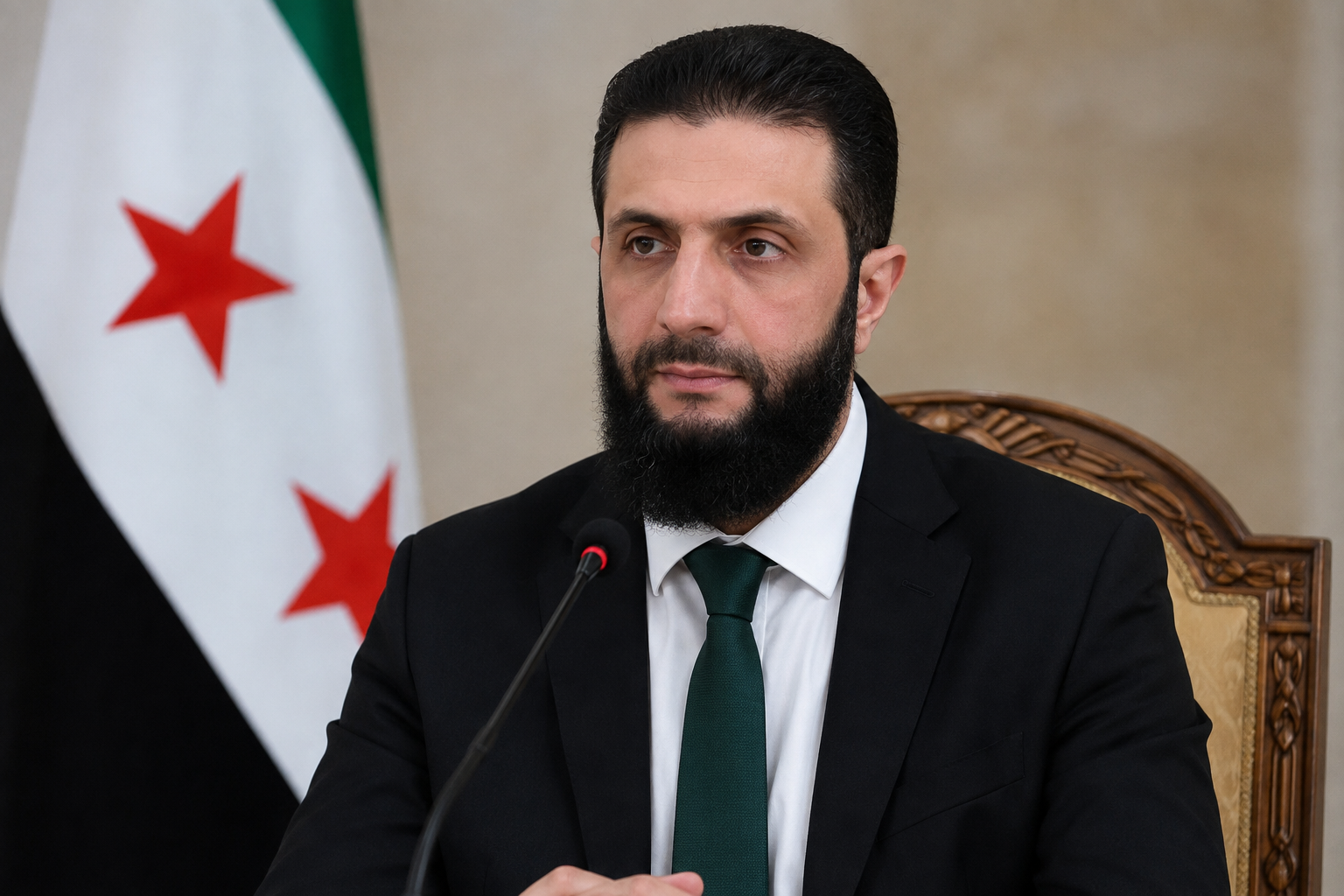
Since the fall of Bashar al-Assad’s government in December 2024, Syria’s new leadership has chosen diplomacy instead of another war with Israel. The government of President Ahmed al-Sharaa says Syria wants peace with its neighbours and needs stability to rebuild after more than a decade of devastating conflict.
However, this approach is facing serious challenges. Israel has continued carrying out military attacks inside Syria and has moved troops into parts of southern Syria beyond the area it already controls in the occupied Golan Heights.
When the Assad government collapsed, Israel quickly attacked Syrian military facilities across the country. Israeli forces also moved into additional areas of southern Syria. According to the report, Israeli troops have continued establishing checkpoints and detaining or harassing Syrian residents in some of these areas.
Despite these actions, Damascus has avoided responding with military force. Syrian officials say they do not want to open another front while the country is trying to rebuild its army, government and economy.
Analysts say Syria is taking a practical approach. The country has already suffered years of war, and many Syrians are tired of fighting. The government believes that negotiating with Israel, even when relations are extremely difficult, is less costly than starting another conflict.
Syria’s Foreign Minister Asaad al-Shaibani has made clear that Damascus does not currently trust Israel. At the same time, Syria continues to pursue negotiations and has submitted complaints to the United Nations over Israeli actions.
Syria reportedly has three main demands. First, it wants Israel to stop attacking Syrian territory. Second, it wants Israeli forces to stop entering Syrian areas and detaining Syrian citizens. Third, Damascus wants Israel to withdraw from the areas it seized after the fall of Assad.
The two countries have also continued diplomatic contacts. Al-Shaibani recently met Roman Gofman, the head of Israel’s Mossad intelligence agency, in US-mediated talks in Amman. According to Syrian state media, the discussions focused on stopping Israeli attacks and arrests and restarting negotiations for a longer-term security agreement.
However, Israeli military actions have continued even during periods of diplomatic discussions. Analysts believe some Israeli strikes may be intended as warnings to Syria, particularly over efforts to rebuild its military capabilities.
The Golan Heights remains another major obstacle. Israel captured the territory from Syria in the 1967 war and has controlled it for decades. Israel has repeatedly said it does not plan to return the territory. For Syria, however, the Golan Heights remains an important national issue.
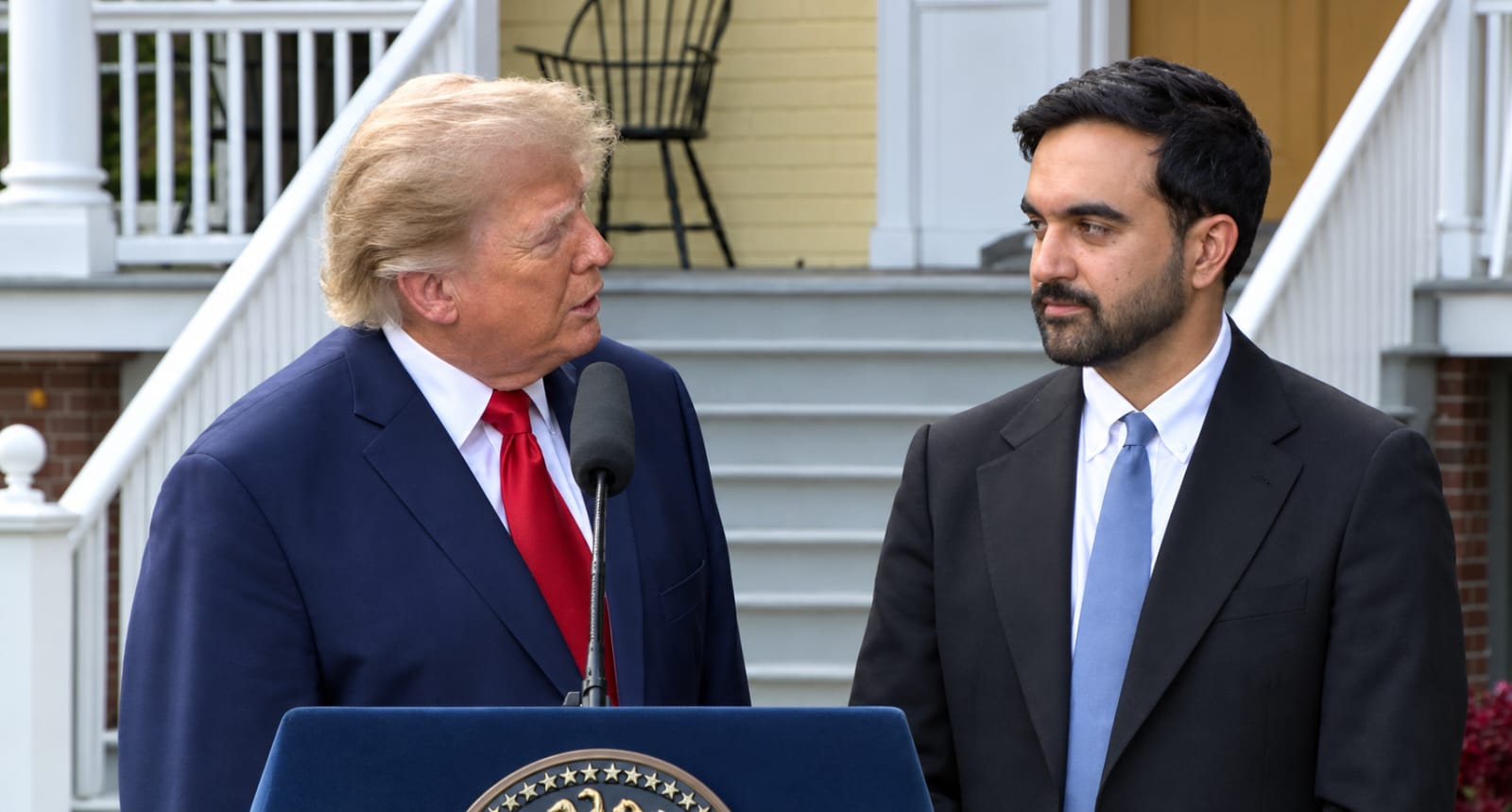
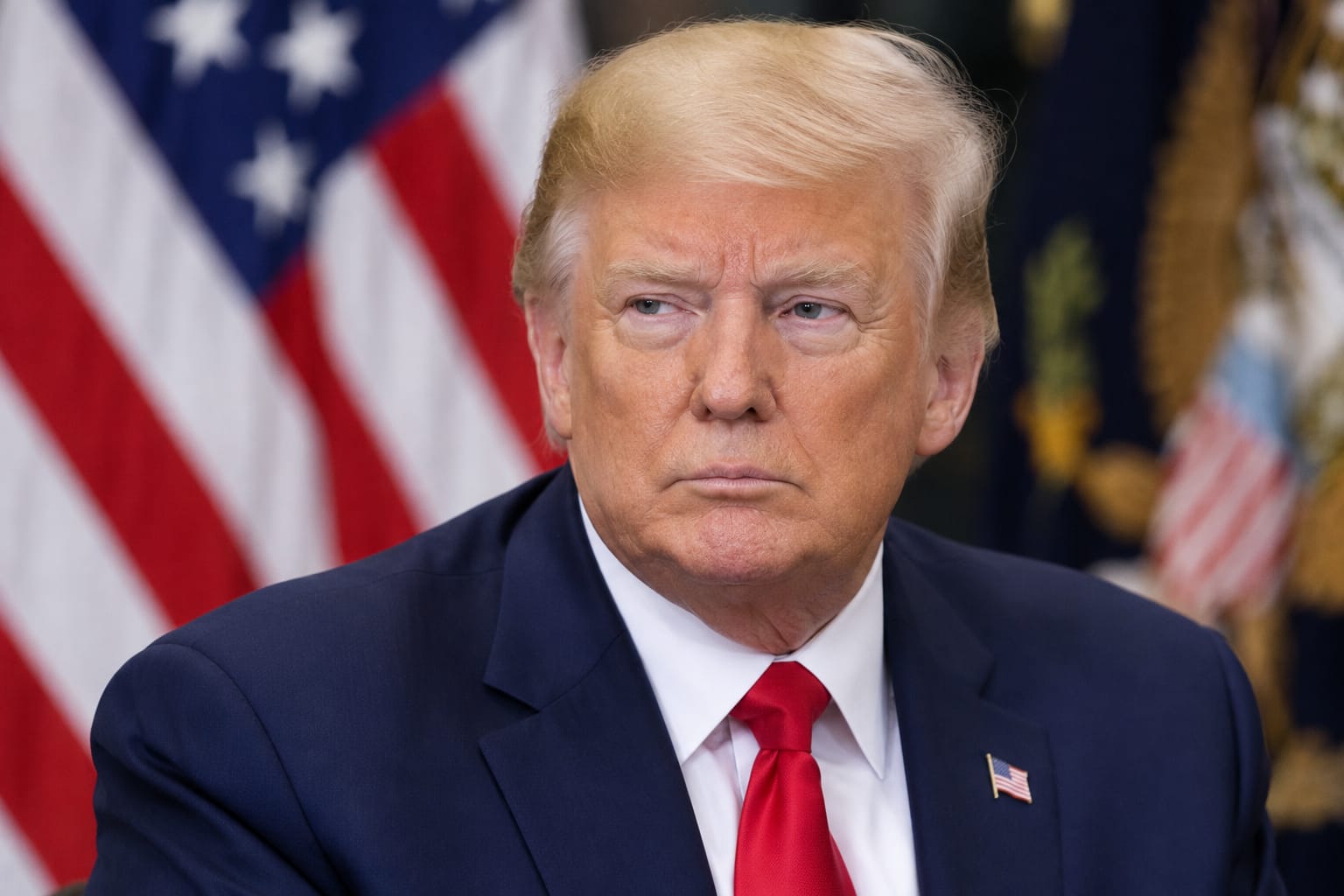
The United States is also playing an important role. Syria hopes Washington can put pressure on Israel and limit further military actions. Syria has improved its relations with the administration of President Donald Trump and has also developed close ties with Türkiye and several Gulf countries.
The United States has proposed a mechanism involving Syria, Israel and Türkiye to reduce the risk of clashes. But analysts question whether such an arrangement will work without stronger American pressure on Israel.
Türkiye itself could become another source of tension. Israeli officials, including Prime Minister Benjamin Netanyahu and opposition figures, have increasingly spoken about Türkiye as a potential regional threat. Analysts therefore believe Israel may increasingly focus on Türkiye’s growing influence in Syria.
For now, a genuine peace agreement between Syria and Israel appears difficult. Syria seems determined to continue using diplomacy because it does not want another war. But Israel’s continued military operations, disagreements over territory and lack of trust between the two governments remain major barriers.
For Damascus, diplomacy is currently seen as the least costly option. Syria wants to rebuild its country, strengthen its government and economy, and avoid being pulled into another major conflict. The future of Syria-Israel relations may therefore depend heavily on whether international pressure, especially from the United States can convince Israel to reduce its military actions and return to serious negotiations.
Summary
Syria’s new government is trying to use diplomacy instead of war to deal with Israel. Damascus wants Israel to stop attacks, withdraw from areas seized in southern Syria, and release detained Syrians. However, analysts say Israel’s continued military actions make a lasting peace deal difficult. Syria is also relying on the United States, Türkiye and Gulf countries to help limit Israeli actions.
Content


×
![]()