
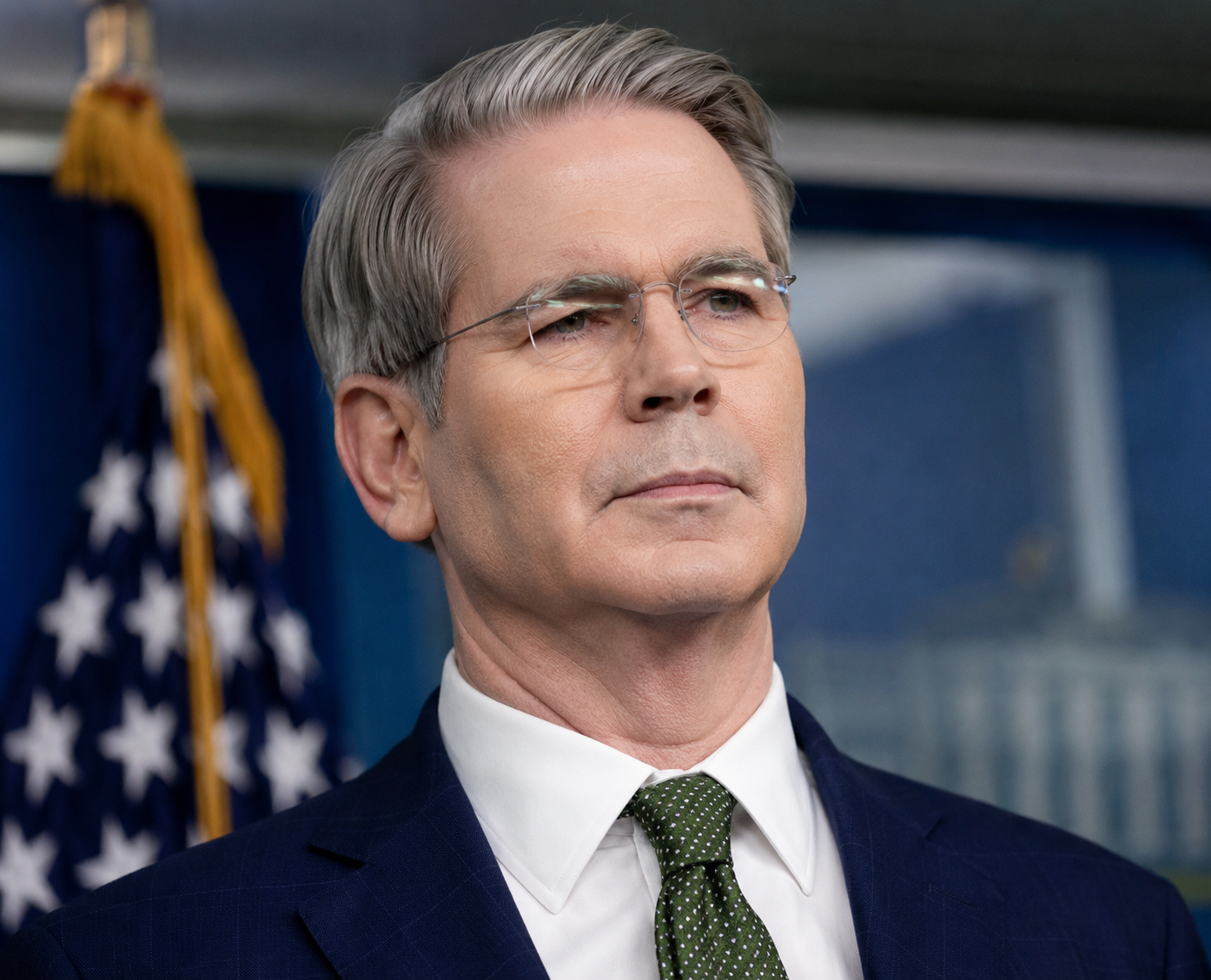
U.S. Treasury Secretary Scott Bessent says Iran is under increasing pressure and may eventually have to choose between continued fighting, internal conflict or negotiations with the United States.
Speaking about the situation in Iran, Bessent said he sees three possible outcomes. He said members of Iran’s Islamic Revolutionary Guard Corps (IRGC) could turn against each other, the Iranian people could rise against the leadership, or Iran could decide to come to the negotiating table and seek a deal that it can actually follow.
Bessent also accused parts of the media of helping Iran by quickly reporting what he described as false claims from the Iranian government. He argued that Iran benefits when its statements are repeated without enough scrutiny.
The Treasury secretary also discussed the Strait of Hormuz, a major waterway used to transport oil from the Middle East. He rejected claims that Iran has full control over the strait. Bessent said about 17 million barrels of crude oil were transported through the area the previous day, arguing that this showed the waterway was still operating.
When a reporter asked about Iranian threats against U.S. military bases, Bessent responded that Iran was not simply threatening attacks but was already carrying them out.
Bessent was also questioned about China’s role in supporting Iran financially. He pushed back against the suggestion that China’s support would prevent the United States from bringing Iran to negotiations, saying he believed the question was based on the wrong framing.
According to Bessent, several U.S. allies have also offered support during the crisis. He said allies were prepared to provide intelligence and use their contacts with groups or entities connected to what he called Iran’s “evil regime.”
Bessent also spoke about the war in Ukraine, saying negotiations are essential if the conflict is ever going to end. He argued that if both sides simply remain in their positions and refuse to communicate, there will be no path toward a solution.
His comments reflect the broader U.S. position that military pressure and diplomacy can work together. While Washington continues to put pressure on Iran, Bessent suggested that negotiations remain possible if Tehran is willing to reach an agreement it can maintain.
Summary
U.S. Treasury Secretary Scott Bessent says Iran is facing growing pressure to change its approach. He argued that Iran’s leadership could face internal divisions, pressure from its own people, or eventually decide to negotiate a lasting deal with the United States. Bessent also criticized media coverage of Iran’s claims and discussed oil shipments through the Strait of Hormuz, U.S. military bases and China’s support for Tehran. On Ukraine, he said direct talks are necessary to find a solution to the war.
Content

×
![]()