
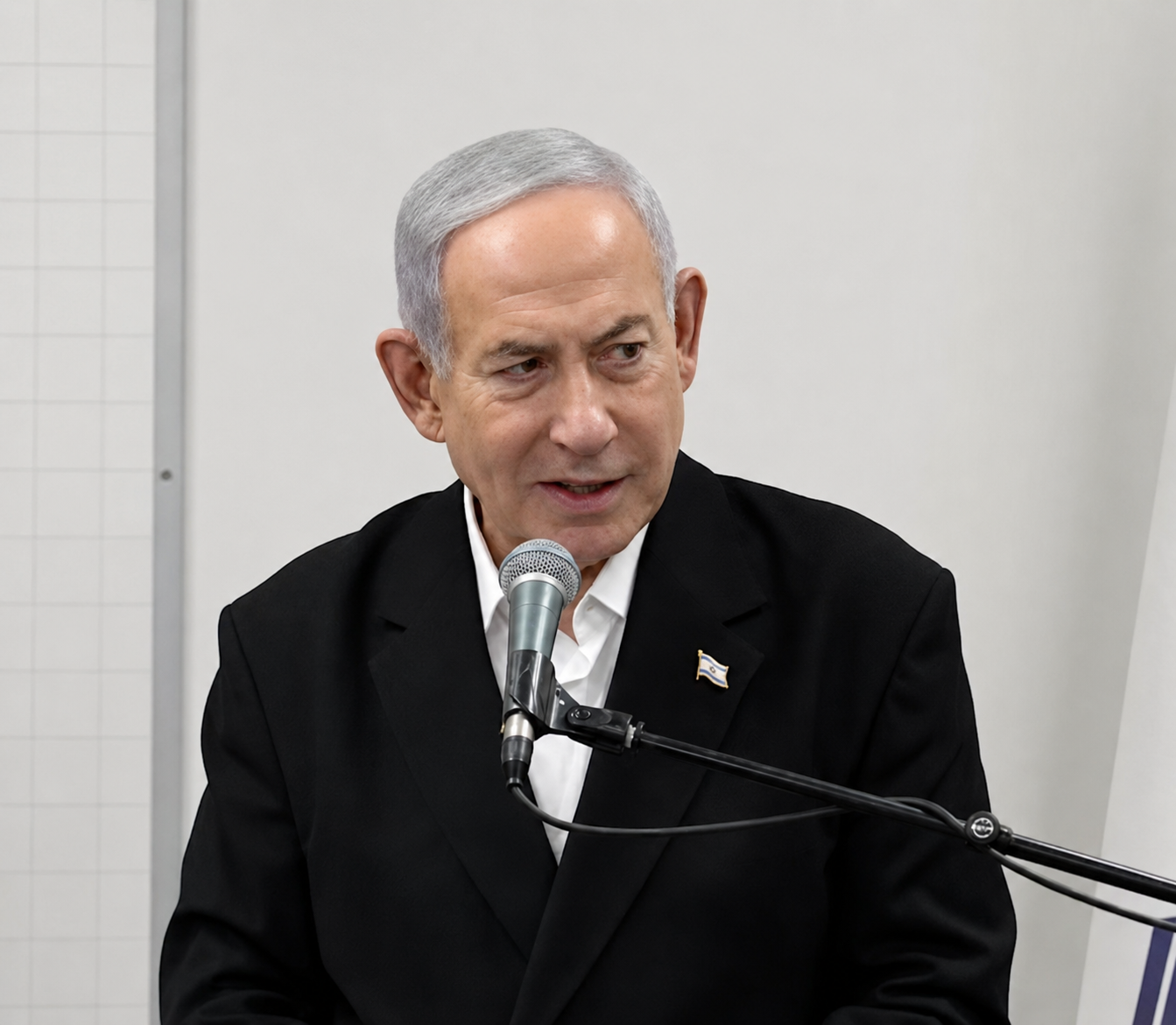
Israeli Prime Minister Benjamin Netanyahu has emphasized that Israel’s strength is important not only for security but also for achieving peace and building stronger relationships with other countries.
Netanyahu said that the stronger Israel becomes, the more confidently it can work with other countries toward peace. He argued that military, economic and national strength gives Israel a stronger position when dealing with both allies and opponents.
According to Netanyahu, strength also allows Israel to create better living conditions for its citizens. He said that a secure and strong country has more opportunities to develop its economy, improve infrastructure and provide a better future for its people.
Netanyahu also connected Israel’s strength with its international alliances. His argument is that countries are more likely to cooperate with a nation that can defend itself and protect its interests. He believes that strong partnerships can help Israel improve its security while also creating opportunities for diplomatic agreements.
His comments reflect a broader idea that Israel should maintain strong deterrence. Deterrence means having enough military and national power to discourage potential enemies from launching attacks. Israeli leaders have often presented this approach as an important part of protecting the country in a region where several conflicts and security disputes remain unresolved.
Netanyahu also warned about what he sees as the consequences of weakness. He said that weakness can cause countries to abandon a nation when it faces serious pressure. In his view, if Israel appears unable to defend itself, its enemies could become more confident while some international partners could become less willing to support it.
He therefore believes that maintaining strength can give Israel more freedom to negotiate. In simple terms, Netanyahu’s message is that Israel should be powerful enough to defend itself while using that strength to build alliances and pursue peace.
The statement comes amid continued regional tensions and debates over Israel’s security, diplomatic relationships and future role in the Middle East. Netanyahu has repeatedly argued that security must come before lasting peace, while critics of this approach argue that military strength alone cannot resolve the region’s deeper political conflicts.
Overall, Netanyahu’s message is clear: strength, in his view, creates security, attracts allies and provides a stronger position for pursuing peace, while weakness could increase isolation and the risk of defeat.
Summary
Israeli Prime Minister Benjamin Netanyahu has argued that Israel’s military, economic and national strength is essential for achieving peace, building alliances and protecting its citizens. He said a stronger Israel has more ability to negotiate with others and create better conditions for its people. Netanyahu also warned that weakness could lead to countries abandoning Israel and ultimately to defeat. His comments reflect his long-standing emphasis on deterrence and maintaining Israel’s military power. Israel’s recent regional conflicts and changing alliances have also increased the focus on how military strength affects diplomacy and regional partnerships.
Content

×
![]()