
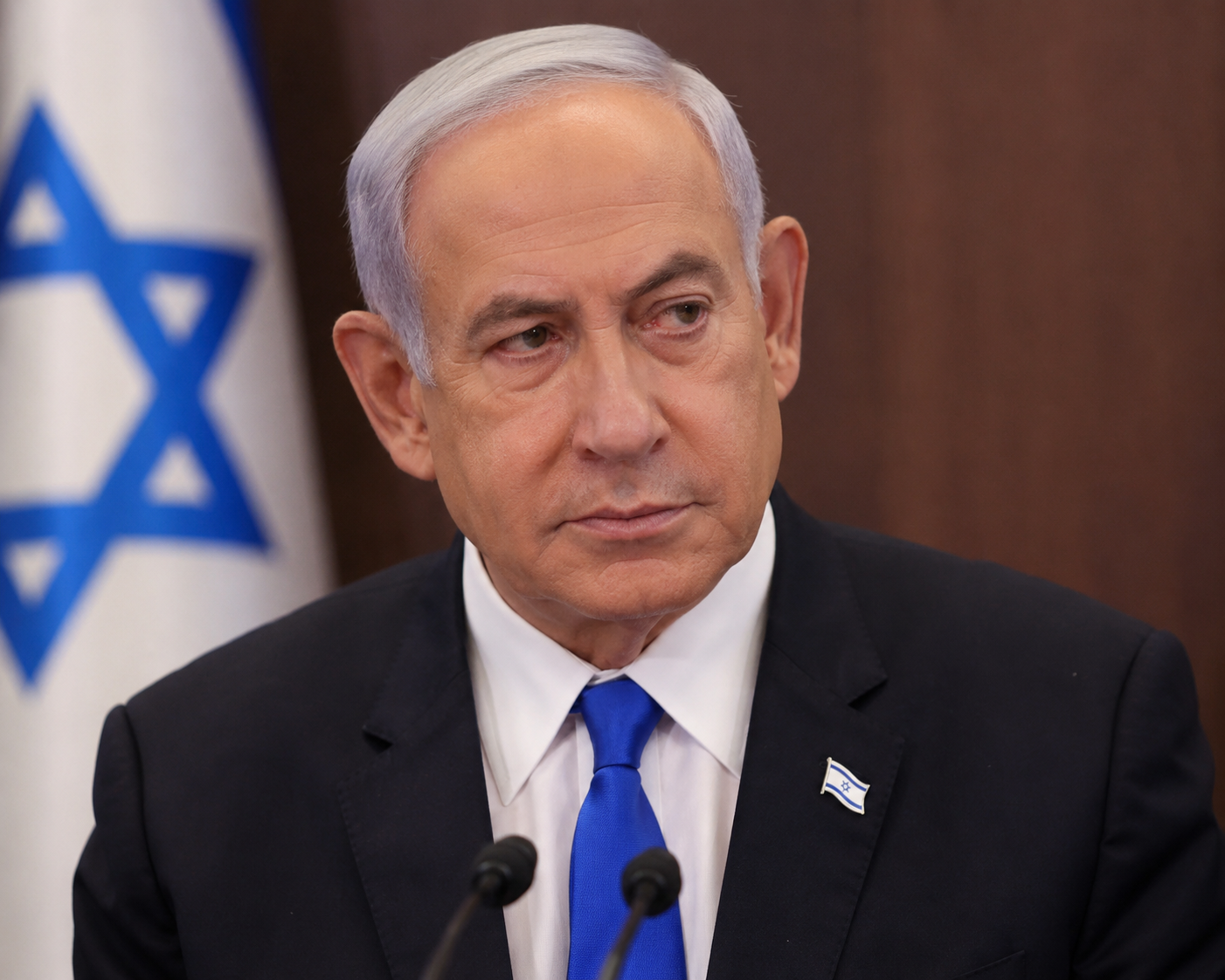
Israeli Prime Minister Benjamin Netanyahu has increased pressure on European countries over their position on the war with Iran. Israel has argued that Iran’s missiles, nuclear program and regional activities pose a serious threat to Israel and potentially to other Western countries.
Netanyahu has also used the history of the Holocaust when speaking about Israel’s relationship with Europe. Israeli leaders often point to the Holocaust as a reason why Israel must be able to defend itself and make its own security decisions. During Holocaust Remembrance Day in 2026, Israeli officials again connected the country’s current war with the historical experience of the Jewish people.
Netanyahu has previously warned European and American leaders that Iran’s missile and nuclear ambitions could eventually threaten them as well. He has argued that Israel cannot simply wait for other countries to act and must defend itself against threats it considers dangerous.
At the same time, many European governments have been cautious about directly joining military action against Iran. Some European countries have supported Israel’s right to defend itself while opposing a wider regional war. This has created growing disagreements between Israel and some of its Western partners. Recent reporting has highlighted tensions between Israel, the United States and European allies over the conflict.
The reference to ancient Rome is more controversial. Rome destroyed the Second Temple in Jerusalem in 70 AD, an event that became a major part of Jewish history. Some commentators use this history to explain modern political attitudes toward Western powers. However, there is no solid evidence that Israel’s leadership officially views today’s Europe or the United States as a modern Rome that must pay for the destruction of the Temple.
The current dispute is mainly about Iran, Israel’s security, Western military support and how far Europe should become involved in the conflict.
Summary
Israeli Prime Minister Benjamin Netanyahu has criticized European countries for not giving Israel stronger support in its conflict with Iran. He has repeatedly linked Israel’s security concerns to the Holocaust and warned that Israel will remember how other countries respond during the crisis. However, the claim that Israel’s leadership sees Europe and the United States as a “new Rome” seeking revenge for the destruction of the Temple in 70 AD is a historical interpretation, not an established Israeli government position.
Content




×
![]()