
Moscow has once again become the centre of international attention as U.S. special envoys Steve Witkoff and Jared Kushner arrived in Russia on Saturday to meet Vladimir Putin over a possible path towards ending the war in Ukraine. Their visit comes with a new American peace proposal, although Washington has not yet disclosed its full details. The two envoys are expected to travel to Kyiv after their Moscow meetings, turning the visit into one of the most closely watched diplomatic efforts of the conflict.
The timing is difficult to ignore. The war has continued for more than four years, while previous attempts at diplomacy have repeatedly failed to produce a lasting settlement. Yet this latest mission comes at a moment when both Moscow and Kyiv are facing the reality that military pressure alone may not deliver a decisive outcome.
Putin's decision to order a 72-hour pause in strikes on Kyiv during the American envoys' mission adds another layer of significance. It is only a temporary measure and does not amount to a general ceasefire, but its timing suggests that Moscow understands the importance of creating at least a limited space for diplomacy.
For Washington, the objective appears straightforward: determine whether there is enough common ground to move the stalled peace process forward. But the gap between Russia and Ukraine remains enormous. Moscow continues to demand control over territories it claims and wants Ukraine to abandon its NATO ambitions. Kyiv, meanwhile, rejects territorial surrender and remains focused on protecting its sovereignty and securing credible guarantees for its future.
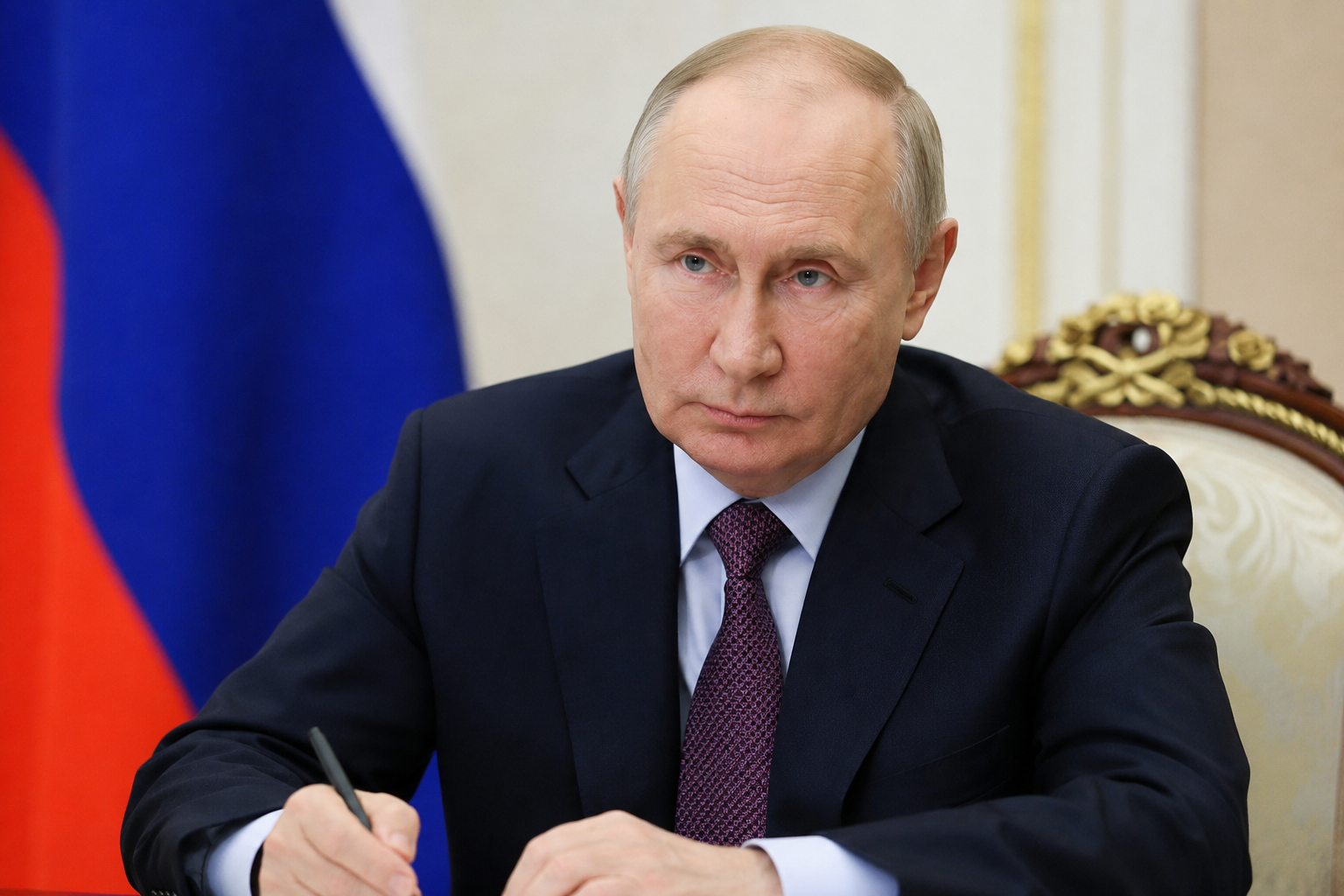
This is what makes the Moscow meeting more important than a routine diplomatic visit. The question is not simply whether Putin is willing to talk. He has already demonstrated that he is willing to negotiate. The real question is whether he is willing to compromise on the issues that have kept the war going.
For Putin, ending the war without securing what Moscow considers meaningful strategic gains could be politically difficult. Russia has invested enormous military and economic resources in the conflict, and the Kremlin would want any final agreement to be presented as an outcome that protects Russian interests rather than as a retreat.
Ukraine faces an equally difficult choice. A peace agreement could bring an end to years of destruction and uncertainty, but accepting terms that permanently weaken its territorial position or security could create a different danger for the future. For Kyiv, peace cannot simply mean the absence of fighting; it must also provide confidence that another war will not follow.
The United States is therefore attempting to bridge two positions that remain fundamentally different. The fact that its negotiators are meeting Putin first and then travelling to Kyiv is significant because Washington will have to assess how far each side is prepared to move. The mission may not produce an agreement immediately, but it could reveal whether the positions of Moscow and Kyiv are finally becoming negotiable.
There is also a larger political calculation behind the talks. Donald Trump has repeatedly presented ending major international conflicts as an important part of his foreign-policy agenda. A successful agreement in Ukraine would therefore represent not only a diplomatic achievement for Washington, but a major political victory for the Trump administration.
For Putin, however, the calculation is different. He has to balance the possibility of a negotiated settlement against the belief that continued military pressure could eventually improve Russia's position. Russian forces have made gradual gains, but the front lines remain largely static and Ukraine continues to strike targets deep inside Russia. The war is therefore costly for both sides, even if neither is ready to acknowledge that the moment for compromise has arrived.
This is why the coming conversations in Moscow may matter even if they do not immediately produce a peace agreement. Negotiations often begin not with a final settlement, but with an attempt to discover what the other side is actually prepared to accept.
The greatest danger is that expectations rise faster than reality. A temporary pause in attacks can create the appearance of progress, but a genuine peace agreement requires decisions on territory, security guarantees, Ukraine's future relationship with NATO and the wider European security order. Those are not issues that can be solved in a single meeting.
Still, the diplomatic opening should not be dismissed. After years in which military action repeatedly overshadowed negotiations, the arrival of senior American representatives in Moscow shows that diplomacy has once again become central to the conflict.
Whether this becomes a turning point will depend largely on what happens after the meetings. If Washington can persuade Moscow and Kyiv to move even slightly from their existing positions, the latest initiative could develop into a serious peace process. If neither side is prepared to compromise, the visit may become another chapter in a long list of diplomatic attempts that failed to stop the war.
For now, Putin stands at an important political crossroads. Continuing the war may offer Russia the possibility of further gains, but it also carries increasing costs. Accepting negotiations could open the door to peace, but it would require Moscow to decide which of its wartime demands are essential and which can be sacrificed for a broader settlement.
That is why this week's diplomacy deserves attention. The story is no longer simply about how long the Ukraine war can continue. It is about whether the leaders involved can finally find a political formula that makes ending it more attractive than fighting another year.
The answer may begin in Moscow, where Putin now has to decide whether the peace table can offer Russia something that the battlefield cannot.
Summary
U.S. envoys Steve Witkoff and Jared Kushner have arrived in Moscow to meet Vladimir Putin as Washington pushes a new effort to end the Ukraine war. Putin has also ordered a temporary 72-hour pause in strikes on Kyiv during the diplomatic mission. Despite these signals, major disagreements over territory, NATO and Ukraine's future security remain unresolved. The talks may not immediately produce peace, but they could reveal whether Russia and Ukraine are finally prepared to move towards a serious political settlement.
Content
×
![]()