
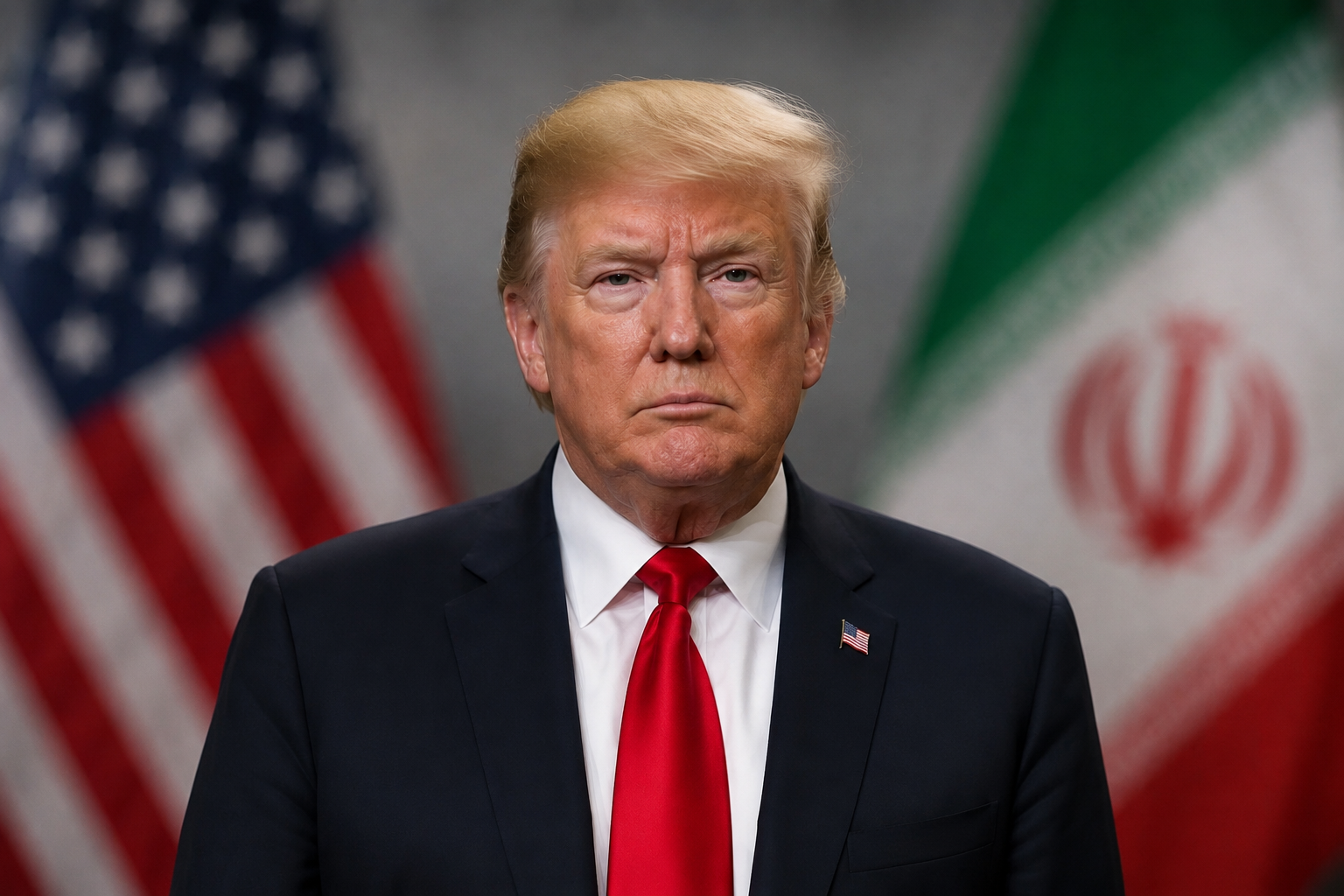
The ongoing conflict between the United States and Iran could become closely linked to American politics, especially as the November 3 midterm elections approach.
The elections will determine whether Republicans can keep their narrow control of Congress. Because of this, the Trump administration faces increasing pressure to prevent the conflict from turning into a much larger war before Americans vote.
The war has already created economic problems for people in the United States. Fuel prices have increased, and higher transportation costs can also push up the prices of food and other everyday goods. This could become a major political problem for Republicans because the cost of living is one of the biggest concerns for American voters.
According to a Reuters/Ipsos poll mentioned by Al Jazeera, only about 31 percent of Americans supported the war, while 63 percent opposed it. Trump’s approval rating has also fallen since the conflict began.
The situation is particularly difficult because Trump had campaigned on reducing energy costs and avoiding what he described as unnecessary wars. Instead, the conflict with Iran has contributed to higher energy prices and uncertainty in global markets.
Washington is trying to avoid a bigger war
The Trump administration appears to be using a combination of economic pressure and limited military action.
In August, Washington announced new sanctions targeting dozens of entities accused of helping Iran generate oil revenues. The United States has also threatened countries that continue significant trade with Iran with additional sanctions.
At the same time, US military forces continue to operate around the Strait of Hormuz, an important global shipping route. Any major disruption there can have consequences for oil supplies and prices around the world.
Vice President JD Vance has also tried to reduce fears about the scale of the conflict. He has suggested that the situation is becoming less intense and has avoided describing the current situation as a traditional full-scale war.
However, American officials continue to say that military action remains an option.
This creates a difficult balance for Washington. The administration wants to maintain pressure on Iran without triggering another major escalation before the elections.
Iran could make the situation more dangerous
Iran also has its own political and military calculations.
Tehran has used drones, missile attacks and pressure on shipping routes as part of its strategy against a much stronger US military. Disrupting shipping through the Strait of Hormuz can create major economic pressure without requiring Iran to directly match American military power.
Analysts warn that this strategy could create a dangerous cycle.
For example, if Iran attacks US forces, American bases, ships or regional infrastructure, Washington could respond with stronger military strikes. Iran could then retaliate again, potentially turning limited attacks into a much larger conflict.
Economic pressure could also make Iran more willing to respond. Iranian officials may believe that the United States could restart a larger military campaign after the midterm elections. If Tehran believes that escalation is coming later, it could decide to act before the election in an attempt to create greater political and economic pressure on Trump.
This makes the period between now and November particularly sensitive.
What could happen after the elections?
The situation could change significantly after November 3.
If Republicans perform well, Trump could have more political room to increase military pressure on Iran. A strong Republican result could be interpreted by the administration as evidence that voters did not reject its approach to the conflict.
But if Democrats win control of the House or Senate, Trump could face greater opposition. Congress controls government funding and could increase investigations into the war and challenge additional military spending.
However, an electoral defeat would not necessarily mean that the conflict would end.
Some analysts believe Trump could become even more aggressive if he feels politically weakened after the elections. Without another congressional election immediately ahead, he may feel less pressure to keep the conflict contained.
The next two months are therefore extremely important. Washington is trying to manage the conflict while protecting the economy and avoiding a political backlash. Iran, meanwhile, may try to use military and economic pressure to influence US decisions.
The midterm elections could ultimately become more than a domestic political event. They may help determine whether the Iran conflict moves toward negotiations and de-escalation or enters another dangerous phase after November.
Summary
The US midterm elections on November 3 could become a major turning point in the conflict between the United States and Iran. Rising fuel prices, higher living costs and growing opposition to the war are putting political pressure on President Donald Trump and the Republican Party. Trump’s administration appears to be trying to avoid a major escalation before the elections, while increasing economic pressure on Iran through sanctions and pressure on oil exports. However, Iran could respond militarily, making it difficult for Washington to keep the conflict under control.
Content

×
![]()