
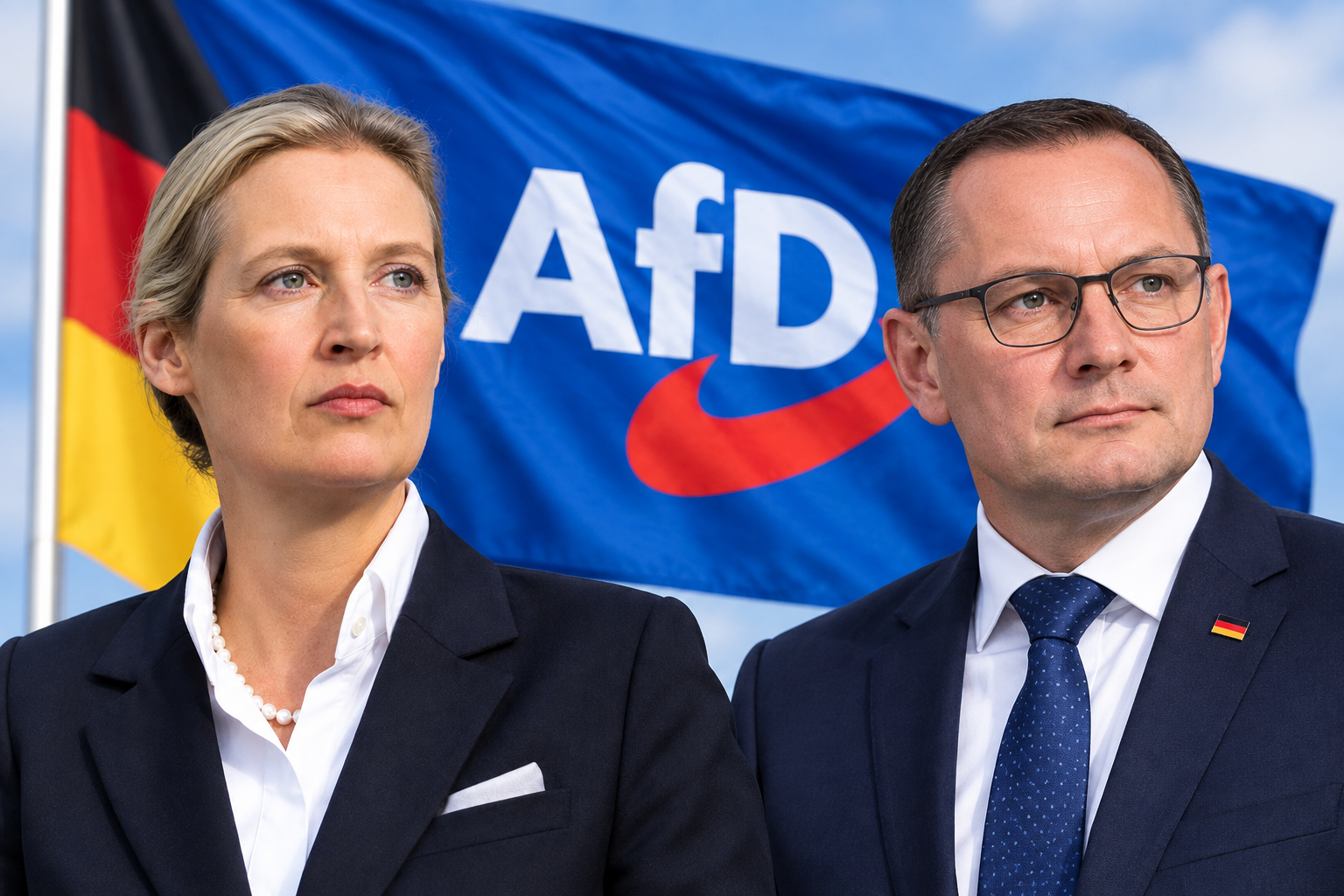
Germany’s far-right Alternative for Germany (AfD) has achieved a major victory in the eastern state of Saxony-Anhalt, but the party does not have enough seats to govern alone.
Preliminary election results show that the AfD received around 43.8% of the vote. This gives the party about 39 seats in the 83-seat state parliament. It needed 42 seats for an outright majority.
The result is historic because no far-right party has controlled a German state since the end of World War Two.
AfD leader in Saxony-Anhalt, Ulrich Siegmund, said the result gives his party a clear mandate to govern. He argued that voters had sent a strong message and that other political parties should now listen to them.
The AfD's deputy parliamentary leader, Beatrix von Storch, also called on other parties to talk to the AfD. She said democracy means respecting the choices made by voters.
However, forming a government will not be easy.
Most major German political parties have a policy of refusing to work with the AfD. This means the AfD must find support from smaller parties, individual lawmakers or members of other political groups if it wants to take control of the state government.
One possible option is cooperation with the BSW, a left-wing populist party that is expected to win five seats. The BSW also takes a tougher position on immigration and supports closer economic relations with Russia. Its support could potentially allow the AfD to form a minority government.
Another possibility is that individual members of other parties could support the AfD on important votes. Von Storch said the AfD was already speaking with some people inside the conservative CDU group. She claimed some CDU members were unhappy with their own party.
The CDU suffered a major defeat in the election. Its share of the vote fell to around 17.2%, almost half of its previous level.
German Chancellor Friedrich Merz, whose conservative CDU is the country's governing party, described the result as deeply shocking. He called it a major political earthquake and said the CDU needed to take the result seriously.
Merz also said Germany could not simply continue with "business as usual". He called for major reforms and said his party needed to better connect with voters.
The election is particularly important because the AfD is already performing strongly in opinion polls across Germany. Its strongest support has generally come from eastern Germany.
The AfD also won the most votes in the 2024 state election in neighbouring Thuringia, but it was unable to form a government there because it did not have enough support from other parties.
Saxony-Anhalt has around 2.1 million people. The AfD's state branch is classified as "right-wing extremist" by Germany's domestic intelligence agency, although the party rejects that classification.
The party's policies have caused strong debate. Its plans include placing child refugees into separate classes and creating a special task force to help detain and deport migrants who no longer have the legal right to remain in the state.
The AfD also supports a policy it calls "remigration." Critics say this could lead to large-scale deportations of migrants. The party says the policy mainly concerns criminals and people who are living in Germany illegally.
If the AfD cannot find enough support to form a government, another election could eventually become necessary. Siegmund has already suggested that possibility, saying he does not want to abandon the party's main political goals simply to gain power.
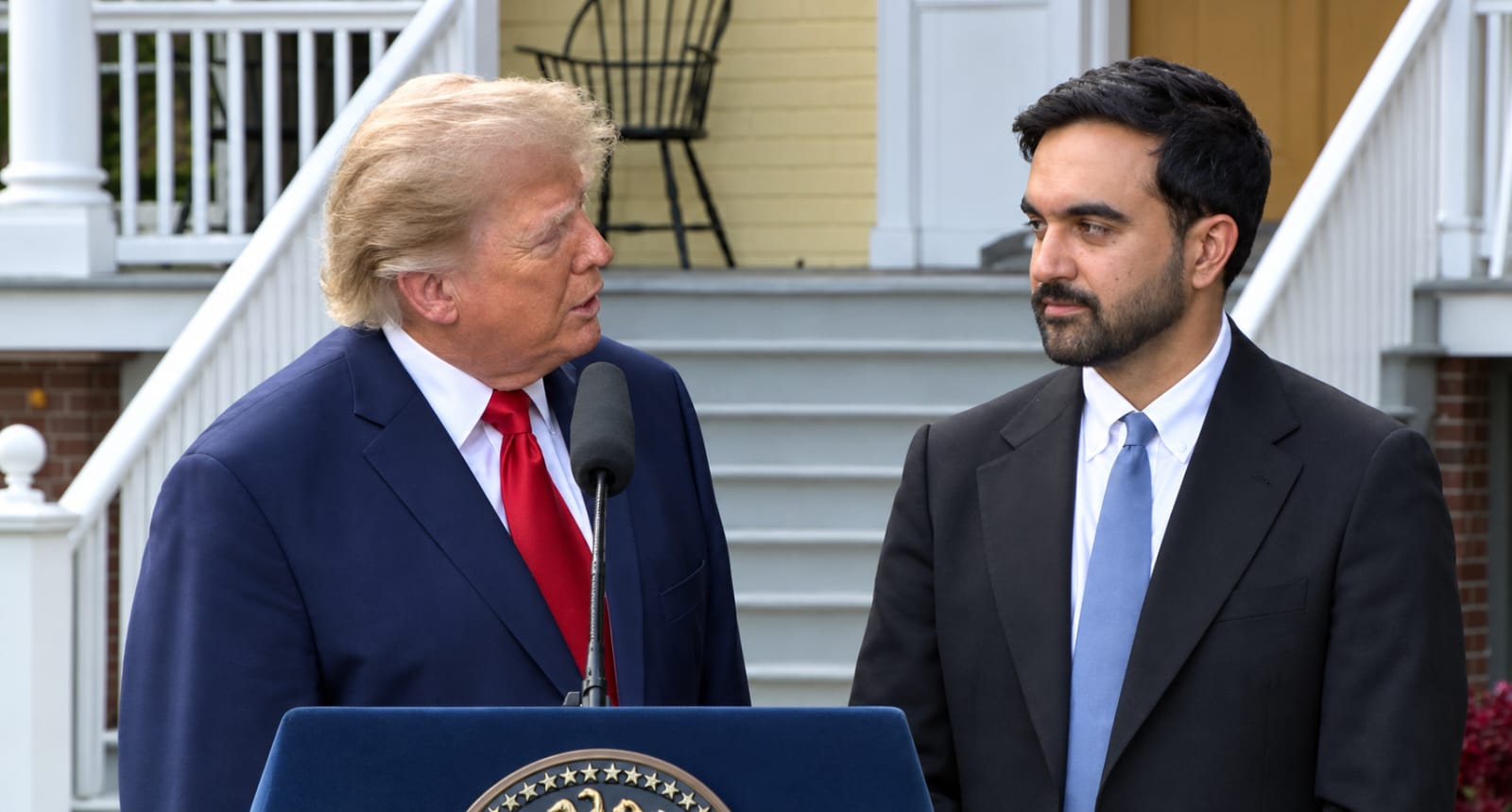
The result has also attracted international attention. US President Donald Trump shared the projected results on his Truth Social account. A Russian presidential envoy later praised the AfD's performance as a historic victory.
The reaction from neighbouring Poland was very different. Polish Prime Minister Donald Tusk strongly criticised the result and said that people in Poland should not celebrate an AfD victory.
The Saxony-Anhalt election could therefore have consequences beyond the state itself. It may influence Germany's national political debate and future regional elections.
For now, the biggest question is whether the AfD can find enough support to govern. With 39 seats instead of the 42 needed for a majority, the party has won a powerful position but still needs partners or individual lawmakers.
The election has clearly shown that the AfD has become a major political force in eastern Germany. What happens next in Saxony-Anhalt could provide an important indication of whether Germany's other parties will continue refusing cooperation with the AfD or whether political pressure will eventually lead to some form of cooperation.
Summary
Germany’s far-right Alternative for Germany (AfD) has won a historic victory in the eastern state of Saxony-Anhalt, receiving about 43.8% of the vote. The party won 39 of the 83 seats in the state parliament, three seats short of the 42 needed for an outright majority. The AfD is now looking for support from other parties or individual lawmakers to form a government. Most major German parties have refused to cooperate with the AfD, creating uncertainty over who will govern the state.
Content



×
![]()