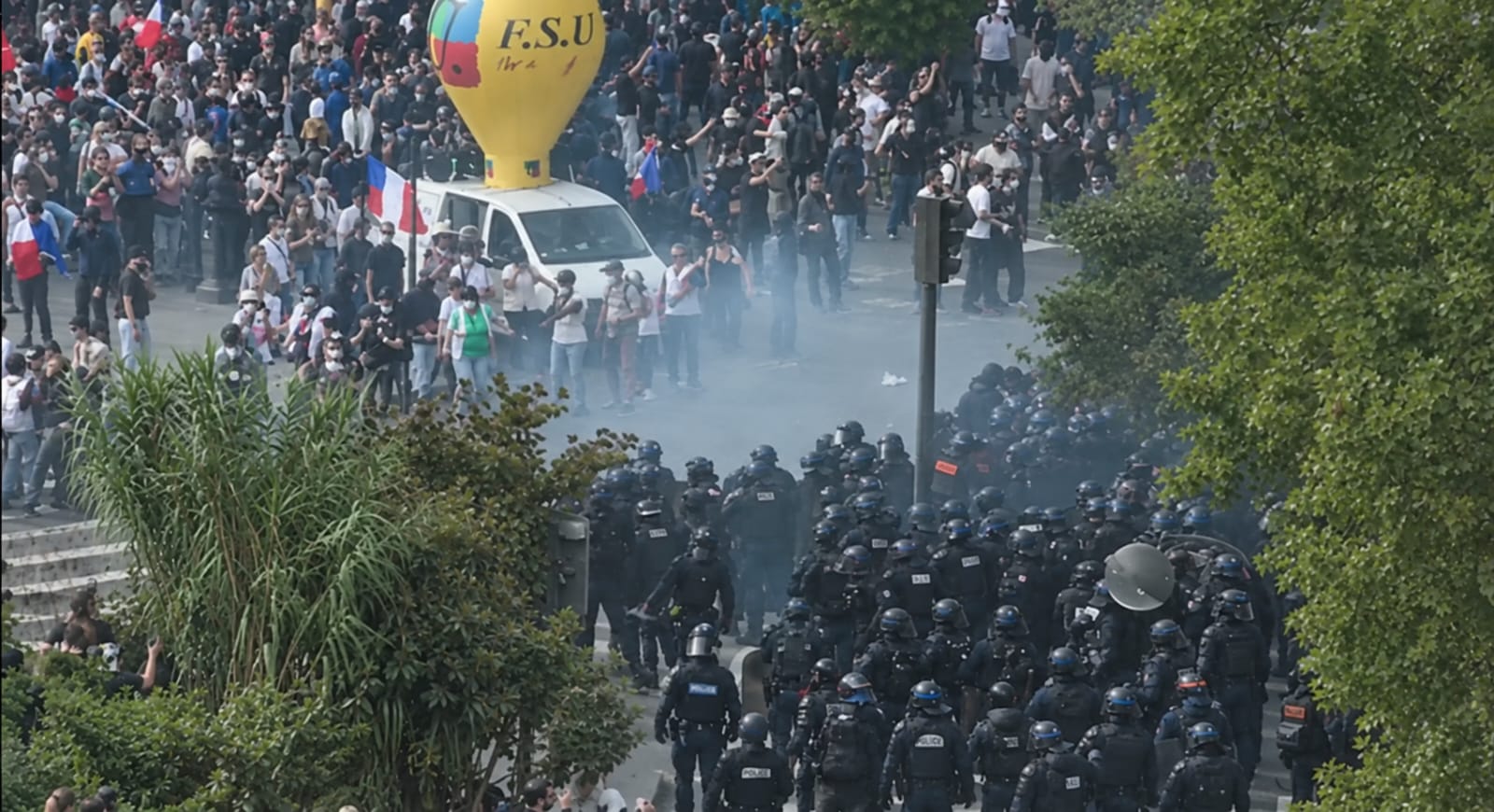
Protests Spread Across France
The protests began about two weeks ago in poorer areas around Paris before spreading to cities across France.
Organizers estimated that nearly 500,000 students and activists took part, while authorities put the nationwide number at around 250,000 protesters.
The High School Students Union said nearly 2,000 high schools were blocked or closed during Tuesday's demonstrations.
Students were joined by some teachers, parents and other unions supporting demands for improvements to schools.
Students Demand Better Schools
Protesters are calling for several changes, including:
- More teachers to replace absent staff
- Less overcrowding in classrooms
- Longer lunch breaks
- Changes to the length of the school day
- Repairs to old and damaged school buildings
- More resources for education
Demonstrators in Marseille, Nantes and Lyon carried signs criticizing the condition of the education system.
Some Protests Turn Violent
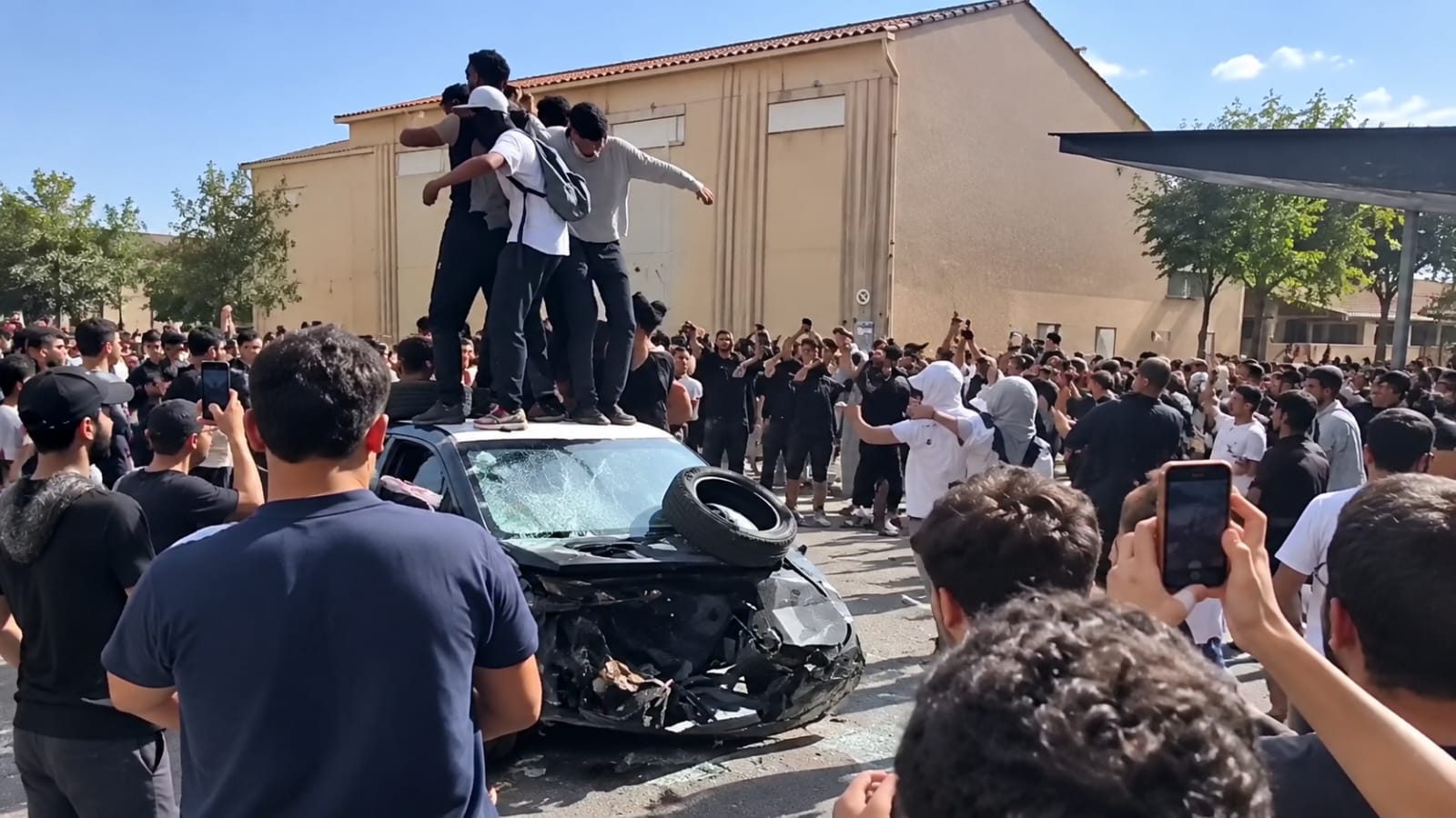
While many demonstrations remained focused on education demands, violence broke out in some cities.
In Strasbourg, Lyon and Rennes, protesters reportedly set fires and threw objects at police. Police responded with tear gas.
The French government has described some parts of the movement as urban violence and deployed riot police at several demonstrations.
Prime Minister Lecornu said:
“Burning down a high school does not improve the state of high school buildings.”
Thousands Arrested
France's Interior Ministry said 6,100 people have been arrested since the protests began, with most of those arrested under the age of 18.
The Justice Ministry said more than 1,800 people will face prosecution, including 1,483 minors.
Lecornu said at least 215 teenagers and 715 police officers had been injured during the protests.
Teenager Loses Hand During Clash
A serious incident occurred Monday in the northern city of Lens, where a 15-year-old teenager lost his hand and part of his arm during clashes between protesters and police.
The government said around 200 to 250 protesters had thrown objects at police.
According to La Voix du Nord, the teenager was injured after picking up a police grenade during the demonstration.
Government Promises Action
Lecornu said the suspension of classes would give schools an opportunity to address concerns about school conditions.
He also ordered ministers to respond to students' demands by the end of October.
The government plans to examine the condition of older school buildings and consider repairs.
However, there are questions about how quickly the government can meet the protesters' demands.
Trump Comments on French Protests
U.S. President Donald Trump also commented on the protests.
In a post on Truth Social, Trump attributed the unrest to what he described as mass migration and claimed that the protests were connected to Islam.
He wrote that the situation was “nothing less than out of control mass migration” and argued that it was not really about schools.
These comments were Trump's characterization of the events and were not supported with evidence in the material provided.
Key Points
- France suspended high school classes for the rest of the week.
- Protests began in the Paris region and spread nationwide.
- Authorities estimated about 250,000 protesters, while organizers claimed nearly 500,000.
- Nearly 2,000 high schools were reportedly blocked or closed.
- Students are demanding more teachers, better facilities and education reforms.
- Some demonstrations involved fires, projectiles and clashes with police.
- More than 6,100 people have been arrested since the protests began.
- More than 1,800 people are expected to face prosecution.
- At least 215 teenagers and 715 police officers have reportedly been injured.
- The French government has promised action on students' demands by the end of October.
Source: Statements from French authorities and protesters.