Curfews Announced in Several Cities
Authorities announced curfews in parts of Paris, Lyon, Nice, Coulaines and Lille, with some restrictions applying only to minors. French Prime Minister Sébastien Lecornu said the measures were intended to protect residents, businesses and public property.
Lecornu said a nationwide state of emergency was not considered the most appropriate response at this stage, but the government remained determined to restore public order.
Macron Rejects Interior Minister’s Resignation
President Emmanuel Macron rejected Interior Minister Laurent Nuñez’s offer to resign following criticism of the security response. The president asked Nuñez to remain in office and ensure coordination among police and security forces.
Macron also called for greater transparency over alleged failures in planning and intelligence before the violence.
Nuñez acknowledged that police had lost control in some major cities, citing insufficient preparation and a shortage of personnel to manage large crowds and groups involved in looting.
Thousands Arrested as Violence Spreads
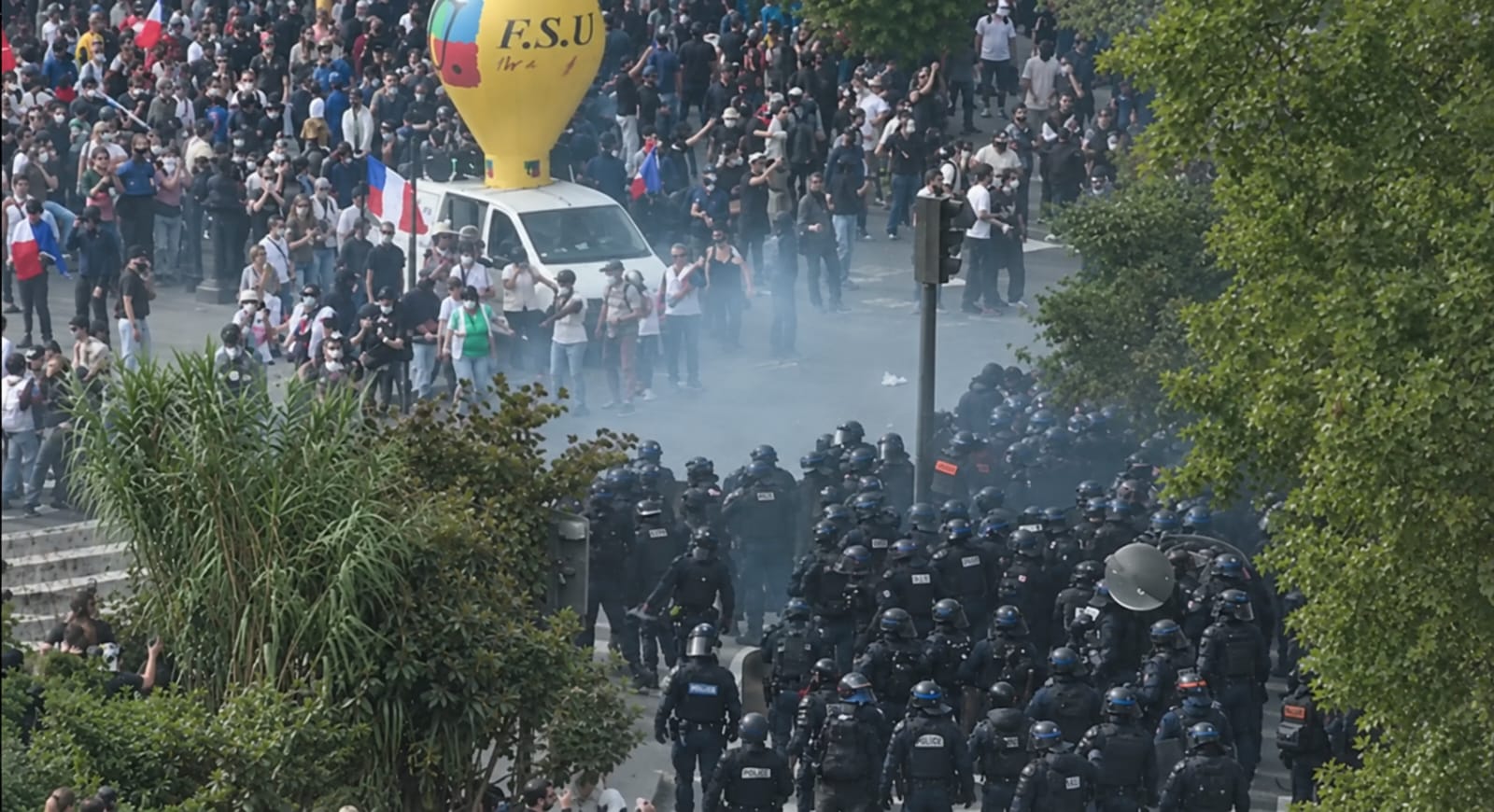
France’s Interior Ministry reported more than 2,300 arrests following Saturday’s demonstrations, while nearly 1,000 police officers and gendarmes were reported injured. Protesters also suffered injuries, including one demonstrator who reportedly lost a hand after a crowd-control grenade exploded.
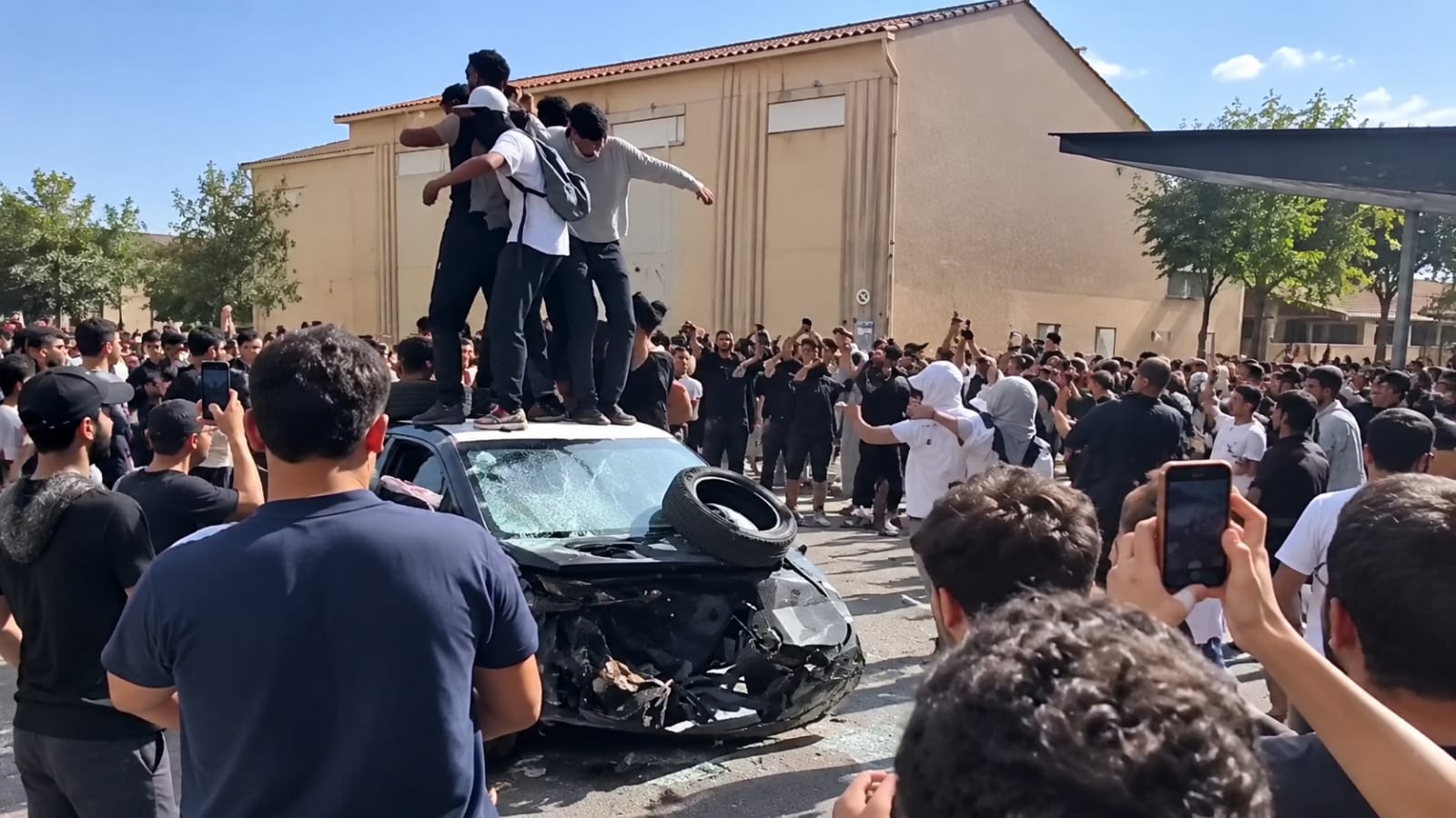
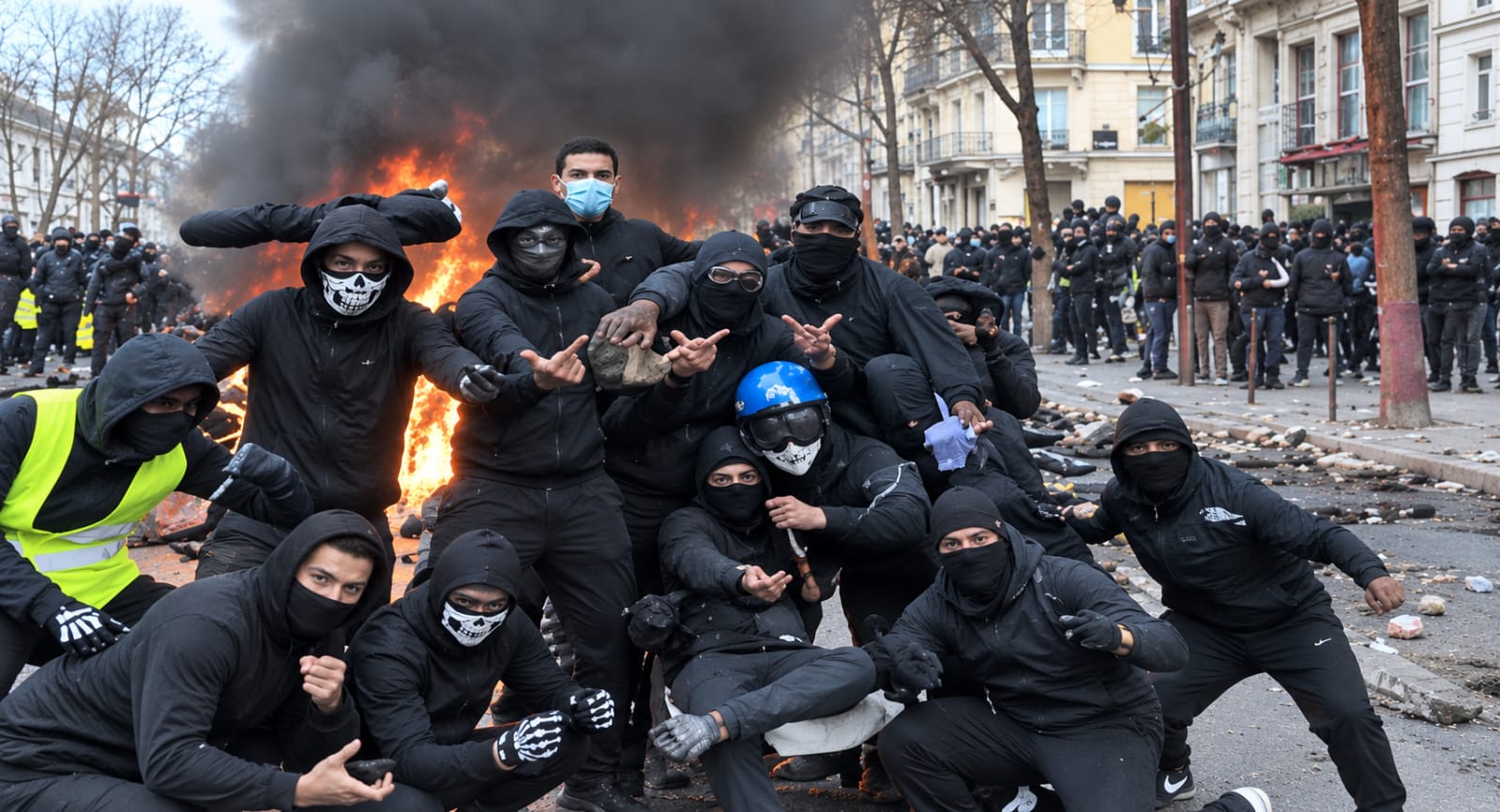
More than 500,000 people reportedly participated in the nationwide protests. Incidents of looting, arson and vandalism affected several cities, with town halls, police stations, shops and other buildings targeted.
Paris Mayor Emmanuel Grégoire said around 30 shops had been targeted in the capital on Sunday.
Education and Economic Concerns Fuel Unrest
The protests followed weeks of student demonstrations over overcrowded classrooms, teacher shortages and insufficient investment in education. Rising living costs and concerns about public services also contributed to the unrest.
The demonstrations were joined by members of the Yellow Vest movement, which previously organized major protests over fuel prices and economic pressures between 2018 and 2020.
Political Pressure Ahead of Presidential Election
The unrest comes about six months before France’s next presidential election, adding pressure on the government as it faces economic difficulties and rising national debt.
The Yellow Vest movement has called for another round of protests on Saturday, raising concerns about further clashes and disruption.
What Happens Next?
French authorities are expected to continue security operations and assess whether additional restrictions are needed. The government also faces growing demands from local leaders for explanations about the preparation and deployment of security forces.
Key Points
- Partial curfews have been announced in several French cities.
- More than 2,300 people were reportedly arrested after the weekend protests.
- President Macron rejected the interior minister’s resignation.
- Demonstrators protested education conditions, rising living costs and public services.
- Further demonstrations have been called for Saturday.
Source: Information attributed to Fyrim and statements from French government officials.